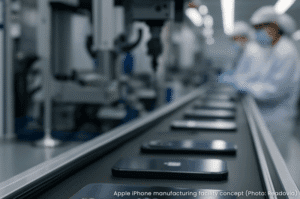



For years, smartphones have been the center of the technology world. New models arrived with better cameras, faster processors, and larger displays, encouraging consumers to upgrade every few years. Today, the spotlight is beginning to shift.
A new generation of laptops is arriving with specialized hardware designed to support artificial intelligence features directly on the device. These systems, often referred to as AI PCs, are equipped with dedicated processors that can handle certain AI tasks without relying entirely on cloud-based services.
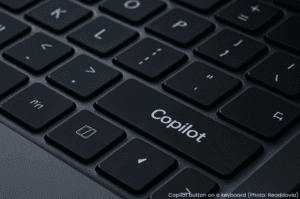
For consumers, the change may not be as obvious as a larger screen or a redesigned keyboard. Instead, AI-enabled laptops are being built to improve everyday tasks such as searching files, organizing information, enhancing video calls, creating content, and managing workflows more efficiently.
The trend comes as many smartphone owners are holding onto their devices longer than in previous years. While modern phones continue to improve, annual upgrades have become less dramatic for many users. At the same time, laptops remain central to how people work, learn, create, and communicate.
Technology companies see AI as the next major evolution in personal computing. By processing some AI functions locally, laptops can offer faster responses, improved privacy, and new capabilities that do not depend entirely on an internet connection.
The shift could also influence how consumers think about their next technology purchase. Rather than replacing a perfectly capable smartphone, some users may find greater value in upgrading the computer they use every day.
As artificial intelligence becomes more deeply integrated into software and productivity tools, the next major leap in personal technology may be happening on desks and kitchen tables rather than in pockets.