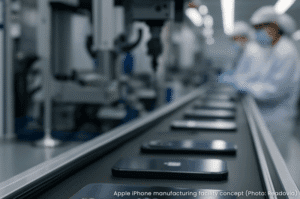


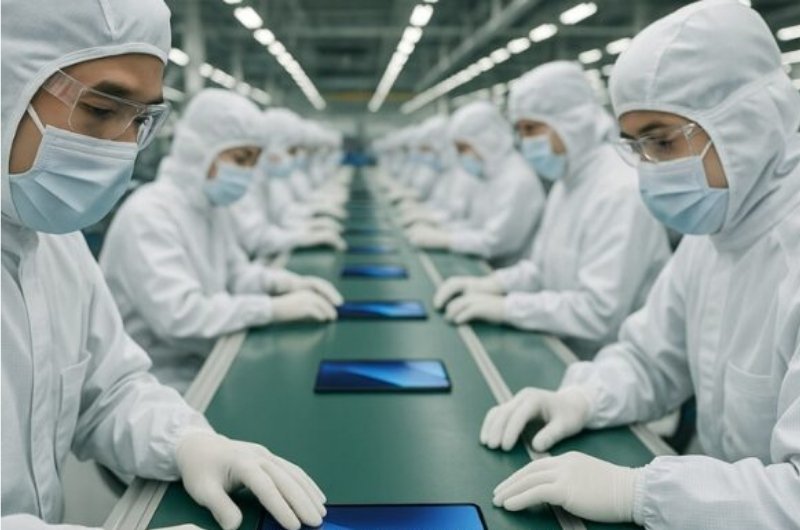
After years of rumors, Apple’s first foldable iPhone appears to be approaching the finish line. Supply-chain reports indicate the device has entered mass production, putting Apple on course to unveil its first folding smartphone as early as September alongside its next generation of premium iPhones.
The device is expected to use a book-style design that opens into a roughly 7.8-inch display, with a smaller 5.5-inch screen on the outside for everyday phone use. Apple has not officially revealed the device or confirmed its specifications, but reports suggest the company has focused heavily on creating a thinner design and minimizing one of the biggest complaints about foldable phones: the visible crease running through the center of the screen.
Those design choices could result in some surprising differences from today’s premium iPhones. The foldable is reportedly expected to use Touch ID built into a side button instead of Face ID, along with two rear cameras rather than the three-camera system found on Apple’s highest-end conventional phones. It is also expected to use a new generation of Apple silicon and a wider interior display designed to make apps, video and multitasking feel closer to using a small tablet.
Then there is the price. Analysts and supply-chain reports have consistently placed Apple’s foldable at the very top of the smartphone market, with estimates starting around $2,000 and some projections considerably higher. That would make it one of Apple’s most expensive consumer devices and could initially position the foldable as a premium showcase rather than a replacement for the standard iPhone.
Apple is arriving late to a category already populated by Samsung, Google, Motorola and several Chinese manufacturers, but that may work in its favor. Foldable phones have become thinner, tougher and considerably more refined since the earliest models appeared. If Apple can deliver the polished hardware and software experience its customers expect, its first foldable could provide the biggest test yet of whether folding phones are ready to move from an expensive niche into the smartphone mainstream.