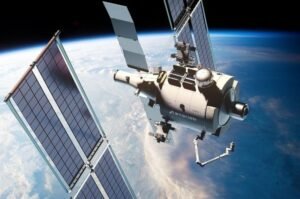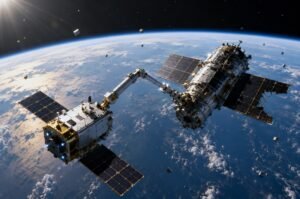


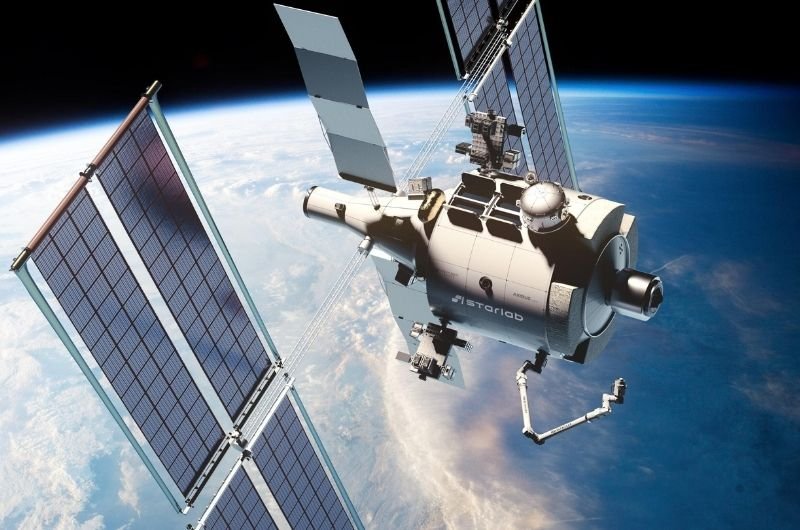
NASA has opened a new competition inviting American companies to develop commercial space stations that could eventually replace the International Space Station as the nation’s primary destination for research and human activity in low Earth orbit. The agency released its final request for proposals on October 9, marking a significant step toward transferring more space operations to private industry.
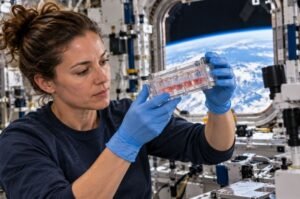
The initiative seeks companies capable of designing, building, testing, certifying, and operating orbital facilities that can support astronauts, scientific experiments, and other activities. NASA plans to become a customer of these privately operated stations, allowing the agency to maintain a presence in low Earth orbit while concentrating more resources on missions to the Moon and Mars.
Companies have until December 8 to submit proposals, with contract awards expected in spring 2027. NASA intends to select at least two contractors for early development work before conducting a further competition for final design, testing, certification, and operational services. The approach is intended to encourage multiple companies to compete while reducing the government’s dependence on a single future station provider.
NASA Administrator Jared Isaacman has emphasized that commercial space stations must be financially sustainable beyond government support. Companies will need to demonstrate credible technical plans and the ability to attract additional customers, potentially including private researchers, commercial manufacturers, and other organizations interested in operating in orbit.
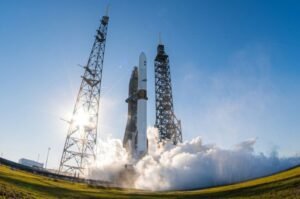
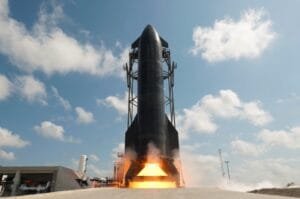
The competition represents an important opportunity for the growing commercial space industry, but significant challenges remain. Building and operating a crewed orbital facility requires substantial investment, reliable transportation, and rigorous safety standards. The success of NASA’s strategy will depend on whether private operators can establish viable businesses while ensuring American astronauts retain access to low Earth orbit after the International Space Station retires.