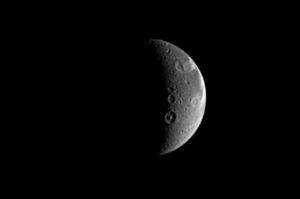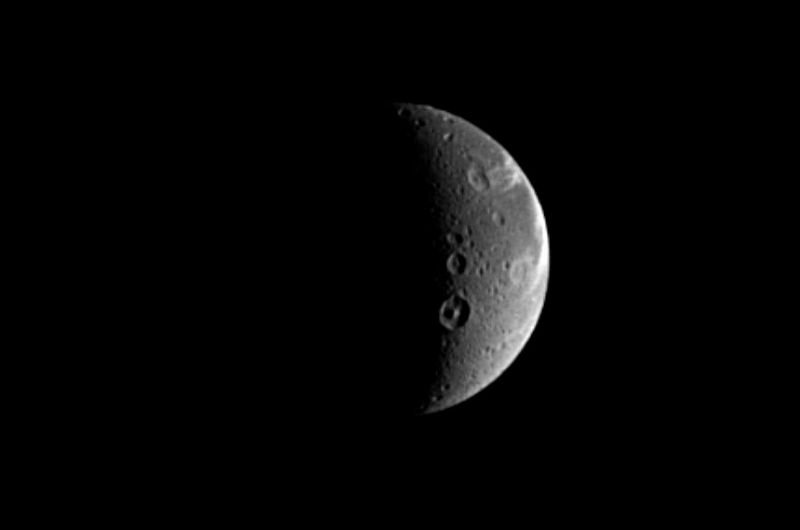
NASA and IBM have released a new artificial intelligence model designed specifically to study the Moon, giving scientists a faster way to map craters, analyze lunar terrain and identify areas where potentially valuable ice may be hidden near the poles.
The open-source NASA-IBM Lunar Foundation Model was trained primarily on data collected during 17 years of observations by NASA’s Lunar Reconnaissance Orbiter. Its training included roughly 2 million lunar image tiles, along with information from NASA’s GRAIL and Lunar Prospector missions and Japan’s SELENE mission.
One of the model’s most significant uses could be finding lunar ice. Permanently shadowed areas near the Moon’s poles can remain cold enough to preserve ice for billions of years, and scientists are particularly interested in those deposits as NASA and other space agencies plan future lunar exploration. Water found on the Moon could eventually support astronauts and potentially provide resources for longer missions deeper into space.
The AI can also identify and map craters and unusual volcanic formations. Crater mapping can help scientists understand the age and history of different areas of the Moon while providing information useful for evaluating terrain, hazards and possible locations for future surface operations. IBM says the model exceeded widely used methods by as much as 23% on some lunar-analysis tasks, while NASA says it matched or surpassed several strong comparison models across the areas evaluated.
NASA and IBM made the model publicly available so scientists around the world can use and adapt it rather than building a specialized AI system from scratch for every lunar research question. It is part of a broader collaboration that has already produced AI models for studying Earth and the Sun.
The Readovia Lens
Humans have collected extraordinary amounts of information about the Moon, but making sense of all that data is becoming a challenge of its own. The NASA-IBM model shows how AI could help turn decades of observations into practical knowledge about terrain, hazards and possible resources as preparations for sustained human exploration of the Moon move forward.