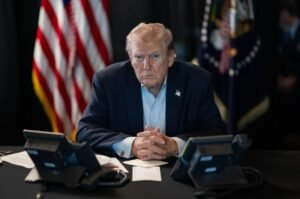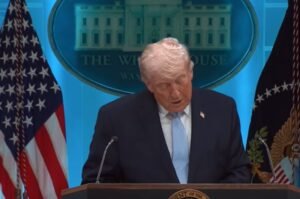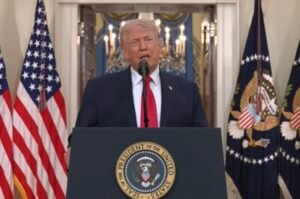


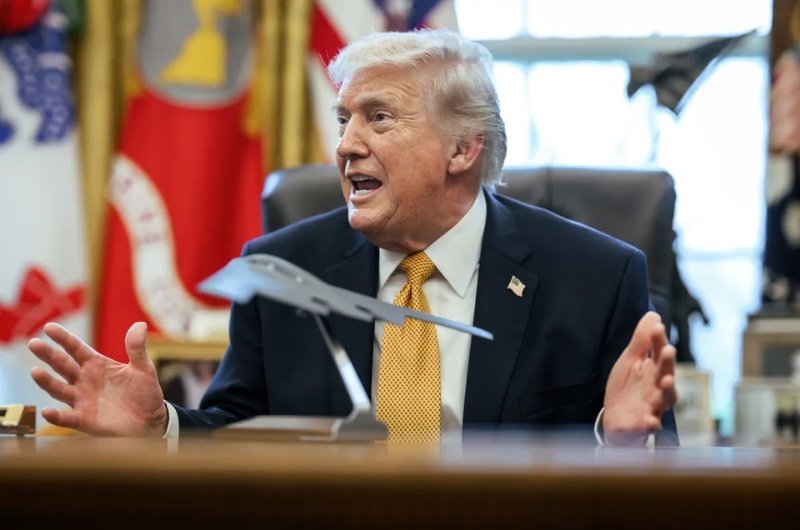
The United States and Iran have moved to the brink of a major escalation, as a 48-hour U.S. ultimatum quickly gave way to a sudden and unexpected pause in military action. President Donald Trump had warned Iran to reopen the Strait of Hormuz or face strikes targeting its power and energy infrastructure. Instead, just hours before the deadline, the White House announced a five-day delay, citing what Trump described as “very good and productive” conversations aimed at de-escalation.
The reversal follows days of intensifying threats on both sides. Iran had responded to the ultimatum with warnings that any attack on its infrastructure would trigger widespread retaliation across the Middle East, including strikes on energy facilities and critical systems in neighboring countries. The Strait of Hormuz, one of the world’s most vital oil corridors, remains heavily restricted, amplifying global economic concerns and raising the stakes of the standoff.
Despite the announcement of “productive” discussions, Iranian officials have publicly denied that any direct talks with the United States have taken place. Instead, Tehran has suggested the delay reflects the seriousness of its counter-threats rather than any diplomatic breakthrough. Regional tensions remain high, with ongoing military activity and continued warnings of broader conflict.
The conflict, now entering its fourth week, has already resulted in significant casualties and widespread instability across the region. Israeli air operations have continued, while Iran has signaled its willingness to expand retaliation, including potential disruptions to water and energy systems across Gulf nations.
For now, the five-day pause offers a narrow window for diplomacy — but with both sides holding firm and the global economy already feeling the impact, the situation remains volatile. What happens next may determine whether this conflict moves toward resolution or escalates into a broader regional crisis.