
The National Security Agency and other U.S. military intelligence and cybersecurity forces are being directed to help protect the nation’s election systems from foreign threats ahead of the Nov. 3 midterm elections.
Defense Secretary Pete Hegseth issued the directive in a Sept. 22 memo that was announced publicly Monday. It calls on defense intelligence agencies to use their resources to identify foreign threats and directs U.S. Cyber Command to prioritize its cyber capabilities to help defend election infrastructure.
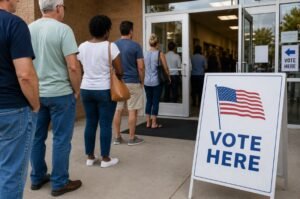
The military’s involvement in election cybersecurity is not new. Federal cybersecurity and intelligence agencies have worked with state and local election officials for years, particularly since election infrastructure was designated critical infrastructure in 2017. State and local governments will continue to administer elections, while federal agencies provide intelligence, cybersecurity assistance and other support.
The new directive comes as the federal government’s civilian election-security operation has undergone major changes. The Cybersecurity and Infrastructure Security Agency, or CISA, released a new election infrastructure security plan last week, but some state election officials say services available during previous election cycles have been reduced or unavailable. Other states say they have continued receiving federal cybersecurity assistance.
Hegseth’s order focuses specifically on foreign threats and directs military intelligence and cyber officials to work with the Department of Homeland Security. With early voting already underway in parts of the country, the expanded emphasis puts some of the federal government’s most powerful intelligence and cyber capabilities behind efforts to identify and counter foreign attempts to disrupt or influence the election.
The Readovia Lens
The important distinction is where the military’s role begins and ends. State and local officials still run America’s elections and count the votes. The NSA and U.S. Cyber Command are being directed to focus their capabilities on foreign cyberattacks, influence operations and other outside threats. With only weeks remaining before Election Day, the effectiveness of that effort will depend heavily on how quickly federal intelligence reaches the state and local officials responsible for protecting election systems.