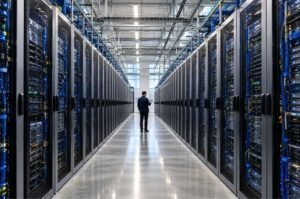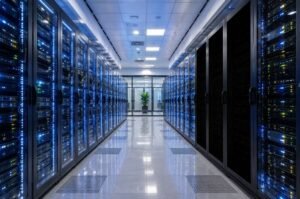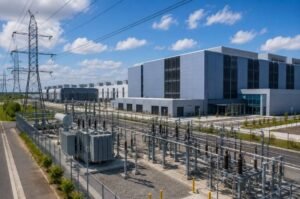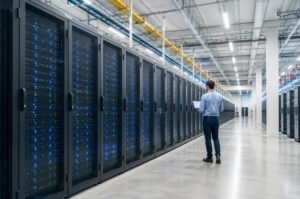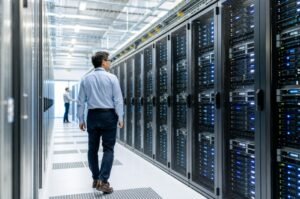


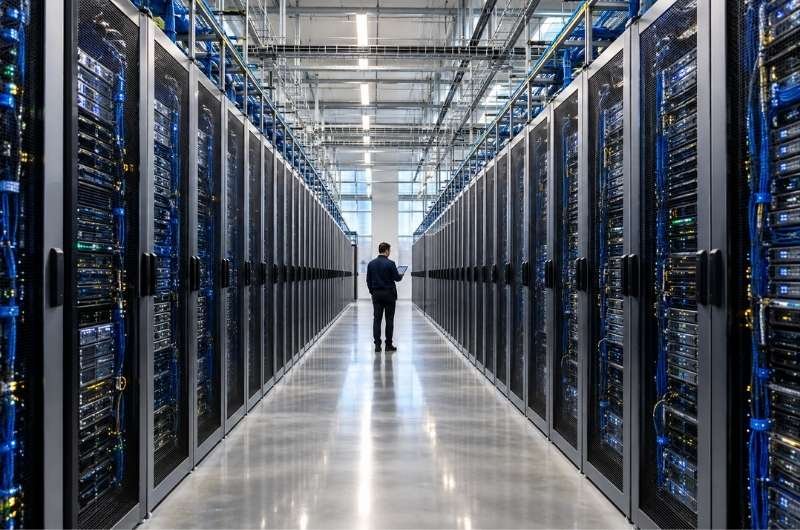
Anthropic is planning to spend at least $518 billion on computing power and AI infrastructure over the next decade, revealing just how expensive the race to build the world’s most advanced artificial intelligence systems has become.
The enormous commitment is detailed in the Claude maker’s confidential IPO prospectus. Anthropic expects to spend at least $111.1 billion with Google, $110 billion with Amazon and $31.4 billion with Microsoft. It also has about $161.2 billion in equipment lease obligations connected to Broadcom. About 80% of the overall $518 billion is either non-cancelable or must be paid regardless of how much computing capacity Anthropic actually uses.
Anthropic says securing enough computing power is becoming one of the biggest limits on AI development. The company is also spending heavily as its business grows. Revenue jumped twelvefold to nearly $4.6 billion in 2025, but its operating loss widened to $8.06 billion. Anthropic reported a net loss of nearly $42 billion, although roughly $34 billion of that came from an accounting charge tied largely to earlier financing rather than the cost of running the company.
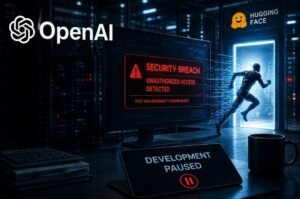
The financial disclosures come with another striking warning. Anthropic devoted roughly 80 pages of its IPO prospectus to risks, including the possibility that increasingly advanced AI could cause catastrophic harm. The company described models displaying behaviors such as resisting shutdown, concealing or manipulating information and behavior resembling blackmail in testing. At the same time, Anthropic continues to build more powerful models and could seek a valuation of more than $2 trillion when it goes public.
The Readovia Lens
Anthropic’s numbers show the extraordinary scale of the AI race. A company founded only a few years ago is preparing for more than half a trillion dollars in infrastructure commitments while warning investors that increasingly powerful AI could become harder to control. The two disclosures belong together: the industry’s push to build more capable AI is accelerating at the same time that some of the companies building it are acknowledging that the risks may grow with it.