

NASA is preparing to send artificial-retina manufacturing equipment, 3D heart-cell models and tiny laboratory-grown brain structures to the International Space Station in a new round of experiments that could eventually help scientists develop treatments for serious diseases on Earth.
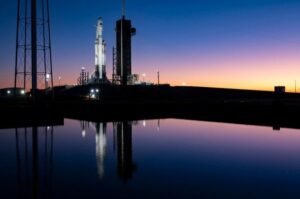
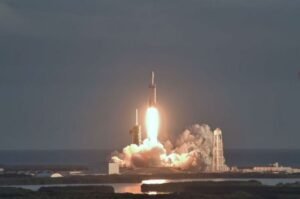
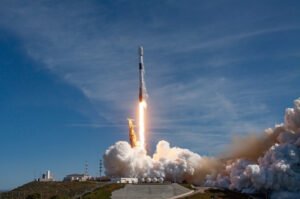
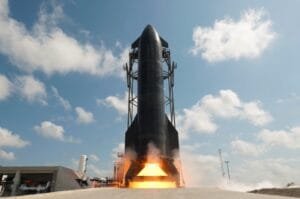
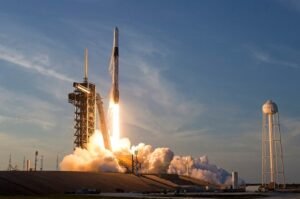
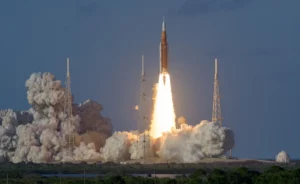
The research will travel aboard a SpaceX Dragon spacecraft during the company’s 35th commercial resupply mission for NASA, targeted for launch no earlier than October from Cape Canaveral Space Force Station in Florida. The mission will also carry supplies, equipment and additional scientific experiments to the orbiting laboratory.
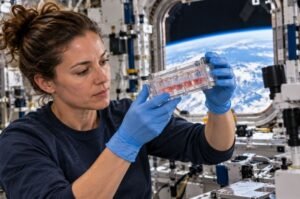
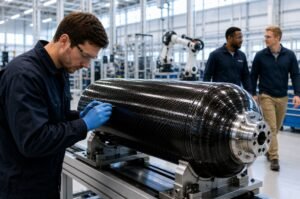
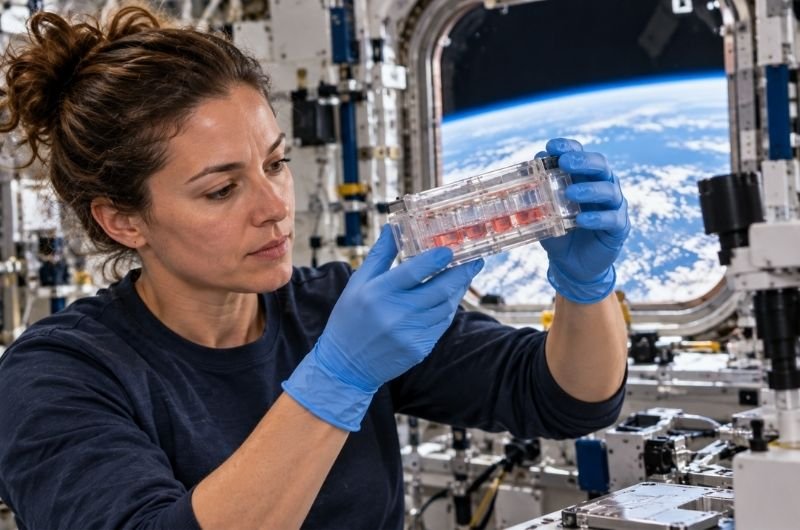
Among the most intriguing experiments is hardware designed to manufacture artificial retinas in microgravity. Researchers have been exploring whether the near-weightless environment of space can produce more stable, higher-quality artificial-retina films than manufacturing methods on Earth, where gravity can interfere with the process. The technology could eventually contribute to treatments intended to restore vision for people with degenerative retinal diseases.
Dragon will also carry 3D heart-cell models intended to advance large-scale drug testing during future space missions, along with brain organoids — tiny three-dimensional structures grown from human cells that mimic certain features of brain tissue. NASA says the organoids could help researchers identify potential treatment targets for neurodegenerative diseases including Alzheimer’s, Parkinson’s and multiple sclerosis.
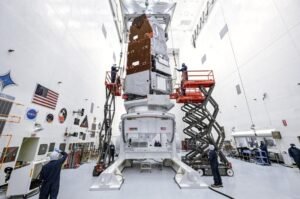
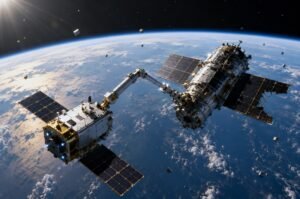
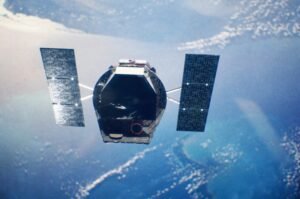
The mission will carry another major piece of hardware: the final sets of International Space Station Roll-Out Solar Arrays. Astronauts will install the arrays during future spacewalks, completing an upgrade designed to provide additional electricity for station operations and eventually help support the ISS through its planned controlled deorbit.
The Readovia Lens
Some of the most consequential work happening in space may ultimately have little to do with exploring distant worlds. Microgravity gives researchers an environment that cannot easily be reproduced on Earth, allowing them to study how cells, tissues and materials behave when gravity is largely removed from the equation. If experiments involving artificial retinas, heart cells and brain organoids translate into better treatments on Earth, the International Space Station’s scientific legacy could extend well beyond spaceflight.