


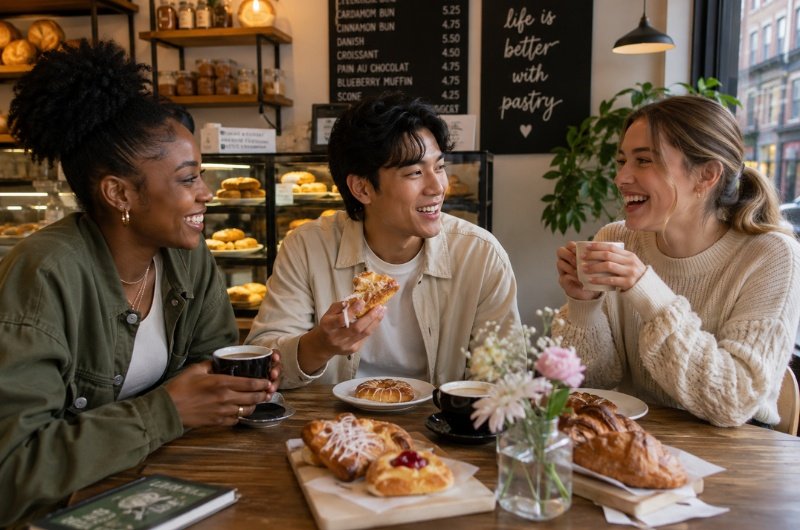
Stopping for a specialty coffee after a difficult day. Picking up a favorite pastry on the way home. Buying a small item simply because it brings a smile. These everyday indulgences have become known as “little treat culture,” a trend that has gained momentum as people look for simple ways to lift their spirits during uncertain times.
Psychologists say the appeal is easy to understand. Small rewards can trigger the release of dopamine, a brain chemical associated with pleasure and motivation. After a demanding day at work or a stressful week, even a modest purchase can create a brief sense of comfort and accomplishment. For many people, these moments are less about the item itself and more about creating a pause in an increasingly busy world.
The challenge comes when occasional rewards become automatic responses to stress. While there’s nothing inherently wrong with enjoying a favorite coffee or dessert, daily habits can quietly become expensive over time. More importantly, relying on purchases as the primary way to feel better may prevent people from discovering other forms of renewal that offer longer-lasting benefits.
Fortunately, many of the most meaningful rewards cost little or nothing at all. Taking a walk through a local park, reading a favorite book, preparing a home-cooked meal, enjoying a hot cup of your favorite tea or cocoa, calling a close friend, spending time with family, or simply unplugging for a quiet evening can provide many of the same emotional benefits while encouraging healthier long-term habits. The goal isn’t to eliminate life’s small pleasures—it’s to make sure they remain intentional rather than automatic.
Perhaps that’s the real lesson behind little treat culture. Everyone deserves moments of joy. But some of the most rewarding experiences aren’t found in a shopping bag or a coffee cup. They’re found in the routines, relationships, and quiet moments that help us recharge long after the receipt has been thrown away.