

While Christmas Day often carries the weight of expectation — family schedules, long drives, crowded homes, and carefully choreographed moments — a quieter holiday tradition is gaining fresh attention in the United States: Second Christmas.
Long celebrated across Europe and observed in some American communities, including Amish households, Second Christmas (traditionally December 26th) offers something rare in modern life: a built-in pause. It’s a day meant for slower gatherings, relaxed meals, casual visits, winter walks, and time with extended friends and family who didn’t fit into the intensity of Christmas Day.
A Softer Follow-Up to a Busy Holiday
Unlike the high-pressure rhythm of December 25th, Second Christmas shifts the focus away from gifts, travel, and time slots — and toward connection. Families who observe it describe it as the “exhale” of the holiday season, a day where no one rushes, the meal is simple, and the goal is to enjoy the moments that didn’t fit into the first celebration.
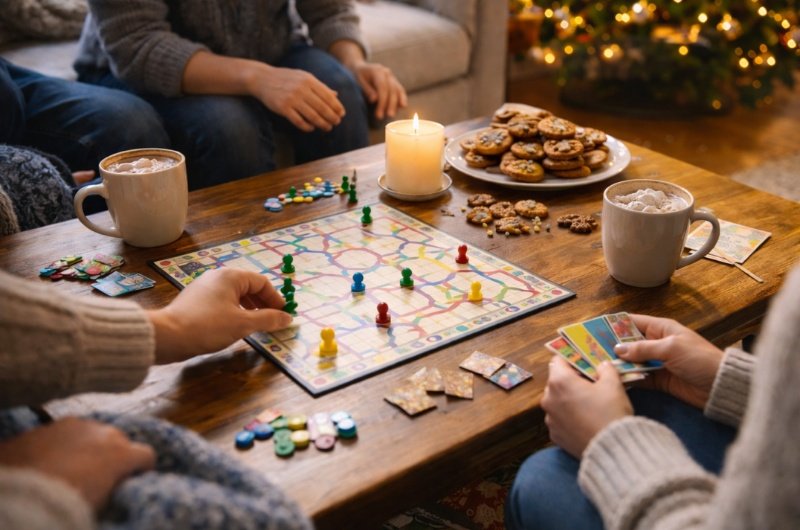
For many, it’s a way to stretch the meaning of Christmas rather than the commercial side of it. Instead of repeating the intensity of the holiday, the day is used for something gentler: leftovers, card games, calling old friends, or hosting another round of family who couldn’t make the main event.
A Tradition Rooted in History
Second Christmas has deep cultural roots. In countries such as Germany, the Netherlands, and the Nordic region, the “Second Day of Christmas” is a national holiday built into the calendar. In the U.K., it aligns with Boxing Day, and in parts of the Christian world, it coincides with St. Stephen’s Day.
While practices differ, the central idea is the same: one day isn’t enough to fully celebrate or fully rest.
Why It’s Resonating in America Today
Modern family life is more complex than ever — blended households, long-distance relatives, competing schedules, and the rise of remote work have all stretched the traditional holiday calendar. Second Christmas is emerging as a natural solution.
Instead of packing every obligation into a single 24-hour window, families are spreading the holiday over two days, making room for:
-
Multiple households
-
Easier travel
-
Reduced stress
-
More meaningful time with loved ones
-
Less pressure on Christmas Day itself
For some, it simply means waking up on the 26th with nowhere they have to be — a rare gift in itself.
A Tradition Finding New Momentum
Whether celebrated formally or improvised out of necessity, Second Christmas offers something undeniably modern: permission to slow down. At a time when the holidays can feel busy, loud, and overstuffed, the idea of an intentional, peaceful follow-up day is resonating with more families each year.
In a world that rarely pauses, Second Christmas is becoming a small but meaningful way to reclaim a bit of rest — and a bit of joy — before the year ends.