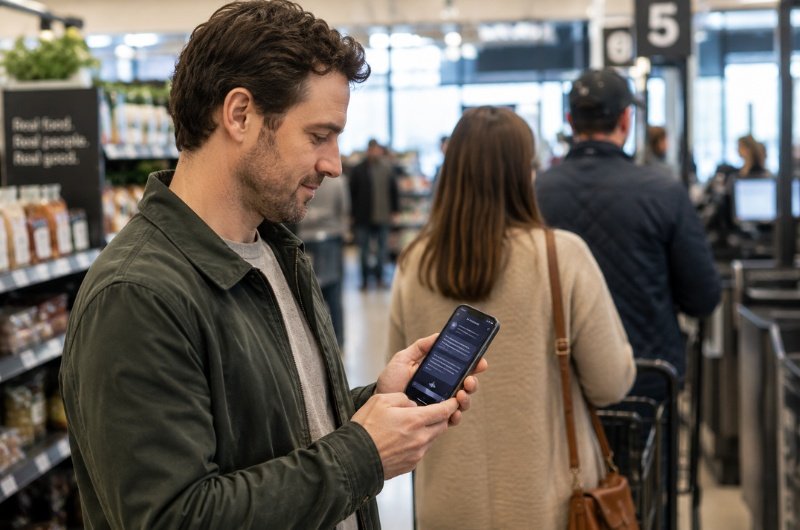
For a growing number of people, talking to artificial intelligence is becoming part of everyday life — not in a futuristic way, but in the quiet routines of work, planning, problem-solving, and daily conversation.
People are increasingly using conversational AI to organize schedules, brainstorm ideas, refine messages, prepare for meetings, and even rehearse difficult conversations. What once felt experimental is starting to feel ordinary, especially as digital tools become more conversational, responsive, and integrated into daily routines.
Part of the shift may be tied to convenience. Unlike traditional search engines or apps, conversational platforms allow people to interact naturally, asking follow-up questions and receiving responses in real time. That ease of interaction is subtly changing how many people approach productivity, communication, and decision-making throughout the day.
The trend also reflects a broader shift in how modern life is being shaped by technology that feels less mechanical and more interactive. For some users, conversational AI functions almost like a digital sounding board — available instantly for brainstorming, organization, recommendations, or guidance without the friction of navigating multiple tools or platforms.
Researchers continue studying how increased interaction with conversational technology could affect communication habits over time. But one thing is already becoming clear: as these tools become more embedded in everyday routines, the relationship between people and technology is evolving into something more continuous, conversational, and deeply woven into modern life.