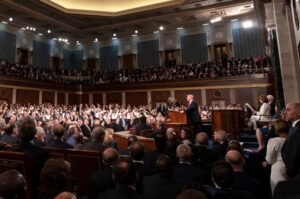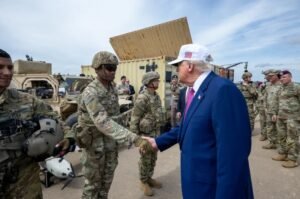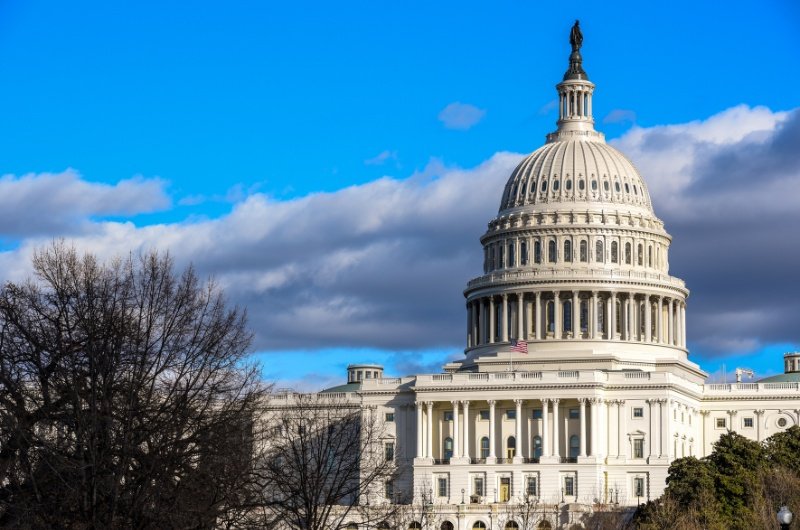
As the military conflict between the United States, Israel, and Iran intensifies, Congress is preparing for a pivotal vote that could redefine who controls America’s path to war. The U.S. Senate is set to vote Wednesday on a bipartisan war powers resolution requiring congressional approval for continued military action against Iran, with the House expected to follow Thursday.
The measure, led by Senator Tim Kaine and supported by several Democrats and a small group of Republicans, is designed to reassert Congress’s constitutional authority over decisions of war and peace. Critics argue the recent air campaign against Iran, launched without explicit congressional authorization, raises fundamental questions about the balance of power between the White House and Capitol Hill.
Supporters of the resolution say the United States risks sliding into a broader Middle East conflict without a clear debate or vote by the nation’s elected representatives. Opponents, including many Republican leaders, warn that restricting presidential authority during an active military confrontation could weaken U.S. strategy and signal division to adversaries.
Even if the resolution passes Congress, its future remains uncertain. President Donald Trump is expected to veto any measure that limits his authority to continue military operations, meaning lawmakers would need a two-thirds majority to override the veto — a difficult political hurdle.
The vote revives a long-running constitutional debate over war powers in Washington. As tensions with Iran continue to escalate, lawmakers are once again confronting a central question: who ultimately decides when America goes to war.