
Vice President JD Vance told Fox News on November 16 that Americans did not need to stock up on food and water in anticipation of a major crisis, despite a longstanding federal emergency preparedness guidelines encourage households to maintain essential supplies. His remarks came during a discussion about recent technology disruptions and concerns over whether Americans should prepare for a broader emergency.
During the interview, Fox News host Laura Ingraham asked whether Americans should prepare for emergencies following recent technology disruptions and reports that European governments were encouraging residents to stock up on supplies. Vance described questions he had received from friends: “Should we be preparing to build a bunker or to stock up on food and water? And my answer to that is no.” He added that the administration did not anticipate an imminent crisis but emphasized the importance of being prepared for unexpected events.
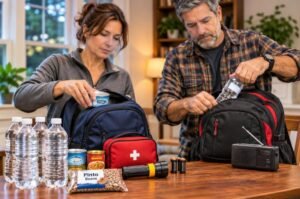
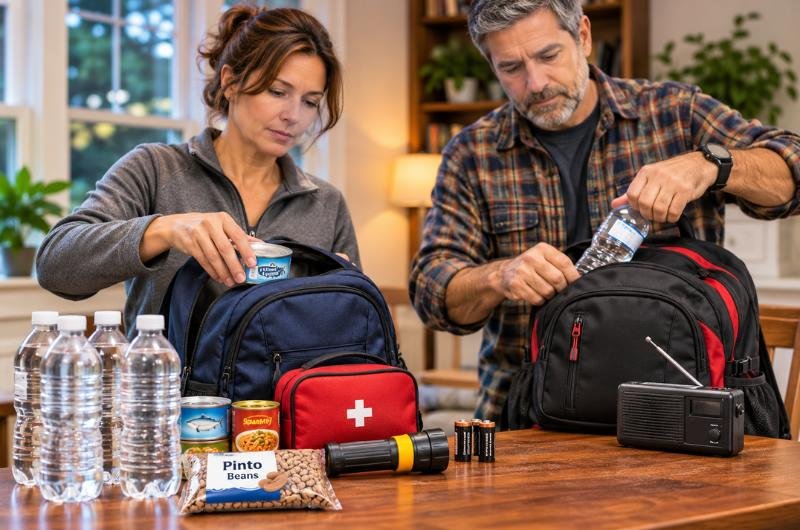
The Department of Homeland Security’s Ready campaign, launched in February 2003, has encouraged Americans for more than two decades to prepare for emergencies. Through Ready.gov, the Federal Emergency Management Agency (FEMA) recommends keeping at least three days of nonperishable food and drinking water, including one gallon of water per person per day, along with medications, flashlights, batteries and other necessities. The recommendations are intended to help households manage natural disasters, extended power outages and other unexpected disruptions.
Readovia addressed household emergency preparedness in May 2025, following the massive power outages that disrupted Spain and Portugal. In our article, Surviving the Next Blackout: How to Prepare for Power Outages Before They Strike, we encouraged readers to maintain three days of essential supplies, including drinking water, nonperishable food, medications and backup communications equipment.
While Vance’s comments addressed concerns about a looming national crisis rather than a formal change in emergency preparedness policy, the government’s published recommendations remain unchanged. Maintaining basic household supplies does not require expensive survival equipment or extraordinary stockpiling. It is a practical precaution designed to help Americans navigate emergencies that can occur with little or no warning.
The Readovia Lens
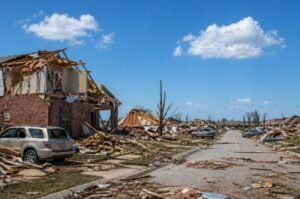
The federal government’s longstanding advice to prepare for emergencies serves a purpose that goes beyond warnings of an imminent crisis. Hurricanes, power outages, severe storms and other disruptions rarely arrive on a convenient schedule. While reassurance from national leaders may ease concerns about an immediate threat, keeping food, water and other essentials on hand remains a sensible precaution. Being prepared doesn’t mean expecting the worst. It means being ready if the unexpected happens.