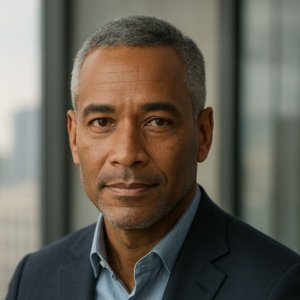



The Trump administration has once again turned to the U.S. Army secretary, Dan Driscol, to play a central role in diplomatic efforts aimed at ending the war between Russia and Ukraine. The move places a senior military official back at the negotiating table as talks continue over the future of the nearly four-year conflict.
President Donald Trump has increasingly relied on a small circle of trusted officials to represent U.S. interests in discussions involving Moscow and Kyiv. The Army secretary’s renewed involvement signals an approach that blends military perspective with diplomatic engagement as negotiations remain complex and unresolved.
An Unconventional Diplomatic Role
The position of Army secretary is traditionally focused on overseeing the administration, readiness, and operations of the U.S. Army. Direct participation in international peace negotiations is rare, making the role notable as talks continue to address some of the most difficult issues surrounding the war.
The secretary has previously participated in negotiations related to the conflict, and this latest involvement suggests continuity in the administration’s strategy as discussions move forward. The talks are expected to focus on long-standing points of contention, including territorial control, security guarantees, and conditions for a potential ceasefire.
High-Level Talks Continue
Current negotiations are taking place alongside other senior U.S. envoys, as well as Russian and Ukrainian representatives. While details of the discussions have been closely held, the renewed participation of the Army secretary underscores the administration’s effort to maintain pressure for progress while keeping military considerations closely aligned with diplomatic objectives.
Officials familiar with the talks have indicated that the discussions remain challenging, with both sides holding firm positions on key issues. Any potential breakthrough is expected to require further negotiation and sustained engagement.
What Comes Next
Despite continued dialogue, a comprehensive agreement has yet to emerge. Observers note that the path forward will likely involve incremental steps rather than a single sweeping resolution, as negotiators work to narrow gaps on security, sovereignty, and enforcement mechanisms.
For now, the Army secretary’s return to the negotiating role reflects the administration’s ongoing attempt to balance diplomacy and defense expertise as the war enters another critical phase.