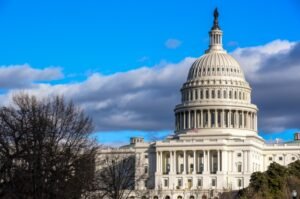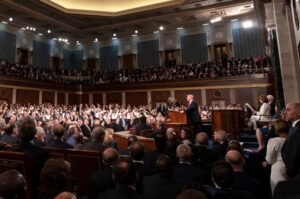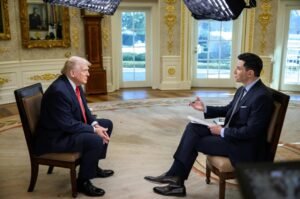

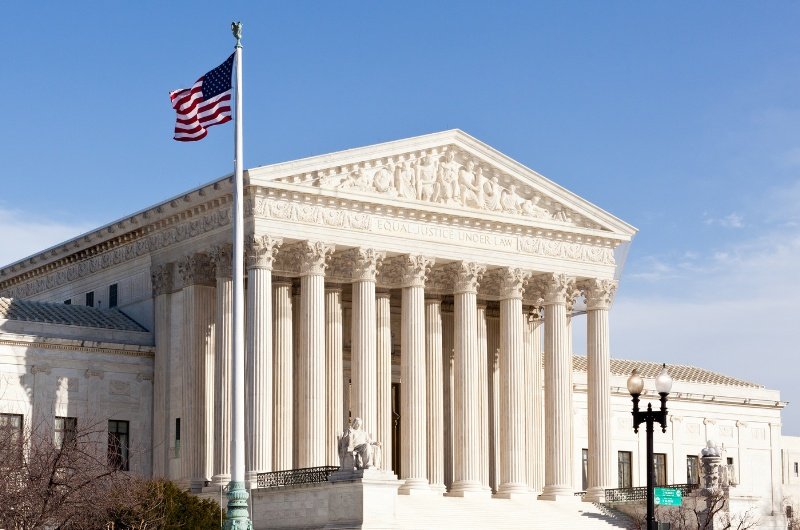
The U.S. Supreme Court is reviewing a major case that could reshape how much authority future presidents have. The case, Trump v. Slaughter, was argued on Monday, December 8, and has drawn national attention as the Court considers how far federal agencies can go when carrying out presidential directives.
The dispute began when several states and private groups challenged agency actions they say stretched beyond what the law allows. They argue that presidents have leaned too heavily on executive agencies to push policies without clear approval from Congress.
Supporters of the current system say presidents need flexibility, especially during emergencies when the government must act quickly. They warned that tightening agency powers too much could slow the country’s ability to respond to crises ranging from natural disasters to national-security threats.
During Monday’s arguments, the justices questioned both sides on how a ruling might affect future administrations. While the Court has recently shown interest in narrowing agency authority, the tone of the questioning offered no clear indication of the final outcome.
A decision is expected sometime next year. Legal experts say the ruling could have a long-lasting impact on how presidents govern and how federal agencies carry out national policy in the years ahead.