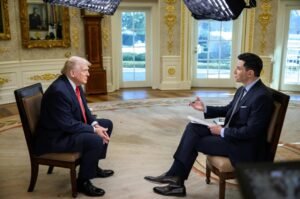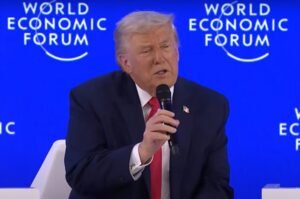
President Trump’s push to assert U.S. control over Greenland is facing rare resistance from within his own party, as several Republican leaders publicly criticize the strategy and warn of long-term consequences for U.S. alliances.
Prominent Republicans have expressed concern that threatening tariffs — and floating more aggressive measures — against NATO allies could fracture relationships that have anchored U.S. foreign policy for decades. Some lawmakers described the approach as risky, arguing it underscores the need for diplomacy rather than economic or political pressure.
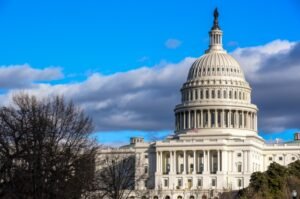
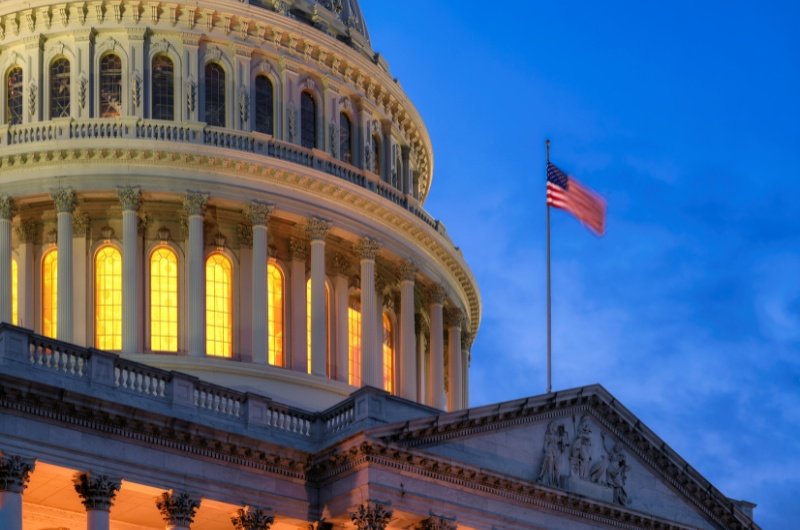
Several GOP figures emphasized that Greenland’s future cannot be dictated unilaterally and cautioned that escalating tensions with European partners could weaken NATO’s collective strength. Others pointed to Congress’s constitutional role in foreign policy and defense matters, signaling limits to executive authority.
Behind the scenes, congressional leaders are reportedly working to reassure European counterparts that the United States remains committed to cooperation and alliance stability, even as the White House escalates its rhetoric.
The internal pushback marks one of the clearest foreign-policy splits within the Republican Party in recent years and reflects broader unease about the direction of U.S. engagement with long-standing allies.