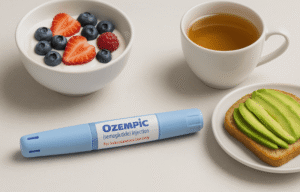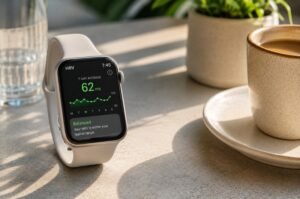


Americans are investing heavily in feeling healthier, sleeping better, and living longer, helping turn wellness into a U.S. market worth more than $700 billion. But a new report from McKinsey & Company suggests that consumers are becoming more demanding about what they receive in return. Released November 3, the research shows a growing appetite for everything from fitness and nutrition products to wearable health trackers, personalized testing, and services promising better physical and emotional well-being.
The study surveyed more than 10,000 consumers across the United States, United Kingdom, Germany, and China. Two-thirds of American respondents said they were placing greater importance on wellness than they had a year earlier. That enthusiasm is reshaping store shelves, too. Through September 2026, approximately one-third of new U.S. consumer packaged goods in the categories examined carried wellness-related claims, compared with 24% in 2021. Products promising improvements in sleep, digestion, energy, and other areas are becoming increasingly common.
Technology is also changing how people make health decisions. More than half of surveyed consumers reported using artificial intelligence for wellness-related purposes, including researching products, planning meals, and understanding health information. Yet confidence in the technology remains limited. Forty percent of U.S. respondents expressed concern that AI-generated health advice could be inaccurate. When choosing wellness products, Americans were considerably more likely to be influenced by friends, family members, or healthcare professionals than by AI chatbots.
Despite the industry’s rapid expansion, consumers aren’t necessarily finding everything they need. Approximately 40% of respondents worldwide said existing wellness offerings fall short in areas such as healthy aging, mental health, and mobility. The report also points to rising interest in recovery practices, at-home diagnostics, and personal health tracking. For consumers navigating this increasingly crowded marketplace, the challenge is separating products supported by credible evidence from those relying primarily on attractive packaging and ambitious promises. Before investing in expensive treatments, supplements, or testing services, it is worth examining the evidence, possible risks, and whether the product addresses a genuine health need.
The Readovia Lens
The growing wellness industry reflects something positive: more Americans want to take an active role in protecting their health. But spending more money doesn’t automatically mean achieving better results. A premium subscription, sophisticated wearable device, or fashionable supplement may offer benefits for some people, but none should replace reliable medical guidance or proven healthy habits. As wellness companies compete for consumer attention, transparency, credible research, and meaningful results deserve to carry more weight than marketing claims. The smartest wellness investment may begin with knowing which promises are actually worth believing.