Researchers studying CLCF1 found an association between lower levels of the protein and aging. Human experiments also showed increases in CLCF1 following resistance training, providing evidence that exercise can influence this signaling pathway.
The strongest evidence for CLCF1’s effects on muscle and bone, however, comes from animal research. In aged mice, researchers found that administering CLCF1 improved measures of physical performance and bone health. Blocking CLCF1 also reduced some of the benefits associated with exercise, suggesting that the protein may be one of the biological mechanisms through which physical activity supports the aging body.
Those findings are promising, but they don’t yet establish CLCF1 as an anti-aging treatment in humans. Larger human studies will be needed to determine exactly how important the protein is and whether it could eventually have therapeutic applications.
The Bigger Picture
The research adds to a growing understanding that skeletal muscle does far more than help us move. Active muscle releases signaling molecules — often called myokines — that can communicate with other tissues throughout the body.
That makes resistance training particularly interesting as scientists study healthy aging. Maintaining muscle strength becomes increasingly important later in life, while weight-bearing activity can also help support bone health and physical independence.
CLCF1 may eventually provide scientists with another piece of the puzzle explaining why those benefits occur.
Supporting CLCF1 Through Exercise
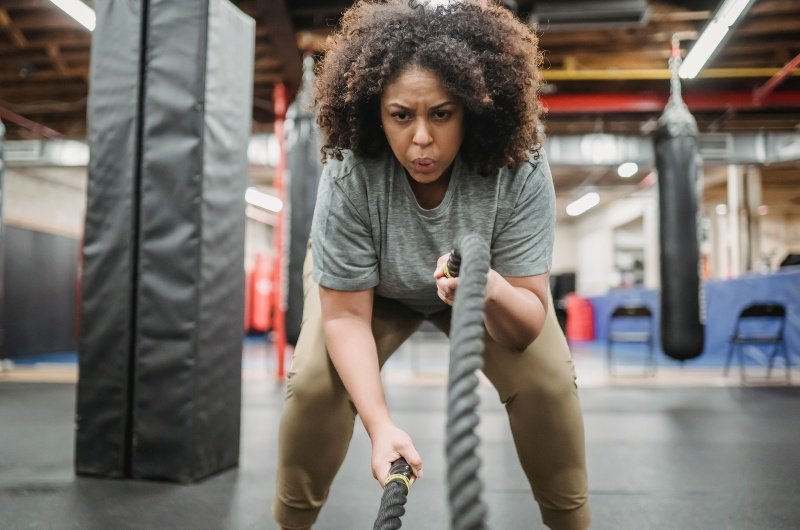
For now, there is no special “CLCF1 workout,” and researchers have not established an exercise prescription specifically designed to maximize the protein. The human findings do, however, strengthen the case for resistance training as part of a healthy-aging routine.
- Prioritize resistance training. Weight training, resistance bands and appropriately performed body-weight exercises can help preserve strength and muscle as we age.
- Be consistent. Long-term exercise habits matter more for overall health than occasional intense workouts.
- Include weight-bearing movement. Activities that safely place demands on the muscles and bones can help maintain physical function.
- Progress gradually. Increasing resistance or difficulty over time can help the body continue adapting.
- Allow time for recovery. Adequate nutrition, protein and rest support muscle repair and adaptation following exercise.
The Takeaway
CLCF1 is an intriguing new piece of the healthy-aging puzzle. Early research suggests that the protein responds to resistance exercise and may be involved in protecting muscle and bone, but scientists are still determining exactly how significant that role is in humans.
What doesn’t require waiting for the next study is the broader lesson. Resistance training is already supported by extensive evidence as an important tool for preserving strength, mobility and physical function with age.
The discovery of CLCF1 may eventually help explain some of the biology behind those benefits — another reminder that when muscles work, they may be doing considerably more for the body than we can see.