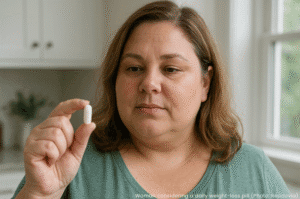
Bone loss often begins years before people notice any symptoms, making it easy to overlook until a routine screening or unexpected fracture reveals a problem. Health experts say many adults develop osteopenia—a condition marked by lower-than-normal bone density—before osteoporosis ever occurs.
While osteoporosis is widely recognized, osteopenia receives far less attention despite affecting millions of adults. The condition weakens bones gradually and can increase the risk of fractures if bone loss continues over time. Recent research is drawing renewed attention to the importance of identifying bone loss early, when lifestyle changes may have the greatest impact.
Who Is Most at Risk?
Bone density naturally declines with age, but several factors can increase the likelihood of developing osteopenia earlier in life.
Women, particularly after menopause, face a higher risk because declining estrogen levels can accelerate bone loss. Older adults, people with a family history of osteoporosis, smokers, and individuals with low calcium or vitamin D intake may also be more vulnerable.
Certain medical conditions and medications can further increase the risk, making regular conversations with a healthcare provider an important part of long-term bone health.
Small Changes Can Make a Difference
Experts say healthy habits can play an important role in supporting bone strength.
Weight-bearing activities such as walking, hiking, dancing, and strength training help stimulate bone growth, while adequate calcium, vitamin D, and a balanced diet provide important building blocks for healthy bones. Avoiding tobacco and limiting excessive alcohol consumption may also help protect bone health over time.
For people with additional risk factors, a bone density screening may help identify changes before osteoporosis develops.
Looking Ahead
Bone loss is often described as a silent condition because it typically progresses without obvious symptoms. The good news is that awareness continues to grow, giving more people the opportunity to take action before significant bone loss occurs.
Understanding the risk factors, staying physically active, and discussing bone health with a healthcare professional can all play a role in maintaining stronger bones and supporting long-term health.