

A growing number of people are focusing on “neurowellness” in 2026 as stress, burnout, and digital overload continue to shape daily life. What was once a niche wellness concept is moving into the mainstream, with more attention on habits designed to help the body shift out of constant fight-or-flight mode, including naps, breathwork, walking, and calmer daily routines.
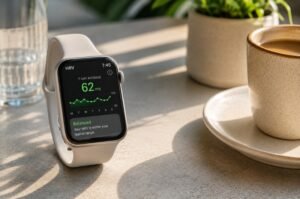
The trend includes both simple routines and higher-tech tools. Breathwork, walking, yoga, better sleep habits, and mindfulness practices remain popular, while interest is also rising in wearables and recovery devices aimed at relaxation and resilience.
Health experts increasingly point to chronic stress as more than a mental burden. It can affect sleep, focus, mood, energy, and long-term physical health. That has helped make nervous system regulation one of the more practical wellness conversations of the moment.
The Takeaway
For readers, the takeaway may be refreshingly simple: wellness does not always have to mean extreme routines or expensive upgrades. Sometimes it starts with calmer mornings, less screen time, deeper breathing, and giving the body a chance to decompress and recover.