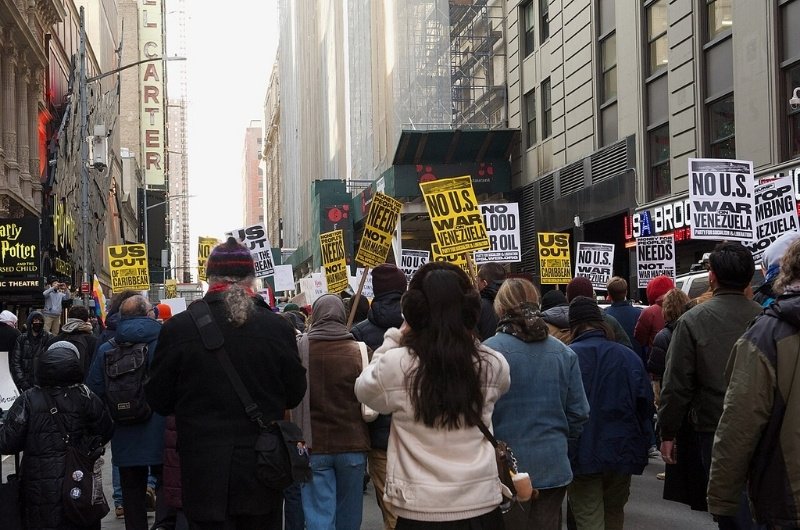
For more than half a decade, U.S. authorities have pursued Nicolás Maduro, accusing Venezuela’s long-time leader of using the power of the state to facilitate drug trafficking, corruption, and violence. What once appeared to be a distant standoff between Washington and Caracas has now moved squarely into the U.S. legal system, marking a rare and consequential escalation in international accountability.
At the center of the case are allegations that Maduro oversaw and protected a sprawling drug-trafficking operation while in office. U.S. prosecutors say he relied on elements of the Venezuelan government and military to enable cocaine shipments bound for the United States, while using intimidation and corruption to maintain control at home. The charges include conspiracy to commit narco-terrorism, large-scale drug trafficking, and weapons-related offenses tied to organized criminal groups.
The U.S. pursuit of Maduro became public in 2020, when federal authorities unsealed an indictment and announced a reward of up to $50 million for information leading to his arrest. Prosecutors accused him of leading the so-called Cartel of the Suns, a network allegedly embedded within Venezuela’s military structure and designed to shield drug shipments from interception.
Now in U.S. custody, Maduro has rejected the accusations and challenged the legitimacy of the case itself. He told the court that he was taken by force and brought to the United States, calling the operation a violation of international law. He has also insisted that he remains Venezuela’s legitimate president, a position his legal team is expected to use in challenging U.S. jurisdiction and the circumstances of his detention.
What comes next will test both legal precedent and geopolitical boundaries. The case moves into pretrial proceedings as courts weigh claims of sovereignty against allegations of transnational crime, all under intense international scrutiny. However the legal process unfolds, the prosecution of a former foreign leader inside a U.S. courtroom signals a clear message: allegations of state-backed criminal activity may no longer remain beyond the reach of American courts.
——————–
Related:
Maduro Pleads Not Guilty in New York Court to Narco-Terrorism and Drug Trafficking Charges