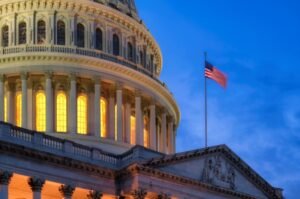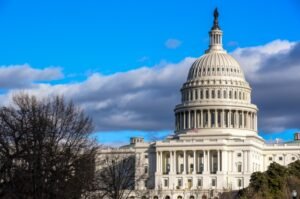
As Washington settles into the rhythm of 2026, the gap between policy priorities and unresolved issues is becoming clearer. While lawmakers continue to focus on high-visibility topics, several long-standing challenges remain stalled, quietly pushed further down the agenda as political attention shifts elsewhere.
Economic pressures, healthcare affordability, and housing access continue to dominate public concern, yet progress on comprehensive solutions has been uneven. Lawmakers have advanced targeted measures and short-term extensions, but broader reforms remain entangled in negotiations, budget constraints, and competing legislative timelines.
Behind the scenes, aides and analysts say much of Congress’s energy is being directed toward managing existing programs and preventing disruptions rather than advancing sweeping new initiatives. That approach has helped maintain stability in some areas, but it has also slowed momentum on issues that require structural change.
The result is a policy environment defined less by decisive breakthroughs and more by incremental movement. While some priorities advance in pieces, others linger in committee discussions or await future compromise, leaving uncertainty about when — or if — they will resurface in a meaningful way.
As the year unfolds, the political test may not be which proposals dominate headlines, but which delayed issues lawmakers ultimately choose to confront once the immediate pressures ease.