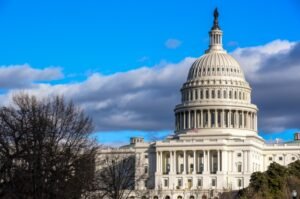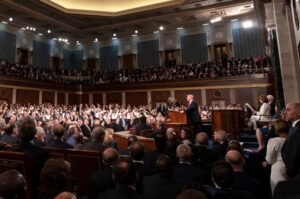


In a rare bipartisan move, the U.S. Senate voted Thursday to advance a war powers resolution aimed at limiting Donald Trump’s ability to take military action against Venezuela without explicit congressional approval.
Five Republican senators broke with party leadership to join Democrats in allowing the measure to move forward, signaling growing unease on Capitol Hill over executive authority in matters of war. The resolution would require the president to seek authorization from Congress before engaging U.S. forces in hostilities involving Venezuela, except in cases of imminent threat.
Supporters of the measure argue that the Constitution clearly assigns Congress the power to declare war, and that recent actions toward Venezuela risk drawing the United States into a broader conflict without sufficient debate or oversight. They say the vote reflects concern not only about Venezuela specifically, but about preserving the balance of power between the legislative and executive branches.
The White House has pushed back forcefully, warning that the resolution could weaken the president’s ability to respond quickly to international threats and undermine U.S. credibility abroad. Administration allies argue that flexibility is essential when dealing with unstable regimes and rapidly evolving security situations.
While the resolution faces an uncertain path ahead — including the likelihood of a presidential veto — Thursday’s vote marks a notable moment of bipartisan resistance. It underscores rising tension between Congress and the executive branch as lawmakers reassert their role in shaping U.S. military engagement and foreign policy decisions.