


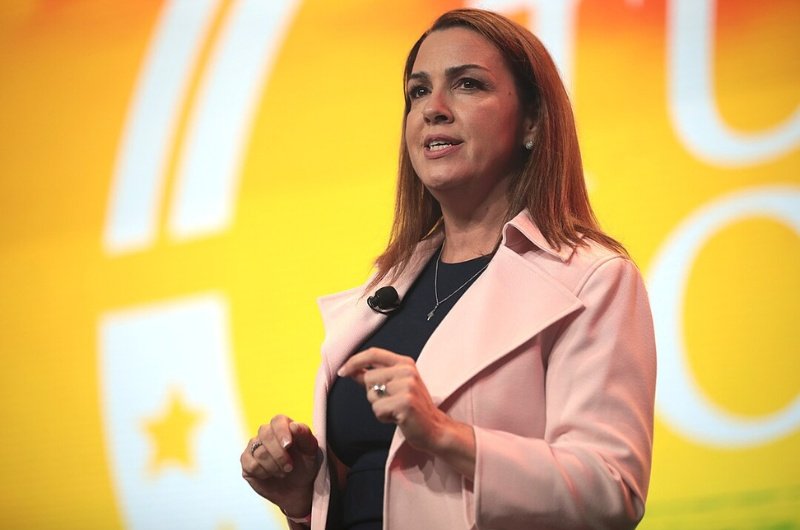
Sara Carter has been confirmed by the U.S. Senate as Director of the Office of National Drug Control Policy, placing her at the helm of the federal government’s efforts to combat drug trafficking, addiction, and overdose nationwide. Her confirmation marks a historic milestone, as Carter becomes the first woman to lead the nation’s drug control policy.
The Senate vote was closely divided, underscoring the political sensitivities surrounding drug enforcement, public health strategy, and border security. Carter was nominated by President Trump and now assumes responsibility for coordinating federal drug policy across multiple agencies, including prevention, treatment, law enforcement, and international cooperation.
In remarks following her confirmation, Carter emphasized a commitment to protecting American families and communities from the harms of illicit drugs. She signaled a dual focus on holding traffickers accountable while also supporting prevention and recovery efforts aimed at reducing addiction and overdose deaths.
Carter brings a nontraditional background to the role, having built her career as an investigative journalist covering cartel activity, drug trafficking routes, and organized crime, particularly along the U.S.–Mexico border. Supporters argue that her field experience provides firsthand insight into the networks driving the drug trade, while critics have questioned how that background will translate into managing a large federal policy operation.
The Office of National Drug Control Policy plays a central role in shaping the federal government’s response to drug-related challenges, including coordination between domestic agencies and international partners. The director’s influence can extend across public health initiatives, criminal enforcement priorities, and diplomatic efforts aimed at disrupting trafficking organizations.
Carter takes office at a time when the United States continues to grapple with fentanyl-related overdoses, cartel-driven drug flows, and ongoing debates over how best to balance enforcement with treatment. Her leadership will be closely watched as the administration moves to define its approach to one of the country’s most persistent and complex policy challenges.