

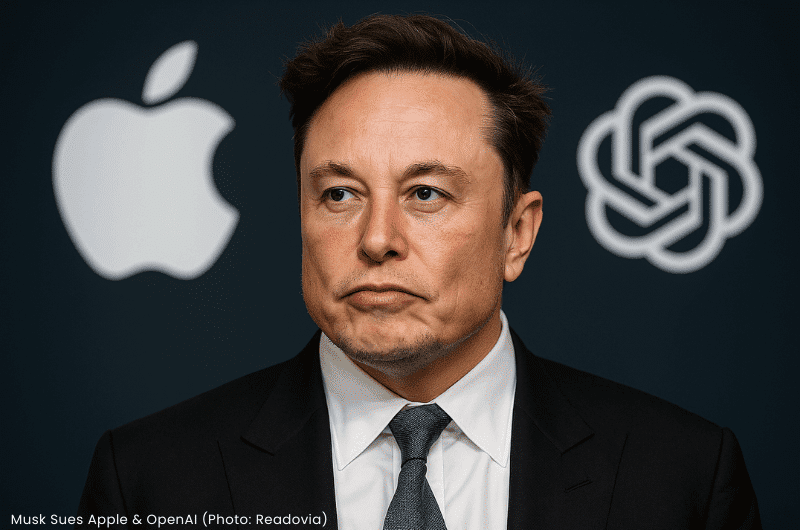
Elon Musk has opened a new front in his war on Big Tech, filing a lawsuit in Texas that accuses Apple and OpenAI of colluding to stifle competition in artificial intelligence.
The case alleges Apple’s deepening ties with OpenAI—including reported exclusivity around advanced models—are shutting out rivals such as Musk’s own Grok platform.
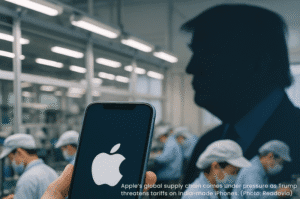
The suit escalates long-running tensions between Musk and OpenAI, the company he co-founded in 2015 before splitting with its leadership. Musk has argued that OpenAI strayed from its nonprofit mission and has since locked its most powerful AI tools behind paywalls and closed partnerships. By targeting Apple, Musk is also taking on one of the world’s most valuable companies, accusing it of tilting the playing field by bundling OpenAI features into its devices.
Legal experts say the case could break open rarely seen details about how AI partnerships are negotiated, raising questions about whether exclusivity deals amount to antitrust violations. Apple and OpenAI, for their part, have so far declined to comment—but both are expected to mount vigorous defenses that frame their cooperation as consumer benefit, not collusion.
The lawsuit lands as regulators in Washington, Brussels, and Asia are already sharpening their scrutiny of AI’s winners and gatekeepers. A ruling in Musk’s favor could ripple globally, forcing more open access to frontier AI systems. But even if the case stalls, it injects fresh political and market pressure into a sector already teetering between hype and hard questions about power.
Between the Lines
Musk’s lawsuit pushes a critical question into the open: who controls access to the most powerful AI systems? If the courts side with him, exclusivity deals could be reined in and transparency forced on partnerships that have quietly shaped the industry. If not, Apple and OpenAI may solidify their role as gatekeepers—tightening the funnel of innovation and leaving rivals scrambling on the outside.