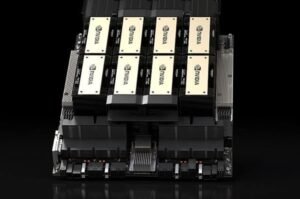



Artificial intelligence may grab headlines for what it can do, but the real battle powering the AI revolution is happening behind the scenes. Technology companies are now racing to build the massive infrastructure needed to support the next generation of AI systems.
Training modern AI models requires enormous computing power. Thousands of specialized chips must work together while moving huge amounts of data between machines in real time. To make that possible, companies are investing billions of dollars in new data centers, faster networking systems, and advanced semiconductor technology.
This rapid expansion has sparked what many experts now describe as a global AI infrastructure race. Tech giants are building new data centers across the United States, Europe, and Asia while competing for access to the powerful chips required to run advanced AI models.
Unlike earlier waves of software innovation, artificial intelligence is increasingly limited by computing power. The companies that can build and operate the largest and fastest AI systems may gain a major advantage in the next phase of the technology revolution.
In the end, the future of artificial intelligence may depend not only on who creates the smartest algorithms, but on who controls the machines powerful enough to run them.