
What started as a short-term reset after the holidays is quietly turning into a longer-term lifestyle shift. In 2026, many people who once committed to “Dry January” are choosing to drink less — or rethink when and why they drink — well beyond the first month of the year.
For some, the change is driven by health awareness. Others point to better sleep, steadier energy levels, and clearer focus after cutting back. Rather than eliminating alcohol entirely, many say they are reserving it for special occasions, celebrations, or social moments that feel intentional, rather than routine.
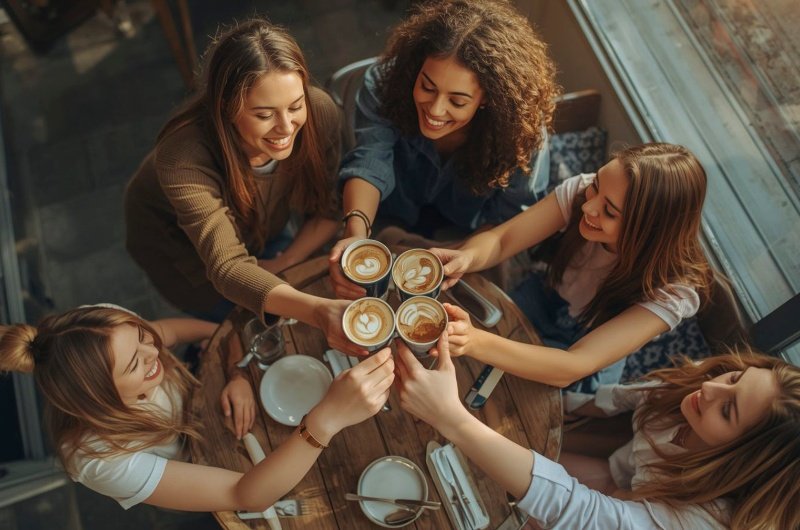
Social habits are evolving alongside these choices. Restaurants and bars are expanding non-alcoholic options, while gatherings increasingly emphasize conversation, food, or shared activities over drinking itself. The shift isn’t about avoidance, but about flexibility — drinking less often, not necessarily never.
There’s also a financial dimension. With everyday expenses rising, some people say reducing alcohol spending is one of the simplest ways to trim monthly costs without giving up experiences they enjoy. Over time, those savings — combined with health benefits — reinforce more mindful habits.
As 2026 unfolds, “Dry January” is no longer just a temporary challenge. For many, it has become a gateway to a more intentional relationship with alcohol — one that allows room for enjoyment, moderation, and choice rather than strict, absolute rules.