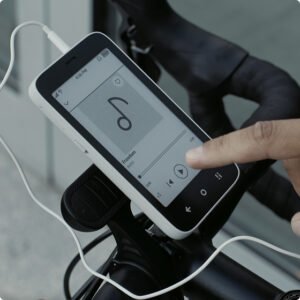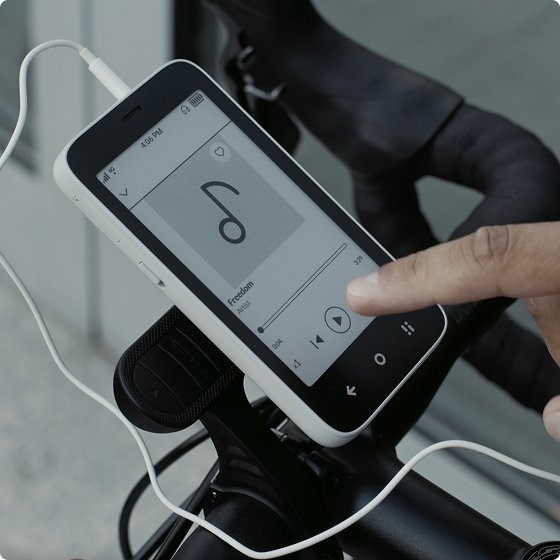
A growing number of consumers are trading in feature-packed smartphones for minimalist “digital-detox” devices designed to reduce constant stimulation and reclaim focus. Instead of high-resolution displays, infinite apps, and algorithm-driven feeds, these deliberately simple phones prioritize calling, texting, and basic tools — offering an escape from the flood of notifications that define modern digital life.
The appeal is rooted in fatigue. After years of screen-time overload, remote work culture, and the mental strain of life lived through apps, many users are seeking technology that supports intentional living rather than dominating it. Minimalist phones often use E-Ink displays that mimic paper, limit app availability, and remove social-media platforms entirely. For some buyers, the shift is less about abandoning technology and more about creating healthier boundaries with it.
Advocates of the movement say the benefits are measurable: more face-to-face interaction, deeper concentration, better sleep, and a renewed sense of calm without the constant pull to check a screen. Some users describe minimalist devices as a way to regain control, noting that modern smartphones often function more as attention-capture machines than productivity tools. Where owning the newest high-powered phone once symbolized status, the new luxury is the freedom to step away from digital noise.
The trend is not without compromise. Minimalist phones can be expensive for what they offer, often costing more than mid-range smartphones while delivering a fraction of the features. Navigation, banking, email access, and photography may still require a separate full-function device, and the shift can feel jarring for those who rely on smartphones for work or travel. For that reason, many adopters choose a hybrid lifestyle — using a minimalist phone during evenings, weekends, or intentional break periods.
Whether the movement becomes mainstream or remains a niche lifestyle choice is still unclear. But as more people prioritize mental health, time sovereignty, and real-world presence, digital-detox devices are becoming a symbol of a new kind of aspiration: technology that intentionally steps out of the way. In a world wired for constant connection, the ability to disconnect — even temporarily — may be the most valuable feature of all.