

Why Your Devices Feel Smarter Than Ever—and What That Actually Means for You

Across the U.S., AI-powered devices are increasingly anticipating user behavior, reshaping everyday technology experiences in subtle but powerful ways. Apps appear before they’re searched. Maps suggest routes before departure. Inboxes draft replies that were never fully written. The shift is subtle, but constant—devices are beginning to think ahead. For those who haven’t noticed it yet, it’s likely just a matter of time. This shift isn’t coming from one breakthrough feature. It’s the result of layers of artificial intelligence working quietly in the background, learning your habits, predicting your next move, and removing steps you used to take manually. What once required a search, a click, or a decision is now often handled automatically. In many ways, it’s a clear upgrade. Tasks take less time. Friction disappears. The experience feels smoother, faster, and more intuitive. For busy users, that kind of efficiency is convenient and welcome. But there’s a quieter side to the shift. As devices take on more of the thinking, users are doing less of it. Recommendations replace exploration. Automation replaces small decisions. Over time, that can subtly change how people interact with technology—and how much control they feel they have over it. The bigger story is that devices are beginning to shape the flow of everyday life in ways most people don’t actively notice. The next phase of technology may not be defined by what we ask our devices to do—but by what they start doing on their own.
The Solo Traveler: Adventure on Your Own Terms

Solo travel is no longer a fringe pursuit — it’s becoming one of the defining trends of modern exploration. From luxury resorts to boutique city stays, the travel industry is adapting to a new generation of travelers who prefer setting out on their own. Airlines and hotels report increasing numbers of single bookings, while tour operators are launching solo-friendly packages designed to attract this growing demographic. The appeal is as much about freedom as it is about discovery. Traveling solo means following your own schedule, indulging personal curiosities, and connecting with new people along the way. For many, it’s an empowering experience that fosters confidence, independence, and a deeper sense of cultural immersion. Destinations like Bali, Lisbon, and Tokyo have become magnets for solo adventurers, offering both safety and vibrant social scenes. Luxury travel brands are also recognizing the opportunity. Upscale hotels and resorts are introducing curated experiences for individuals — from guided tastings to one-on-one adventure excursions. Solo travelers are often highly engaged spenders, eager to invest in meaningful activities and personalized services rather than compromise for group preferences. But going it alone isn’t without challenges. Traveling alone can sometimes be more expensive, with hotels and cruises charging nearly the same rates as if two people were staying. Safety concerns and occasional loneliness also remain real considerations. Savvy travelers overcome these obstacles with thoughtful planning, leaning on online communities, curated itineraries, and flexible accommodations like co-living spaces that balance solitude with social connection. As more travelers embrace the idea of taking flight alone, the solo journey is being redefined not as a fallback option, but as a deliberate choice — a chance to design an adventure on your own terms. For many, it’s not just travel — it’s transformation.
Nervous System Wellness Is Trending as Stress and Burnout Reshape Health Habits

A growing number of people are focusing on “neurowellness” in 2026 as stress, burnout, and digital overload continue to shape daily life. What was once a niche wellness concept is moving into the mainstream, with more attention on habits designed to help the body shift out of constant fight-or-flight mode, including naps, breathwork, walking, and calmer daily routines. The trend includes both simple routines and higher-tech tools. Breathwork, walking, yoga, better sleep habits, and mindfulness practices remain popular, while interest is also rising in wearables and recovery devices aimed at relaxation and resilience. Advertisement Health experts increasingly point to chronic stress as more than a mental burden. It can affect sleep, focus, mood, energy, and long-term physical health. That has helped make nervous system regulation one of the more practical wellness conversations of the moment. The Takeaway For readers, the takeaway may be refreshingly simple: wellness does not always have to mean extreme routines or expensive upgrades. Sometimes it starts with calmer mornings, less screen time, deeper breathing, and giving the body a chance to decompress and recover.
Broadcom Becomes Sixth U.S. Company to Reach $1 Trillion Market Value

Broadcom has become the sixth company in U.S. history to reach a $1 trillion market valuation, adding another chapter to Wall Street’s AI-driven rally. The semiconductor giant’s momentum continued after its shares finished Wednesday at a record closing price. The company has benefited from growing demand for the chips, networking gear, and data-center technology needed to power AI systems at scale. While names like Nvidia often dominate headlines, Broadcom has quietly emerged as one of the biggest winners of the broader AI buildout. Advertisement For everyday investors, the moment is a reminder that some of the strongest market moves are happening behind the scenes. The companies supplying the tools, connections, and hardware of the AI era are becoming just as important as the apps consumers use. Broadcom’s rise also reflects a larger truth about today’s market: innovation themes can create multiple winners, not just one superstar stock. That doesn’t guarantee future gains, but it helps explain why money continues flowing into leading technology brands. ——————– Related: Google Debuts New TPU Chips Built for the Agentic AI Era Broadcom Gains Fresh Attention as AI Infrastructure Demand Grows and Meta Deal Adds Momentum
Apple Names John Ternus Next CEO as Tim Cook Prepares to Move to Executive Chairman
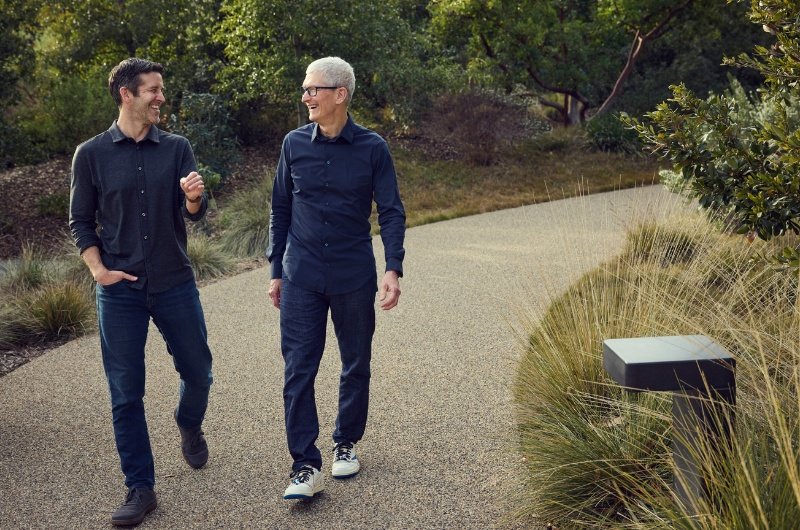
Apple has announced a historic leadership transition, with Tim Cook set to become executive chairman while longtime executive John Ternus takes over as chief executive officer on September 1. The move marks the start of a new chapter for one of the world’s most influential technology companies. Ternus has been with Apple for roughly 25 years and currently serves as senior vice president of hardware engineering. He has played a key role in the development of products including the iPad, AirPods, and recent iPhone and Mac devices, making him a deeply experienced internal successor. Cook became CEO in 2011 following Steve Jobs and led Apple through a period of extraordinary growth, major product expansion, and deeper global reach. During his tenure, Apple strengthened its services business, expanded its manufacturing network, and remained one of the most valuable companies in the world. As executive chairman, Cook is expected to remain active in strategic matters and global relationships, giving Apple a continuity bridge as Ternus steps into the top operating role. Investors and consumers will now be watching for clues about Apple’s next era, especially in hardware innovation and artificial intelligence. The Readovia Lens Leadership changes at Apple are never just corporate news. They can signal where technology, design, and consumer habits may be heading next.
The Quiet Disappearance of Boredom

There was a time when boredom served a purpose. It showed up in quiet moments—waiting, sitting, staring out the window—and it wasn’t something to escape. It was something the mind moved through. And often, on the other side of that stillness, ideas began to form. Today, those moments are harder to find. What used to be empty space is now filled almost instantly. A phone comes out. A screen lights up. A scroll begins. Boredom doesn’t linger long enough to do what it once did—it gets replaced. Advertisement This shift feels small, almost invisible. But over time, it changes something deeper. Because boredom wasn’t just the absence of activity—it was the beginning of thought. It gave the brain room to wander, to connect ideas, to create something new without direction or pressure. Now, that space is increasingly occupied. And while constant access to information has made life more efficient and connected, it may also be quietly reducing the moments where original thinking begins. Bringing It Back Reintroducing boredom doesn’t require disconnecting from everything. It may be as simple as giving it a new name—silence—and allowing a few moments to remain unfilled. No input. No distraction. Just space. Because in silence, we can hear, see, and think most clearly. Between the Lines The modern world has optimized for engagement. But creativity has never followed the same rules. It tends to appear between tasks, between thoughts, between moments of doing. When those moments disappear, something else may quietly disappear with them. ——————– Related: The Notification Economy: Why Your Attention Is Always in Demand
Nvidia’s Hot Streak Signals Fresh Confidence in AI Stocks

Nvidia shares climbed Tuesday, giving the company a 10-day winning streak and one of its strongest runs in months. The move suggests investors are feeling confident again about the future of artificial intelligence and the companies helping power it. Part of the excitement comes from a better mood across the market. New inflation data helped ease concerns about interest rates, while lower bond yields made growth stocks more attractive. Technology companies were among the biggest winners. Advertisement Nvidia remains a favorite because its chips sit at the center of the AI boom. They help run data centers, advanced software, and the computing systems behind many of today’s smartest tools. When investors want exposure to AI, Nvidia is often one of the first names they consider. That said, no stock moves up forever without pauses. After a run like this, some pullback or profit-taking would be normal. Investors will be watching upcoming earnings reports for clues about where the market goes next. The bigger takeaway is simple: Wall Street still believes AI could be one of the most important growth stories of this era, and Nvidia continues to be a major symbol of that trend.
3 Smart Money Moves to Make Before Summer Spending Begins

Summer has a way of arriving with sunshine, plans, and expenses. Between weddings, graduations, travel, higher utility bills, and those quick “why not?” purchases, the season can put pressure on even a solid budget. The good news: a few smart moves now can make the months ahead feel a lot lighter. 1. Build a Summer Buffer Set aside a small amount now for seasonal extras. It does not need to be huge. Even a modest cushion can help cover surprise costs without reaching for a credit card when invitations, tickets, or weekend plans start stacking up. Advertisement 2. Audit Your Auto-Spending Some subscriptions are more committed than relationships. Take ten minutes to review memberships and recurring charges. You may still be paying for services you stopped using months ago. Canceling a few can free up money fast. 3. Choose Your Big Spend Now Pick the one thing that matters most this summer. Maybe it is travel, family fun, home upgrades, or paying down debt. When you decide in advance where your money should go, random spending has less power to hijack the plan. The Readovia Lens A strong summer budget gives your money purpose before the season starts pulling it in every direction.
The Next AI Leap: Completing Tasks Without Human Assistance
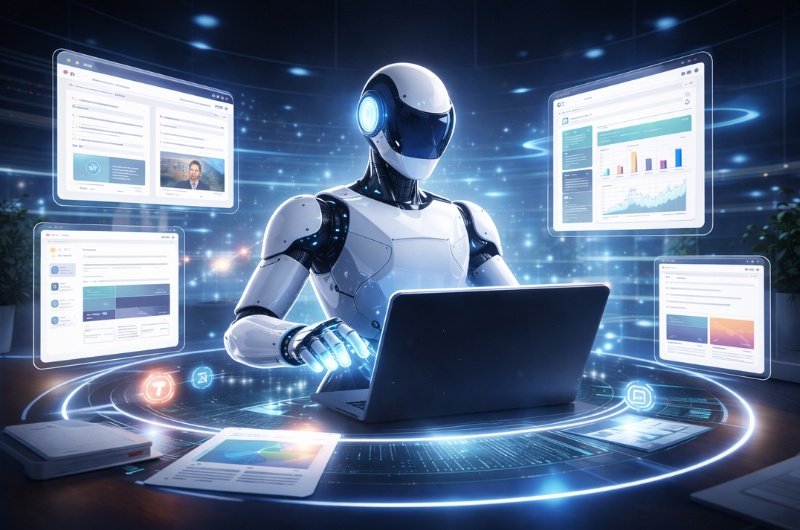
AI is entering a new era as intelligent agents begin completing real tasks across apps, websites, and workflows with less human input than ever before. A growing wave of AI systems is being designed to move beyond conversation and into action. Instead of waiting for one instruction at a time, the latest AI systems can break goals into steps, choose tools, and carry out actions in sequence. That means the future of AI may look less like asking questions in a chat window and more like assigning work to a digital operator. A real-world example could look like this: create a blog post about summer travel trends, design a matching image, upload it to WordPress, optimize the SEO fields, and schedule it for tomorrow. What once required multiple apps and a long checklist may increasingly happen through one request and a capable AI agent. The opportunity is massive, but so are the questions. Businesses are now weighing productivity gains against concerns around permissions, reliability, and security. Researchers also note that while progress is accelerating, many agents still struggle with complex real-world tasks and need oversight. The Readovia Lens AI is moving from assistant to operator. That evolution could unlock enormous productivity — but it also raises a deeper challenge: how much autonomy society is willing to hand over.
AI Is Saving Workers Up to 4 Hours a Day — Redefining the Modern Workday

A new report from Canva highlights one of artificial intelligence’s most immediate impacts on the workplace: time. Employees are saving as much as four hours per day by using AI tools, dramatically reducing the time spent on repetitive and routine tasks. The gains are showing up across a wide range of work. Tasks like drafting emails, summarizing documents, creating presentations, and organizing information are being completed in a fraction of the time, allowing workers to move through their day with greater speed and efficiency. But the real shift is not just about getting more done. It’s about what happens with the time that is freed. Many workers report using those reclaimed hours to focus on higher-level thinking, creative problem-solving, and more strategic work — areas that were often pushed aside in favor of day-to-day demands. For companies, the implications are significant. Increased productivity without longer hours changes how teams operate, how projects are managed, and how performance is measured. It also raises new questions about expectations, as the line between efficiency and workload continues to evolve. At the same time, the shift is not without complexity. As AI continues to absorb more routine tasks, the definition of “a full day’s work” may begin to change. What once required eight hours may soon take far less, challenging long-standing norms around time, output, and value. The Readovia Lens For decades, productivity gains have meant doing more in the same number of hours. AI is beginning to flip that model, giving people something far more valuable than speed — time back in their day. So, if work can be completed faster, what happens next? ——————– Related: AI Gives Businesses a Chance to Rethink the Workday in 2026 The 6-Hour Workday Experiment Gains Quiet Momentum