

America’s Electricity Grid Is Stepping Into the AI Economy
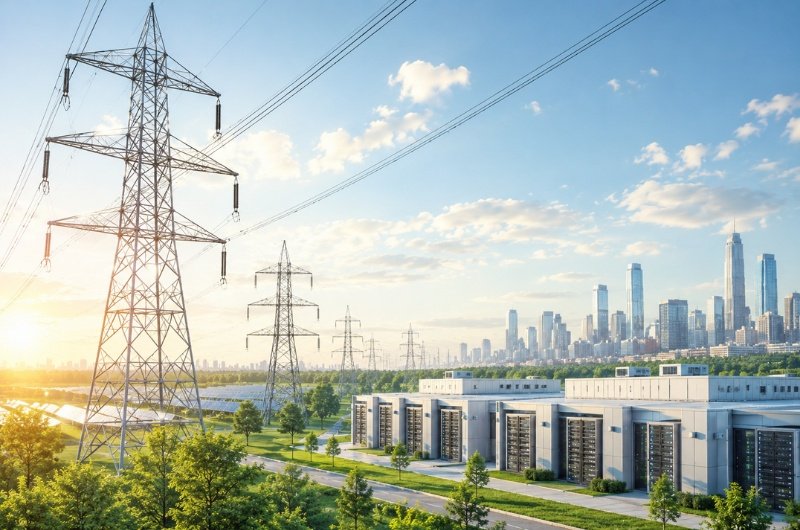
The artificial intelligence boom is beginning to reshape a part of the economy few investors expected: America’s power industry. A massive proposed merger involving two of the nation’s largest energy companies is drawing new attention to how quickly electricity demand is becoming one of the defining forces behind the next phase of the AI economy. The deal would create one of the most powerful utility operators in the United States at a time when artificial intelligence is driving an unprecedented expansion of data centers across the country. Advertisement For years, AI was largely viewed as a software revolution unfolding through chatbots, algorithms, and digital platforms. But behind the scenes, the technology depends on something far more physical: enormous amounts of electricity. Training and operating advanced AI systems now requires sprawling data centers filled with high-performance chips running around the clock. Those facilities consume massive amounts of energy for computing, cooling, and infrastructure support — and demand is rising rapidly as AI adoption accelerates across business, government, healthcare, finance, and consumer technology. The shift is beginning to change how Wall Street views utility companies and energy infrastructure. Investors who once treated power companies as slow-moving defensive plays are increasingly recognizing them as critical participants in the AI economy itself. In some regions, utility providers are already racing to expand grid capacity to support a growing wave of AI-related construction projects. Virginia has emerged as one of the clearest examples of the transformation underway. Already home to one of the world’s largest concentrations of data centers, the state has become a major hub for the infrastructure powering artificial intelligence. Similar expansions are beginning to spread into other parts of the country as technology firms compete to secure long-term energy access for future AI growth. The implications could stretch well beyond the technology sector. As AI infrastructure expands, energy demand is expected to fuel new investment in grid modernization, transmission systems, battery storage, renewable energy, and nuclear power. Some analysts now believe electricity availability itself could become one of the most important competitive factors in the global AI race. At the same time, the rapid growth of AI infrastructure is raising broader economic questions. Building and powering massive data centers requires billions of dollars in long-term investment, and some experts believe the growing strain on regional grids could eventually place upward pressure on electricity costs in heavily concentrated markets. The emerging reality is becoming harder to ignore: artificial intelligence may be digital, but the economy supporting it is deeply physical. For investors, the shift is becoming increasingly difficult to ignore. As artificial intelligence expands beyond software into full-scale infrastructure, utilities, grid operators, energy producers, and data center companies are beginning to attract renewed attention from Wall Street. The AI economy may ultimately create winners far beyond traditional technology firms. The Readovia Lens We’ve said it before – the next phase of the AI boom may depend less on apps and more on infrastructure. Behind every intelligent system is a growing network of power plants, transmission lines, cooling systems, and data centers consuming extraordinary amounts of electricity. In the years ahead, the companies supplying that energy may quietly become some of the most important players in the modern economy.
Nvidia Surges Again as AI Boom Pushes Company Beyond $5.5 Trillion Valuation
Nvidia stock surged Thursday as the company crossed a $5.5 trillion market valuation following a Reuters report that the U.S. Commerce Department approved advanced H200 chip sales to several Chinese technology companies. The surge adds to what has already become one of the most extraordinary runs in modern stock market history. Nvidia has transformed from a semiconductor company primarily known for graphics processing into the central infrastructure provider powering the AI economy, with its chips now driving everything from large language models to massive data centers and enterprise AI systems. Analysts across Wall Street have continued raising price targets as demand for AI computing power accelerates globally. Much of Thursday’s momentum appeared tied to growing optimism surrounding Nvidia’s position in China. Reports indicated that major Chinese technology companies were among those cleared to purchase the H200 chips under U.S. export restrictions. Although shipments have reportedly not yet begun, investors viewed the approvals as another sign that Nvidia could regain access to a critical market that had become increasingly uncertain amid rising U.S.-China tensions. Advertisement The rally also reflects a broader reality now reshaping Wall Street: artificial intelligence is no longer being treated as a speculative technology trend. Increasingly, investors are viewing AI infrastructure as the foundation of the next major era of economic growth, with Nvidia positioned at the center of that transformation. As markets opened Thursday morning, Nvidia shares continued moving higher, extending a run that has helped lift the broader technology sector and fuel record highs across major indexes. For investors who entered the stock earlier in the AI cycle, the gains have been staggering — and for Wall Street, Nvidia has become one of the clearest symbols yet of how aggressively capital is flowing into the future of artificial intelligence.
Corporate America Is Quietly Rebuilding Around AI as Layoffs Continue

Corporate America’s race to adopt artificial intelligence is increasingly reshaping the workforce, as another wave of layoffs sweeps across major technology and business firms investing heavily in AI-driven operations and automation. Companies including Cloudflare, Meta, Amazon, and Coinbase have continued restructuring efforts in recent months while simultaneously expanding investments in artificial intelligence infrastructure, AI products, and operational efficiency initiatives. Executives across the industry are increasingly positioning AI as a long-term productivity engine capable of reducing costs and streamlining large portions of white-collar work. Advertisement The shift is becoming more visible as businesses move beyond experimental AI projects and begin integrating the technology into customer service, software development, marketing, analytics, and internal operations. In many cases, companies say the goal is not simply replacing workers, but rebuilding workflows around faster and more automated systems. At the same time, the growing emphasis on AI efficiency is fueling broader concerns about the future of office jobs and the long-term stability of certain professional roles. Analysts say the transformation now underway could permanently alter hiring patterns across sectors that once appeared relatively insulated from automation pressure. While corporate leaders continue presenting AI as a tool for innovation and growth, the accelerating pace of restructuring is also reinforcing a new reality across corporate America: companies are increasingly treating AI as a central component of long-term corporate strategy.
Why More People Are Tracking Their Stress Like a Vital Sign
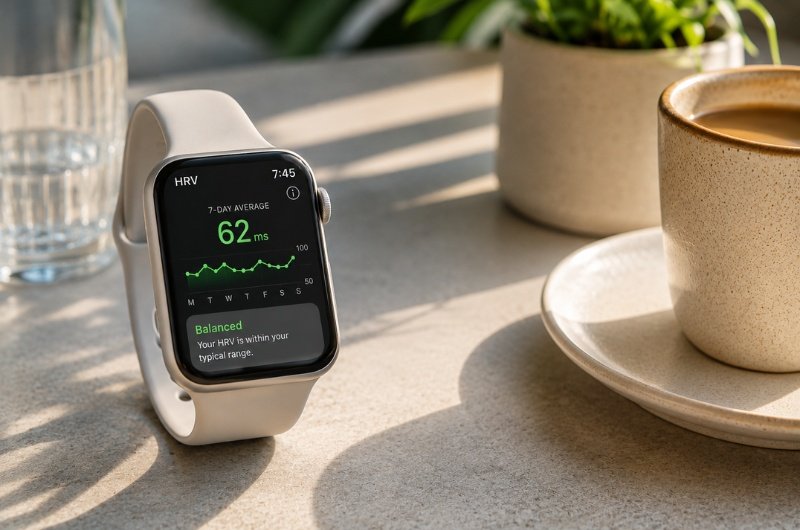
Heart rate variability is becoming one of the wellness world’s most closely watched numbers, as smartwatches, fitness rings, and recovery apps push stress tracking into everyday life. Known as HRV, the metric measures small variations in time between heartbeats. While that may sound technical, researchers have long viewed HRV as a window into the autonomic nervous system, which helps regulate the body’s response to stress, rest, recovery, and physical strain. Research has also explored HRV monitoring as a way to better understand stress patterns tied to burnout and overall recovery. Advertisement The growing interest is being fueled by wearable devices that now place HRV alongside sleep scores, resting heart rate, steps, and recovery data. For many users, the appeal is simple: stress can feel invisible until it shows up as exhaustion, poor sleep, irritability, or illness. HRV gives people a way to observe daily signals that may affect overall wellness. Experts caution, however, that HRV should not be treated like a universal scorecard. A “good” number can vary widely based on age, genetics, fitness level, sleep, illness, medication, alcohol use, and everyday stress. Instead, many wellness professionals say the more useful pattern is personal — whether someone’s HRV is rising, falling, or remaining unusually low compared with their own baseline. That may be one reason HRV is gaining traction beyond athletes and biohackers. In an era shaped by burnout, overstimulation, and always-on work culture, more people are looking for ways to better understand how stress may be affecting the body before it becomes impossible to ignore.
A New Daily Habit Is Emerging: Talking to AI Like a Real Assistant

For a growing number of people, talking to artificial intelligence is becoming part of everyday life — not in a futuristic way, but in the quiet routines of work, planning, problem-solving, and daily conversation. People are increasingly using conversational AI to organize schedules, brainstorm ideas, refine messages, prepare for meetings, and even rehearse difficult conversations. What once felt experimental is starting to feel ordinary, especially as digital tools become more conversational, responsive, and integrated into daily routines. Advertisement Part of the shift may be tied to convenience. Unlike traditional search engines or apps, conversational platforms allow people to interact naturally, asking follow-up questions and receiving responses in real time. That ease of interaction is subtly changing how many people approach productivity, communication, and decision-making throughout the day. The trend also reflects a broader shift in how modern life is being shaped by technology that feels less mechanical and more interactive. For some users, conversational AI functions almost like a digital sounding board — available instantly for brainstorming, organization, recommendations, or guidance without the friction of navigating multiple tools or platforms. Researchers continue studying how increased interaction with conversational technology could affect communication habits over time. But one thing is already becoming clear: as these tools become more embedded in everyday routines, the relationship between people and technology is evolving into something more continuous, conversational, and deeply woven into modern life.
Can AI Trading Bots Really Turn Small Accounts Into Fortunes?
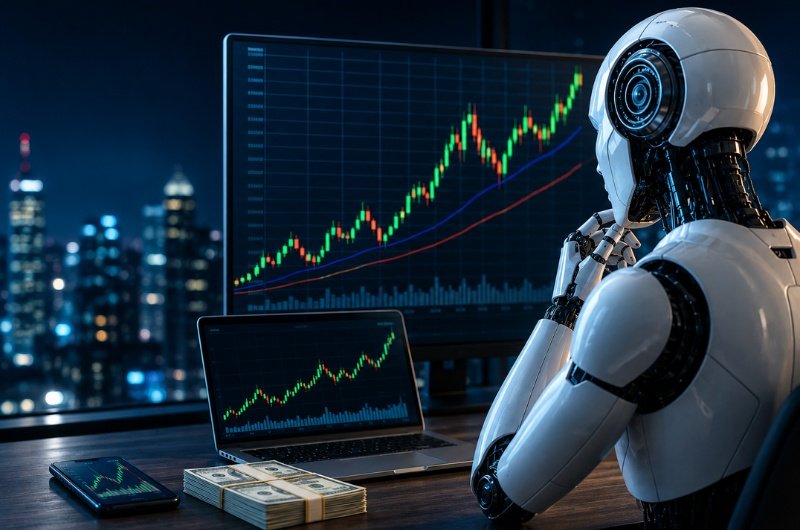
A new kind of digital gold rush is spreading across the internet — and this time, it is powered by artificial intelligence. Across YouTube, TikTok, Discord, Telegram, and X, AI trading bots are being marketed as automated systems capable of turning small trading accounts into surprisingly large profits. Some advertisements claim users can start with just a few hundred dollars and generate thousands within weeks using AI-powered crypto, forex, or stock trading strategies that operate around the clock. The excitement is real. So is the skepticism. The Promise of Automated Wealth Automated trading itself is not new. Hedge funds, banks, and institutional firms have relied on algorithmic trading systems for years. What has changed is accessibility. A growing number of retail investors now have access to AI-assisted trading tools that promise to analyze market conditions, execute trades automatically, and remove human emotion from the decision-making process. Advertisement That combination has fueled enormous curiosity online. But the reality behind the headlines is far more complicated than many viral videos suggest. The Risk Behind the Hype While some traders report legitimate gains using automated systems, many experts warn that the internet is now flooded with exaggerated profit claims, unrealistic expectations, and high-risk trading strategies disguised as “easy passive income.” Regulators, including the Commodity Futures Trading Commission, have also issued warnings about AI-related trading scams and misleading investment promises targeting inexperienced investors. One major issue is leverage. Many of the dramatic “small account to massive fortune” success stories circulating online involve highly leveraged trades tied to crypto markets, forex trading, or extremely volatile assets. Leverage can magnify gains very quickly — but it can also wipe out an account just as fast. In some cases, traders risk losing far more money than they originally deposited. That risk is often downplayed in social media marketing. What Professional Traders Actually Focus On Another reality is that many AI trading bots are not truly autonomous “money machines.” Some rely heavily on pre-programmed technical indicators, while others require constant human oversight, ongoing adjustments, and careful risk management. Experienced algorithmic traders often spend months testing strategies, monitoring market behavior, and refining systems before risking significant capital. The language used by professional traders also sounds very different from the marketing seen online. That contrast says a lot about the current AI trading boom. Instead of promising guaranteed profits, experienced traders tend to focus on: probability risk control consistency drawdowns position sizing and long-term performance Why AI Trading Bots Are Exploding in Popularity The popularity of AI trading bots continues to grow because they tap into something deeper happening in modern finance: the desire for automation, speed, and financial independence in an economy where many people feel financially stretched. For some users, AI-assisted trading tools represent curiosity and experimentation. For others, they represent hope — the possibility that technology might finally create new paths to wealth outside traditional careers or investing strategies. And in fairness, there are legitimate developments happening in the space. For instance, some platforms are building hybrid systems where AI helps traders identify opportunities while humans retain final control over execution decisions. AI is increasingly being used successfully across financial markets for: pattern recognition market analysis sentiment tracking trade execution portfolio optimization and risk modeling The Business Behind the Bots The rapid growth of the industry has created a modern online ecosystem where hype often travels faster than reality. Luxury cars, screenshots of profitable trades, rented mansions, countdown timers, and promises of “financial freedom” now dominate many AI trading advertisements online. In some cases, the people making the most money may not be using the bots themselves — but selling subscriptions, memberships, courses, affiliate links, and access to private trading communities. That does not mean all AI trading systems are scams. It does mean the space requires caution, skepticism, and a clear understanding of risk. A Glimpse Into the Future of Finance The larger story may be about the growing role automation will play in the future of personal finance itself. As artificial intelligence becomes more deeply integrated into investing, trading, and financial decision-making, the line between human strategy and machine-assisted finance will likely continue to blur. The technology is advancing quickly. But so are the marketing tactics surrounding it. For now, one thing is certain: AI trading bots have become one of the hottest — and most controversial — money conversations on the modern internet.
The Next AI Battleground: Compute Power
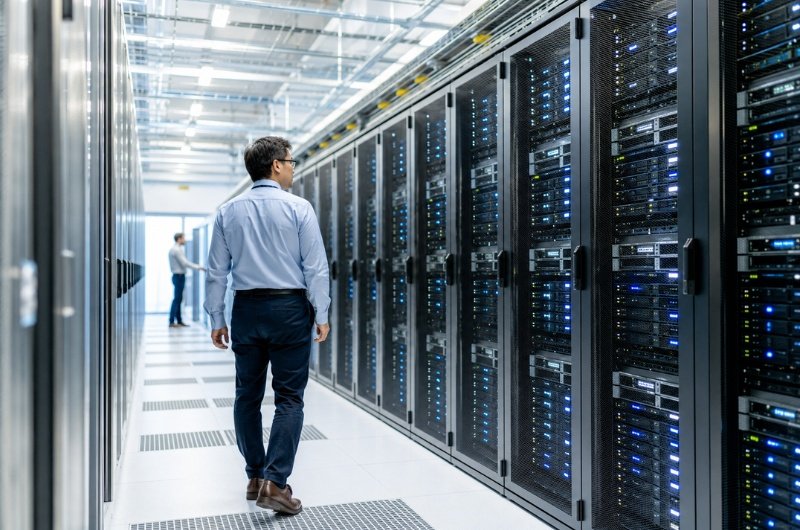
For much of the AI boom, public attention focused on chatbots, image generators, and consumer AI tools. But behind the scenes, a different race is accelerating — one centered on the massive computing power required to build and run advanced AI systems. That shift came into clearer focus this week following reports tied to Anthropic’s growing infrastructure relationship with Elon Musk’s xAI and SpaceX ecosystem. As companies push to train larger AI models and deploy more advanced AI agents, the real bottleneck is compute power. Training modern AI systems requires enormous amounts of processing capacity, advanced AI chips, energy, and large-scale data centers. Demand has grown so quickly that infrastructure itself is becoming one of the most valuable assets in the AI industry. That is changing the nature of competition. In the early phase of the AI boom, companies competed mainly on product features and model performance. Now, many of the biggest advantages may belong to the companies that can secure the most computing resources. The shift is also concentrating power across a relatively small group of firms controlling cloud infrastructure, semiconductor supply chains, networking systems, and large AI data centers. The Readovia Lens As AI systems continue expanding, the industry’s center of gravity may slowly move away from flashy chatbot demos and toward the infrastructure quietly powering the entire AI economy. ——————– Related: Why AI Infrastructure Stocks Are Surging AI Infrastructure Surge: Billions Pledged at India Summit Signal Global Compute Race Up 1,000% in One Year: The Stock That’s Turning Heads on Wall Street Broadcom Gains Fresh Attention as AI Infrastructure Demand Grows and Meta Deal Adds Momentum
The Trump IRA $1,000 Retirement Match — Explained

The new “Trump IRA” initiative promises a federal retirement match of up to $1,000, but the question most people have is: who actually qualifies, and how much money are we really talking about? The program, known as the Saver’s Match under the SECURE 2.0 Act, is designed primarily for lower- and moderate-income workers. Starting in 2027, eligible individuals who contribute to a qualifying retirement account can receive a government match worth up to half of what they put in, capped at $1,000 per year. Advertisement Here’s what that looks like in real terms. If you contribute $2,000 over the course of the year, you could receive the full $1,000 match. Put in $1,000, and the match would be $500. Even smaller contributions count, which means the program is structured to reward consistency more than large, one-time deposits. One of the biggest changes is how the benefit is delivered. Instead of a tax credit that shows up later, the Saver’s Match is expected to be deposited directly into a retirement account, making it more visible and easier to understand as part of your actual savings. The new Trump IRA platform, tied to an executive order from Donald Trump, is designed to make that process easier by helping workers find and compare retirement accounts based on cost, quality, and investment options. For millions of Americans without access to employer-sponsored plans, that could remove one of the biggest barriers to getting started. For most people, this won’t feel like a windfall. But over time, a consistent annual match can quietly build momentum — and for anyone who hasn’t started saving yet, it creates a reason to begin. ——————– Related: New ‘Trump IRA’ Platform Aims to Connect Workers to $1,000 Federal Retirement Match
CDC Signals Ongoing Measles Risk as Cases Approach 1,800 Nationwide

As of April 23, 2026, 1,792 confirmed measles cases have been reported across the United States, according to the Centers for Disease Control and Prevention, as health officials warn that additional infections are likely in the months ahead. The agency says the virus—one of the most contagious in the world—continues to circulate in multiple states, with most cases linked to individuals who are unvaccinated or whose vaccination status is unknown. The CDC is urging state and local health departments to remain vigilant, with a focus on early detection, contact tracing, and outreach to communities with lower vaccination rates. Travelers returning from affected areas are also being advised to monitor for symptoms for up to three weeks and seek medical care if concerns arise. For families, the guidance is straightforward. Vaccination remains the most effective protection, and in some cases, infants traveling to higher-risk areas may be eligible for an early dose ahead of the standard immunization schedule. While most people in the U.S. are protected through routine vaccination, the rise in cases serves as a reminder of how quickly preventable diseases can reemerge when coverage declines. With infections continuing to surface, public health officials say awareness and timely response will be key to limiting further spread.
Powerball Drawing Produces Rare Surge of Million-Dollar Winners Across the U.S.
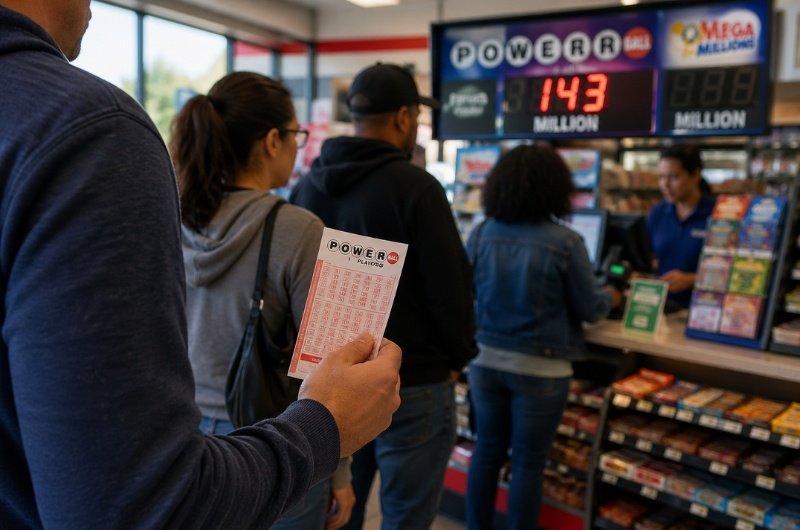
Two winning tickets from Kansas and Indiana split a $143 million Powerball jackpot in the April 29 drawing—but the real surprise was how many other players walked away with life-changing money. The same drawing produced more than 90 high-tier winners across the country, including 62 tickets worth $1 million and 27 tickets worth $2 million with the Power Play option. That’s an unusually large number of big winners for a single drawing, turning what might have been a typical jackpot story into something far more notable. Advertisement When multiple players match all six numbers, the jackpot is split evenly. In this case, the two winning tickets will divide the top prize, while dozens of others came within one number of claiming it all. It’s a reminder of how the game works—and how rare these outcomes still are. The odds of winning any Powerball prize sit at about 1 in 24.87, but the chance of hitting the jackpot remains steep at roughly 1 in 292 million. For most players, it’s about the possibility. For a select group this week, that possibility turned into a seven-figure reality.