Artificial intelligence is beginning to reshape the workforce in ways that are most visible at the entry level, where many of the tasks traditionally assigned to junior employees can now be handled by AI systems.
Across industries such as marketing, finance, customer support, and software development, companies are increasingly using AI tools to summarize documents, generate reports, analyze data, and respond to routine inquiries. Work that once helped early-career employees gain experience is now being completed in seconds by automated systems.
Some labor analysts say the shift is beginning to show up in hiring patterns. While demand for experienced professionals remains strong in many sectors, companies are becoming more cautious about expanding junior roles that focus primarily on repetitive or administrative tasks.
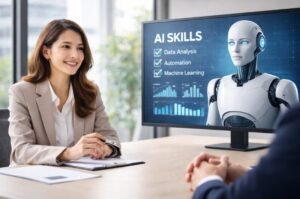
The change does not necessarily mean fewer jobs overall, but it could alter how careers begin. As automation expands, entry-level positions may increasingly require higher-level skills such as critical thinking, strategy, and oversight of AI systems rather than basic task execution.
For workers entering the job market, the message is becoming clear: understanding how to work alongside AI may soon be as important as traditional professional experience.