


Trump Issues Iran Ultimatum, Then Delays Strikes as Conflict Nears Breaking Point
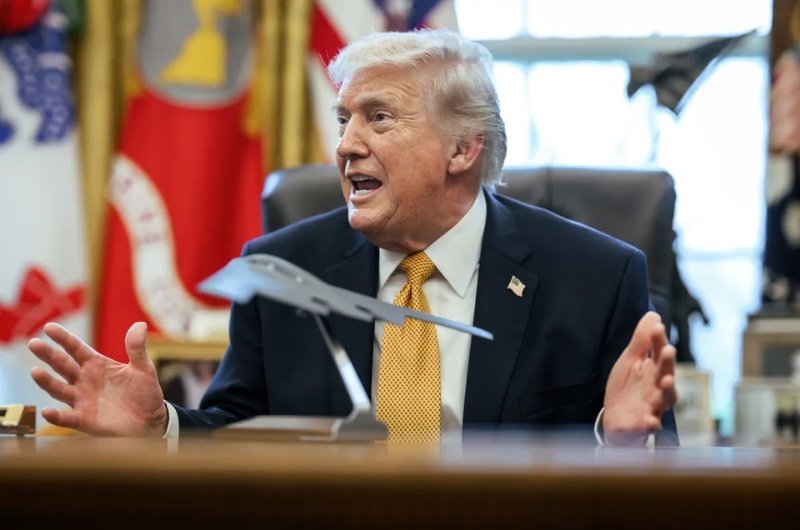
The United States and Iran have moved to the brink of a major escalation, as a 48-hour U.S. ultimatum quickly gave way to a sudden and unexpected pause in military action. President Donald Trump had warned Iran to reopen the Strait of Hormuz or face strikes targeting its power and energy infrastructure. Instead, just hours before the deadline, the White House announced a five-day delay, citing what Trump described as “very good and productive” conversations aimed at de-escalation. The reversal follows days of intensifying threats on both sides. Iran had responded to the ultimatum with warnings that any attack on its infrastructure would trigger widespread retaliation across the Middle East, including strikes on energy facilities and critical systems in neighboring countries. The Strait of Hormuz, one of the world’s most vital oil corridors, remains heavily restricted, amplifying global economic concerns and raising the stakes of the standoff. Despite the announcement of “productive” discussions, Iranian officials have publicly denied that any direct talks with the United States have taken place. Instead, Tehran has suggested the delay reflects the seriousness of its counter-threats rather than any diplomatic breakthrough. Regional tensions remain high, with ongoing military activity and continued warnings of broader conflict. The conflict, now entering its fourth week, has already resulted in significant casualties and widespread instability across the region. Israeli air operations have continued, while Iran has signaled its willingness to expand retaliation, including potential disruptions to water and energy systems across Gulf nations. For now, the five-day pause offers a narrow window for diplomacy — but with both sides holding firm and the global economy already feeling the impact, the situation remains volatile. What happens next may determine whether this conflict moves toward resolution or escalates into a broader regional crisis.
Gas Prices Surge as Iran Crisis Sends Oil Markets Into Shock

As tensions between the United States and Iran push closer to open conflict, Americans are beginning to feel the impact where it hits hardest — at the pump. Gas prices are climbing nationwide after global oil markets reacted to disruptions in the Strait of Hormuz, a critical artery for the world’s energy supply. Oil prices surged past $100 per barrel in early trading, driven by fears that prolonged restrictions or a full closure of the strait could choke off a significant portion of global oil shipments. The waterway handles roughly one-fifth of the world’s petroleum supply, making it one of the most strategically important routes in the global economy. Advertisement The shift is already showing up in real numbers. The national average for regular gas has climbed to $3.95 per gallon, up from $3.71 just one week ago and $2.93 a month ago. Mid-grade fuel is now averaging $4.46 per gallon, reflecting a sharp and steady upward trend in a short period of time. The sudden spike is putting renewed pressure on household budgets, especially as many Americans were just beginning to see relief in fuel and transportation costs. Analysts warn that if tensions escalate further — or if military action resumes — prices could rise even more quickly, intensifying inflation concerns across multiple sectors. Markets briefly stabilized after news of a five-day delay in potential U.S. strikes, but volatility remains high. For American consumers, the situation underscores how quickly global conflict can ripple into everyday life, with the cost of uncertainty now visible on nearly every gas station sign in the country.
Student Loans Move to Treasury in Major Federal Power Shift

The Trump administration has begun transferring federal student loan management from the Department of Education to the U.S. Treasury, marking one of the most significant structural changes to the student loan system in decades. The shift starts with defaulted loans but signals a broader realignment that could eventually move the entire $1.7 trillion portfolio out of Education oversight. At its core, the move reframes student debt as a financial asset to be managed rather than a social policy tool tied to education. Treasury, equipped with advanced financial infrastructure and collections authority, is expected to take a more aggressive and systemized approach to repayment and enforcement. Supporters argue the transition could streamline operations, reduce inefficiencies, and bring long-overdue discipline to a system that has struggled with servicing failures and borrower confusion. Critics, however, warn that shifting control away from the Education Department may weaken borrower protections and create new layers of complexity for millions of Americans already navigating repayment. The timing is equally notable. The move comes amid broader efforts to reshape or reduce the role of the Department of Education, raising questions about whether this is an operational fix or the first step in a larger institutional overhaul. For borrowers, the immediate impact may be subtle, but the long-term implications are significant. The system governing how Americans repay their education debt is no longer anchored solely in education policy. It is becoming part of the federal government’s financial machinery — and that shift could redefine how student debt is treated for years to come.
Congress Moves to Expand Federal AI Surveillance Powers as Privacy Debate Intensifies
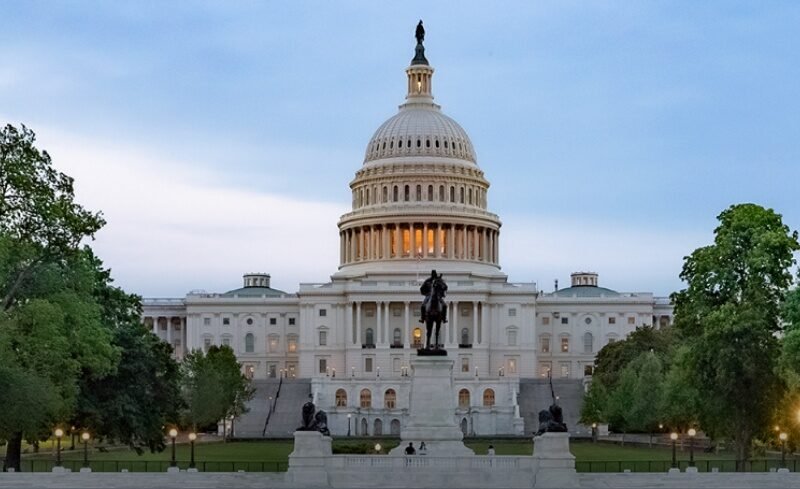
Federal lawmakers are advancing new legislation that would significantly expand the government’s ability to use artificial intelligence for surveillance, triggering immediate backlash from privacy advocates and civil liberties groups. The proposal would allow federal agencies to deploy AI tools to monitor digital communications, financial transactions, and public activity patterns at scale, all under the banner of national security. Supporters argue the move is necessary as global threats evolve faster than traditional intelligence methods can handle. With adversaries increasingly using AI for cyberwarfare, misinformation, and financial disruption, officials say the U.S. must modernize its capabilities or risk falling behind. The bill includes provisions aimed at streamlining data-sharing across agencies and accelerating AI deployment in active investigations. Critics, including privacy advocates, however, warn that the scope of the legislation is too broad and lacks sufficient guardrails. Concerns center on potential overreach, including mass data collection on ordinary Americans without clear transparency or accountability. Several advocacy groups have called for stricter limitations, independent oversight, and explicit protections against misuse. The debate reflects a growing tension in Washington: how to balance national security with individual privacy in an AI-driven world. As the bill moves toward a vote, lawmakers on both sides are under pressure to define where that line should be drawn.
Atlantis Paradise Island: Inside the Caribbean’s Most Iconic All-In-One Resort Escape

There are beach resorts—and then there is Atlantis Paradise Island, a destination that feels less like a hotel and more like a self-contained world. Set along miles of white sand and turquoise water in the Bahamas, the resort blends luxury, entertainment, and natural beauty into a single, expansive experience designed for both relaxation and adventure. At the heart of Atlantis is Aquaventure, a 141-acre water playground featuring high-speed slides, river rides, and dozens of swimming areas woven through lush tropical landscapes. Guests also have access to more than 14 pools and over 20 swimmable spots, along with five miles of pristine beaches that stretch across the island. But Atlantis is more than just water. The resort spans five distinct hotel properties, each offering a different level of experience—from family-friendly stays to elevated, adults-focused luxury. Across the property, guests can explore more than 40 restaurants, bars, and lounges, ranging from casual beachfront dining to fine culinary experiences, making it one of the most expansive dining destinations in the Caribbean. The resort is also home to one of the largest open-air marine habitats in the world, where thousands of sea creatures—from sharks to stingrays—move through lagoons and aquariums designed to immerse visitors in ocean life. Dining, shopping, and entertainment extend into a lively marina village, creating a seamless blend of resort living and island exploration. In the end, Atlantis Paradise Island delivers something few destinations can: variety at scale. Whether you’re spending the day poolside, drifting through a mile-long river, or stepping onto powder-soft sand at sunset, the experience feels curated, immersive, and unmistakably unforgettable.
Housing Market Shows Signs of Cooling as High Rates Continue to Squeeze Buyers

The U.S. housing market is beginning to show signs of a slowdown as elevated mortgage rates continue to pressure affordability and sideline potential buyers. After years of rapid price growth and fierce competition, new data suggests demand is softening in several key markets, with homes taking longer to sell and price increases leveling off. Buyers are increasingly hesitant to commit, faced with borrowing costs that remain near multi-year highs. Monthly payments have climbed significantly compared to just a few years ago, forcing many would-be homeowners to delay purchases or adjust expectations. First-time buyers, in particular, are feeling the strain. Sellers, meanwhile, are entering a more balanced market environment. While inventory remains relatively tight, the urgency that once defined the market has cooled. Price cuts, once rare, are becoming more common in certain regions as sellers adapt to shifting conditions. Economists say the market is not crashing, but recalibrating. Much will depend on the Federal Reserve’s next moves and whether mortgage rates begin to ease later this year. For now, the housing market appears to be entering a new phase—one defined less by frenzy and more by caution.
Disney Enters a New Era as Josh D’Amaro Takes the Helm

The Walt Disney Company is entering a new chapter as Josh D’Amaro officially steps into the role of chief executive officer, succeeding longtime leader Bob Iger. The transition marks a pivotal moment for one of the world’s most influential entertainment companies. D’Amaro, a longtime Disney executive who previously led the company’s parks and experiences division, takes over at a time of both opportunity and pressure. While Disney’s global brand remains unmatched, the company faces growing competition in streaming, shifting consumer habits, and the broader impact of emerging technologies. Early signals suggest a focus on integration. D’Amaro has emphasized the importance of connecting Disney’s film, television, streaming, gaming, and theme park businesses more closely — a strategy designed to move faster and deliver more cohesive experiences across platforms. That approach reflects a broader effort to modernize Disney’s “flywheel,” where stories, products, and experiences reinforce one another in real time rather than across extended timelines. At the same time, D’Amaro inherits a complex landscape. Traditional television continues to decline, streaming competition remains intense, and the company must balance creative storytelling with financial performance. For Disney, the question is about execution. The company’s next phase will depend on how effectively it can align its vast portfolio and adapt to a rapidly changing media environment.
A Simple Blood Test Could Detect Alzheimer’s Years Earlier — And It’s Getting Closer to Reality

Detecting Alzheimer’s disease has long required expensive brain scans or invasive procedures, often after symptoms have already begun to appear. But new research suggests that may soon change, with scientists developing blood tests capable of identifying early signs of the disease years in advance. These tests focus on specific biomarkers in the blood, including proteins linked to the buildup of amyloid plaques and tau tangles in the brain — hallmarks of Alzheimer’s. In recent studies, some of these tests have shown promising accuracy, raising the possibility of earlier and more accessible diagnosis. Advertisement The potential impact is significant. Earlier detection could allow patients to begin treatments sooner, participate in clinical trials, and make more informed decisions about their long-term care. It may also give researchers a better opportunity to study the disease before it progresses. While the science is advancing quickly, experts caution that these tests are still being refined and are not yet widely available for routine use. Questions remain around standardization, accessibility, and how results should be interpreted in clinical settings. Even so, momentum is building. As research continues, a simple blood test could become one of the most important tools in the fight against Alzheimer’s — shifting the focus from late-stage diagnosis to early detection and prevention.
Foldable Phones Are Back — Signaling the Next Shift in Mobile Design

Foldable smartphones are making a return, and this time, the technology appears far more practical. After years of durability concerns and high price tags, manufacturers are delivering devices that are thinner, stronger, and better suited for everyday use. Recent models feature improved hinge designs, reduced screen creasing, and longer battery life. These upgrades address many of the early issues that made foldable phones feel more experimental than essential. The appeal is simple: one device that functions as both a compact phone and a larger, tablet-like screen. For users who multitask, stream content, or work on the go, that added flexibility is becoming increasingly attractive. Prices remain on the higher end, but competition is beginning to push the category forward. As more brands enter the space, innovation is accelerating and costs are slowly becoming more approachable. Foldable phones are evolving into a serious category — and could represent the next shift in how we think about and use mobile devices. Expect major brands to roll out new foldable models later this year as the category gains momentum.
Trump Threatens to Bomb Iran’s Largest Gas Field if Qatar Is Attacked Again
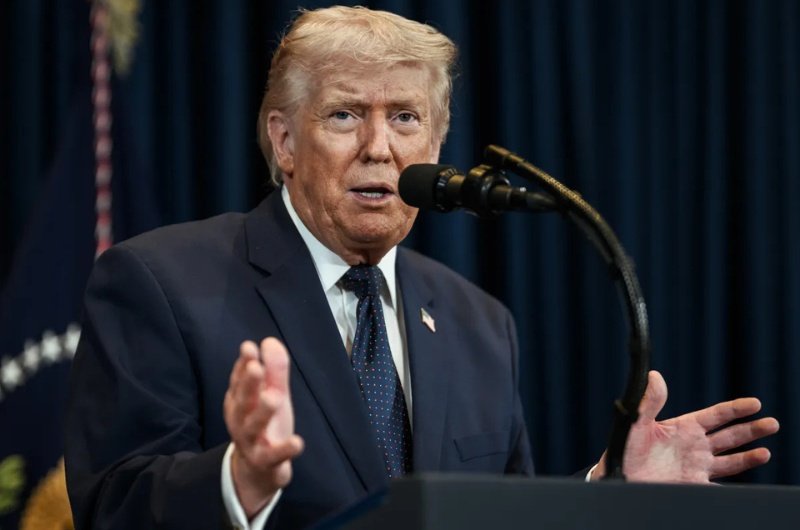
As tensions in the Middle East continue to escalate, President Donald Trump has issued a stark warning to Iran: any further attacks on Qatar could trigger a direct and devastating U.S. response targeting one of Iran’s most critical energy assets. The warning centers on Iran’s South Pars gas field, the largest natural gas reserve in the world and a cornerstone of the country’s energy supply. Trump stated that the United States would “massively blow up” the entire field if Iran launches additional strikes against Qatar’s energy infrastructure. The threat comes amid a rapid escalation in the region. Recent strikes targeting energy infrastructure have intensified fears of a broader conflict, with key Gulf nations now facing increased risk. Qatar, home to one of the world’s largest liquefied natural gas hubs, has already seen damage to critical facilities, raising concerns about global supply disruptions. Trump has also sought to distance the United States from earlier strikes in the region, emphasizing that Washington was not directly involved. However, his latest warning signals a clear red line: further escalation involving Qatar could draw the U.S. deeper into the conflict. The implications extend far beyond the region. Any direct strike on Iran’s primary gas infrastructure would not only deal a severe economic blow to Tehran but could also send shockwaves through global energy markets, impacting prices and supply chains worldwide.