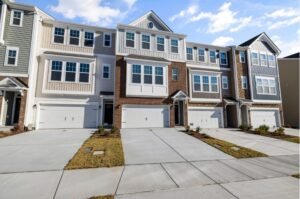
The U.S. housing crisis has reached a point where policymakers in Washington are now moving forward with new legislation aimed at expanding the nation’s housing supply. The proposal focuses on encouraging new construction, easing development barriers, and helping communities convert unused commercial buildings into residential housing.
For many Americans, the push comes years after housing affordability began slipping out of reach. Home prices and rents have climbed sharply across much of the country, leaving first-time buyers and younger families struggling to find attainable options.
Economists say the root of the problem is simple: the country does not have enough homes. Years of underbuilding, population growth, and changing migration patterns have created a housing gap that continues to put pressure on both buyers and renters.
The proposed legislation aims to encourage more development and remove obstacles that slow down housing construction. While the plan still faces debate in Congress, it reflects a growing recognition that the housing shortage is reshaping how Americans live, where they move, and whether homeownership remains possible for the next generation.