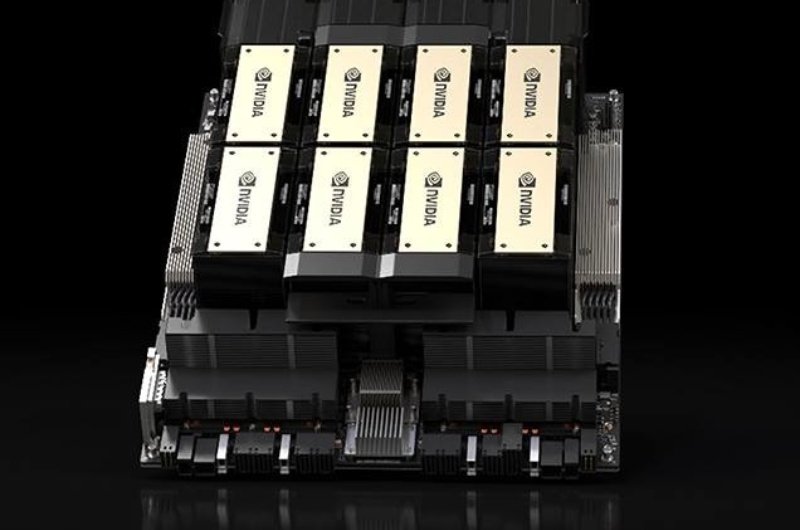
Nvidia is preparing to begin shipments of its next-generation H200 AI accelerators to China as early as mid-February, marking a significant development in the global competition for advanced semiconductor hardware. The move comes as companies across Asia search for high-performance chips that comply with U.S. export restrictions while still offering powerful AI training capabilities.
The H200 — a successor to the industry-leading H100 — delivers faster memory, improved efficiency and higher throughput, making it one of the most sought-after chips for AI development. While the company cannot sell its most powerful models under the current U.S. export rules, the China-compliant H200 variant is designed to remain within regulatory limits while still giving Chinese firms a substantial performance lift.
A Shift in the AI Hardware Balance
Analysts say the carefully calibrated H200 rollout highlights the delicate balance Nvidia must strike: sustaining revenue from a major global market while remaining aligned with Washington’s national security constraints. The company has already developed multiple tailored chips for China following increasingly strict rules on AI hardware exports.
The planned February timeline signals that Nvidia has completed technical and regulatory adjustments needed to resume broader sales in the region — a development being watched closely by both industry competitors and U.S. policymakers.
The Wider Lens
China remains one of the world’s largest consumers of AI-specific hardware, and even scaled-back chips tend to sell at high volumes. Nvidia’s ability to maintain presence in the market could influence everything from global supply chains to the pace of AI development in Asia.
Meanwhile, U.S. officials continue monitoring how much computing power exported chips provide, arguing that limiting access to cutting-edge hardware is essential to prevent military-grade AI systems from being built abroad.