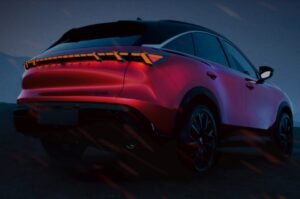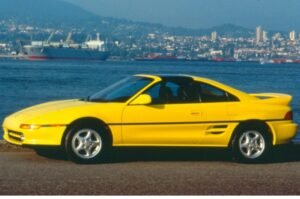



Rumors that Toyota may revive the iconic MR2 are slowly igniting the auto world, sparking fresh excitement among enthusiasts who’ve waited decades for its return. Even without official confirmation, the reaction alone shows how deeply nostalgia runs in modern car culture. A recent Yahoo report renewed speculation about the MR2’s comeback, amplifying a wave of industry chatter that Toyota could be preparing to tap one of its most beloved performance legacies. Toyota hasn’t commented on the reports, but the buzz fits a broader pattern: legacy automakers increasingly reaching into their archives to shape what comes next.
In an era dominated by SUVs, hybrids, and electrification mandates, the return of a performance-forward sports car would be a striking brand move for Toyota. It would signal that even as the company pushes hard into EVs and next-generation powertrains, it still recognizes the emotional power of enthusiast vehicles. The halo effect of a revived sports car — whether Supra-adjacent or a resurrection of something even more storied — can reinforce identity, draw younger buyers, and reconnect a brand with the passionate communities that shaped its rise.
Auto history shows why revivals matter. Ford reignited global interest when it brought back the Bronco. General Motors transformed the Corvette into a mid-engine icon. Even Nissan’s Z car proved that legacy nameplates can thrive in a modern market when they respect heritage while embracing current design and tech. When done well, a comeback car becomes more than a nostalgic throwback — it becomes a brand statement of confidence.
A revived Toyota sports model would also create ripple effects in collector markets. Legacy performance cars typically see a surge in value and cultural relevance when their modern counterparts arrive. The release of a new version often redefines the entire lineage, prompting enthusiasts to reevaluate earlier generations, aftermarket communities to expand, and automakers to leverage merchandising, licensing, and motorsport tie-ins. It becomes a full-cycle brand ecosystem, not a one-off product launch.
Whether Toyota ultimately confirms the revival or lets the speculation simmer, the excitement reveals something bigger: the auto world isn’t done with emotional driving. Consumers may want efficiency, safety, and software — but they also want soul. If Toyota steps back into its sports-car heritage, it will be tapping into a cultural memory that still carries weight, value, and the power to redefine a brand’s future.