

Two major fast-food franchise operators have entered bankruptcy proceedings as America’s restaurant industry confronts declining sales, rising operating costs, and growing competition for customers. On November 16, Tasty Chick’n, an operator of Kentucky Fried Chicken (KFC) and Taco Bell restaurants, filed for Chapter 11 bankruptcy protection. The filing follows the September bankruptcy of Meritage Hospitality Group, a major Wendy’s franchise operator whose financial difficulties have prompted the burger chain to pursue the acquisition of up to 163 restaurants.
Tasty Chick’n operates 75 KFC restaurants and nine combined KFC/Taco Bell locations across 10 states. According to information disclosed in its bankruptcy proceedings, the Texas-based operator experienced three consecutive years of declining sales while food, labor, rent, and other expenses continued to pressure profitability. Restaurant-level profit margins fell from 11.8% in 2023 to approximately 4% in 2026, while the company accumulated roughly $15.7 million in unpaid royalties, advertising contributions, and other franchise-related fees. The operator is pursuing a potential sale of its restaurants as part of its restructuring.
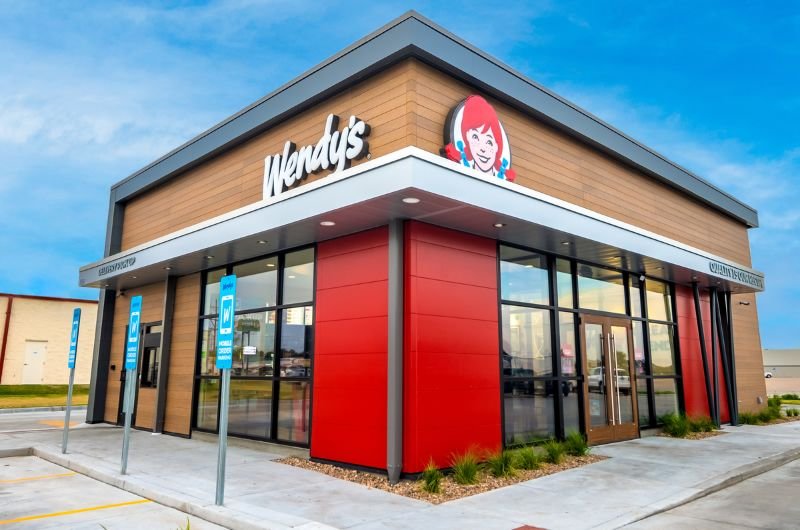
Wendy’s faces a different but equally significant challenge involving Meritage Hospitality Group, which filed for bankruptcy protection in September. On November 4, Wendy’s signed a letter of intent to acquire up to 163 Meritage-operated restaurants, subject to a definitive agreement, competing offers, and bankruptcy court approval. The proposed transaction comes as Wendy’s works to strengthen its own business. In financial results released November 5, the company reported a 5.7% decline in sales at established U.S. restaurants during the third quarter of 2026 and outlined a multiyear strategy aimed at attracting customers, improving restaurant profitability, and strengthening its franchise network.
The bankruptcies underscore a critical distinction in the fast-food business: KFC, Taco Bell, and Wendy’s have not themselves filed for bankruptcy. Their restaurants are operated through networks that include independent franchisees responsible for their own financial obligations. Those operators must manage employee wages, food purchases, property expenses, franchise payments, and sometimes costly restaurant renovations. When sales decline while expenses remain elevated, even a familiar restaurant operating under a nationally recognized brand can face serious financial trouble.
The challenges also extend beyond individual balance sheets. Fast-food companies are competing for increasingly selective consumer spending, while grocery retailers, prepared-food providers, and home cooking offer alternatives to traditional restaurant meals. Convenience and affordability remain powerful advantages for established chains, but customers have more choices about how to spend their food budgets. For restaurant operators, maintaining profitability may depend on delivering value while controlling costs and adapting to changing expectations.
The Readovia Lens
America’s fast-food industry is confronting a difficult combination of financial pressure and changing consumer expectations. The bankruptcy proceedings involving Tasty Chick’n and Meritage Hospitality Group illustrate how vulnerable individual franchise operators can become when declining sales collide with rising costs and accumulated financial obligations.
The broader challenge for restaurant chains is maintaining a business model that works for customers, franchise operators, and corporate owners alike. National brand recognition can bring customers through the door, but it cannot guarantee that every restaurant remains profitable.
The competition for America’s next meal is intensifying, and even some of the country’s most recognizable fast-food names are discovering that familiarity alone is not enough.