With a faster creative cycle and runway-to-store model, Gucci’s new leadership is reinventing how luxury responds to cultural momentum.
After years of fluctuating growth, Gucci is finding fresh traction under its new creative direction led by Demna Gvasalia (known as “Demna”), whose approach blends bold immediacy with disciplined execution. Early data suggests the strategy — emphasizing quicker turnarounds from runway to retail — is delivering encouraging results in both sales and social engagement.
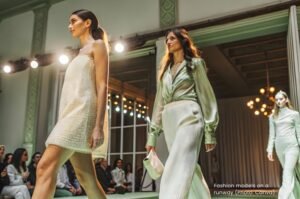
Rather than relying solely on long lead times and seasonal drops, Gucci’s new model prioritizes speed-to-market and tighter integration between design, production, and marketing. The shift allows the brand to capitalize on viral runway moments while maintaining the craftsmanship expected of a legacy house.
Industry analysts note that this hybrid model mirrors tactics more common in streetwear and fast luxury, where the line between aspiration and accessibility is becoming increasingly fluid. By compressing the creative cycle, Gucci is positioning itself to respond to consumer demand with precision — and to stay culturally relevant in a fast-moving market.
Demna’s influence is already evident in early collections: sleek tailoring, sharper silhouettes, and a renewed focus on minimalist design — a marked contrast to the maximalism of the Alessandro Michele years. Retail partners have reported improved sell-through rates, particularly for capsule releases tied to social media-driven campaigns.
Final Word
Gucci’s accelerated strategy signals a new era in luxury — one where creativity and commerce move in sync, and relevance is measured not by tradition, but by timing.