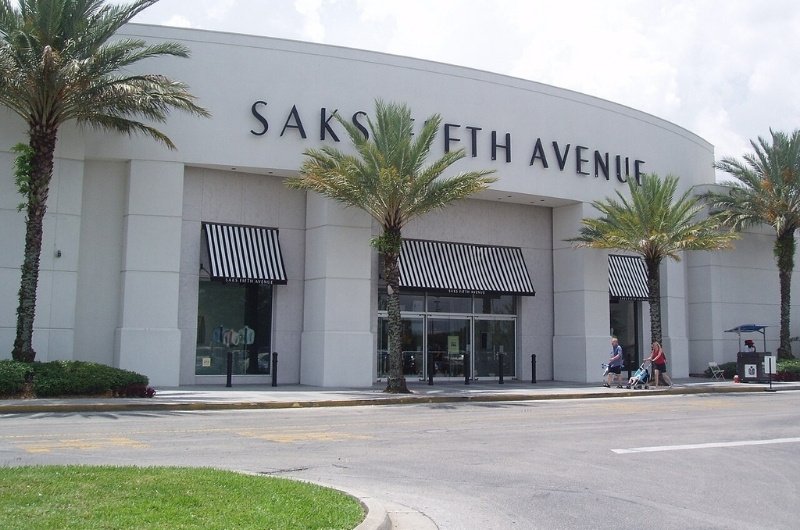
Saks Global filed for Chapter 11 bankruptcy protection on Tuesday, underscoring the growing challenges facing traditional luxury retailers in a post-pandemic economy shaped by higher costs and changing consumer habits.
The company, which owns Saks Fifth Avenue, Neiman Marcus, and Bergdorf Goodman, said it plans to keep stores open while restructuring its finances. Customer loyalty programs and normal operations are expected to continue during the bankruptcy process.
Saks Global expanded aggressively after the pandemic, using mergers and low-interest borrowing to scale its business. That approach worked briefly during the luxury spending rebound, but rising interest rates and mounting debt quickly narrowed the company’s margin for error. As costs climbed, the balance sheet became increasingly difficult to sustain.

At the same time, the company experimented with new distribution strategies. Saks recently launched a storefront on Amazon, signaling an effort to meet luxury shoppers where they already spend time online. While the move reflected changing consumer behavior, it also highlighted how far legacy luxury retailers have been pushed to adapt outside traditional department-store models.
Luxury retail itself has been undergoing a broader shift. Shoppers who once relied on department stores are increasingly buying directly from brands, shopping online, or prioritizing experiences over high-end purchases. While some luxury brands have successfully leaned into direct-to-consumer models, department-store-style operators continue to face structural challenges.
Industry observers say Saks Global’s restructuring will serve as a key test for whether large luxury retail groups can adapt to today’s environment. The outcome may shape how other legacy retailers approach growth, debt, and long-term sustainability in a sector that no longer operates by pre-pandemic rules.