


Cozy, Nostalgic & Resilient — 2025’s Home Design Reflects Wellness and Weather-Proofing

Comfort Reimagined The modern home has entered a new era — one defined as much by comfort and security as by style. In 2025, design trends are merging aesthetic nostalgia with climate resilience, giving rise to spaces that feel emotionally grounding yet structurally prepared for what’s next. Across the country, homeowners are downsizing formal rooms, emphasizing cozy corners, and incorporating natural light and tactile textures. Plush seating, soft woods, and muted earth tones are replacing the sterile minimalism of the past decade. The Return of the Personal Sanctuary What once began as a post-pandemic return to “home as sanctuary” has evolved into a sustained lifestyle shift. People are spending more time indoors, investing in what designers call emotional architecture — layouts and materials that promote calm, focus, and a sense of renewal. Even high-end buyers are prioritizing comfort over prestige, turning attention to functionality, sustainability, and spaces that feel lived in rather than displayed. Designing for the New Normal Beyond comfort, resilience is the new must-have feature. Whole-home battery backups, weather-resistant exteriors, and smart flood barriers are appearing alongside solar installations and sustainable materials. In regions prone to hurricanes or wildfires, “climate-ready design” has become a selling point, not an afterthought. Builders and remodelers are adapting, blending aesthetics with practicality. Today’s design conversation is no longer about what looks good — but what lasts. The Emotional Equation The resurgence of vintage décor and nostalgic color palettes signals something deeper than taste: a craving for continuity in an uncertain world. In every way, the 2025 home reflects the emotional state of its inhabitants — grounded, resourceful, and quietly optimistic. Readovia Insight The new home aesthetic is less about trend and more about truth — a return to the kind of living that values comfort, preparedness, and personal connection over spectacle. As climate and culture reshape how people live, the homes that endure will be those that blend heart with resilience.
Feature: When Appetite Fades — Weight Loss Drugs and the Shift in Social Dining

The New Appetite Landscape At restaurants across the country, chefs are noticing a subtle but unmistakable change. Tables still fill up, the glasses still clink — but plates come back with more left behind. Diners are skipping the bread basket, ordering lighter entrées, and leaving dessert untouched. This quiet transformation is being fueled not by a new diet craze but by a new class of medication. Weight-loss drugs such as Ozempic, Wegovy, and Mounjaro — originally designed for diabetes — are reshaping how people think about food, fullness, and even social connection. A Biological Recalibration These drugs work by mimicking GLP-1, a hormone that regulates blood sugar and appetite. The result is a biological recalibration of hunger itself. Users often report smaller cravings, an early sense of fullness, and a fading interest in rich or high-calorie meals. That internal shift is spilling outward into society. Restaurant spending patterns are evolving, grocery sales are dipping, and even alcohol consumption is down among regular users. What was once a personal health decision is now a cultural force with real economic impact — one that’s beginning to rewrite the rhythms of modern dining. Dining Less, Differently Early signs of change are showing up everywhere. Industry reports point to smaller average checks in urban restaurants, lighter lunch traffic, and lower sales of desserts and cocktails. In food-centric cities like New York, Austin, and Los Angeles, restaurateurs say the change is subtle but noticeable — a new kind of restraint at the table. Instead of ordering a three-course meal, diners may choose one high-quality entrée. Some restaurants have started quietly introducing “half-portion” or “light tasting” options to appeal to guests whose appetites are now smaller but more discerning. It’s not just about eating less — it’s about eating differently. Meals are becoming more curated, with focus shifting from indulgence to experience, and from quantity to connection. Social Dining Redefined For decades, dining out has served as a social anchor — the universal backdrop for celebrations, business deals, and daily catch-ups. But when appetite diminishes, so does one of life’s most reliable social scripts. Some professionals are already trading the classic business lunch for coffee meetings or virtual chats. Couples share fewer appetizers and split entrées. Friends meet up but opt for “drinks only,” sipping sparkling water or tea instead of ordering dinner. Sociologists call it a behavioral echo effect — when individual choices ripple outward to reshape group norms. In this case, the appetite-suppressing effect of GLP-1 medications may be changing how people gather, celebrate, and maintain social bonds. The Restaurant Response In the face of shifting habits, restaurants are adapting. Many are redesigning menus to feature smaller plates, protein-forward dishes, or customizable portions. Others are emphasizing storytelling, presentation, and atmosphere — creating a reason to dine that extends beyond the food itself. High-end establishments have an advantage: they already focus on sensory experience, where flavor, art, and service blend into an immersive event. Casual dining, however, may face tougher challenges. Fewer impulse desserts and cocktail orders translate directly into lower margins. Some restaurateurs are responding creatively — experimenting with wellness-oriented menus, portion-controlled tasting flights, or upscale mocktail programs. The goal isn’t to fight the trend, but to meet it gracefully. The Appetite Divide Not everyone is on these drugs, and accessibility remains unequal. Monthly costs can exceed $1,000 without insurance, and not all patients qualify. That means this appetite revolution is playing out primarily among higher-income consumers — the same demographic that drives much of the restaurant economy. This raises a question of cultural contrast: will America’s dining culture begin to split along appetite lines? For some, dining out may become more about design and conversation. For others, it remains rooted in abundance and flavor. Both experiences may coexist — but the balance is shifting. Economic Ripples Beyond the Table The effects extend beyond restaurants. Food manufacturers, grocery chains, and beverage companies are bracing for an era of moderated consumption. Some analysts project a decline in snack and soda sales as GLP-1 usage rises. Alcohol producers are watching closely too, as drink orders fall in parallel. Investors have already begun treating appetite suppression as a market signal — influencing not just the weight-loss industry but the broader food economy. What we eat, how much we eat, and why we eat are becoming powerful indicators of societal change. Appetite, Identity, and Ritual Food has always been more than sustenance. It’s ritual, reward, identity, and expression. Weight-loss medications complicate that relationship — not by removing enjoyment, but by rewriting the biological cues that fuel it. For some, that change feels liberating: freedom from cravings and diet cycles. For others, it can create a strange distance between desire and pleasure, especially in social settings where food plays an emotional role. This subtle tension — between biology and culture, health and ritual — may define the next phase of modern dining. Adapting the Culture of Eating The future of dining may look lighter, smaller, and more intentional. Restaurants could pivot toward “experience-first” models — combining art, community, and wellness under one roof. Coffee shops and wine bars may absorb more of the social energy once reserved for long meals. Meanwhile, technology will continue to shape new food experiences — from personalized nutrition tracking to immersive dining concepts where digital storytelling replaces the indulgence once found in abundance. Eating out may never vanish, but it’s evolving — from a ritual of excess to a reflection of balance. A New Kind of Fullness If appetite is no longer the centerpiece of dining, what takes its place? Connection, conversation, and curation. The new social meal may be less about what’s on the plate and more about who’s at the table — and why. Weight-loss drugs may be shrinking portions, but they’re also expanding a conversation about what we value in food, health, and community. The result isn’t the end of dining culture — its the next course.
Holiday Squeeze: Americans Brace for Higher Prices as 100% China Tariffs Loom

The holidays could look a little less merry this year for U.S. shoppers. President Trump’s proposed 100% tariffs on Chinese imports, set to take effect November 1, are sending shockwaves through the retail industry — and analysts say it’s the average American who will feel the sting first. Retailers across the country are rushing to stock up before prices spike, but for many, it’s too late. The National Retail Federation warns that everything from toys and electronics to apparel and furniture could see price hikes of 20% or more by Thanksgiving. Big-box chains are scrambling to adjust, while small businesses — already operating on thin margins — say they may have no choice but to pass costs directly to consumers. Economists argue the timing couldn’t be worse. The new tariffs hit just as inflation had begun to cool and consumer confidence was stabilizing. “We’re heading into the most important shopping season of the year with enormous uncertainty,” said one analyst, noting that middle-income households are already stretched by rising housing and insurance costs. “This could easily push spending into a downturn.” The White House maintains that the move is necessary to rebalance trade and protect U.S. manufacturing, but critics call it a political gamble disguised as economic strategy. Supply chain experts note that many American companies are still dependent on China for core components — meaning that even “Made in the USA” products could rise in cost as input prices climb. For everyday families, the impact may hit long before Black Friday. From laptops for students to holiday décor and kitchen gadgets, many household staples are about to get more expensive. As one shopper outside a Target in Virginia put it: “I was just starting to feel like I could breathe again — now it feels like we’re right back where we started.”
Australia Locks Under-16s Out of Social Media — and Yes, That Now Includes YouTube

Beginning December 10, 2025, Australia law will require social media platforms to restrict accounts for users under 16—or face steep penalties. Australia is set to run a world-first experiment in teen online life: a social-media “delay” until age 16. From December 10, platforms must take reasonable steps to prevent under-16s from creating or maintaining accounts. Parents and kids aren’t penalized; the burden—and liability—shifts to the companies. Officials say age checks should be effective but minimally invasive, meaning platforms are expected to strengthen behind-the-scenes age assurance, tighten teen-safety defaults, and act faster on accounts flagged as underage. Expect new sign-up flows, more prompts for age confirmation, and periodic sweeps to catch under-16 accounts. What to watch next: which services end up covered beyond the household names (think Discord, Reddit, Roblox), how companies redesign sign-up flows, and any legal challenges from platforms unhappy with the classification. Also watch the data: regulators plan to measure whether the policy actually reduces harms—or just pushes activity to workarounds. The woman behind the shift Australia’s eSafety Commissioner Julie Inman Grant—a former Big Tech executive turned regulator—has been the loudest voice pushing to include YouTube and tighten the system. She’s now the face of a policy other governments are eyeing as a template.
Julie Inman Grant, The Regulator Reshaping Teen Social Media in Australia

Australia’s eSafety Commissioner, Julie Inman Grant, has become the public face of a new approach to teen online safety: put responsibility on platforms and prove it works. With the under-16 account restrictions set to take effect on December 10, she’s pressing companies to deliver age checks that are effective without being intrusive—and to show measurable results, not just new settings pages. Inman Grant’s stance is pragmatic rather than punitive. She talks about “reasonable steps,” not blanket ID checks, and about layered signals that help identify under-age accounts while minimizing friction for everyone else. The message to product teams is clear: redesign the on-ramp, tighten defaults for teens, and build systems that catch and remove under-16 accounts consistently over time. Her influence is visible in the scope of the policy itself. After early debate about exemptions, regulators moved to treat YouTube like other social platforms—an acknowledgement of how teens actually use it: creators, comments, direct messages, and a highly personalized feed. That call reflects Inman Grant’s broader view that the line between “video site” and “social app” has effectively vanished for young users. She’s also preparing for the backlash cycle that tends to follow big safety moves. Expect questions about privacy trade-offs, false positives, and whether determined teens will simply route around restrictions. Inman Grant’s answer is to commit to measurement: track outcomes, publish effectiveness, and iterate if the data demands it. If the policy reduces harm without heavy-handed verification, Australia will become a template. If it stumbles, she’ll be the one fielding the questions—and pushing the next round of fixes. Bottom Line Inman Grant is a regulator who speaks product. As the December 10th rollout begins, she’ll test whether “minimally invasive” age assurance can actually deliver what years of safety promises haven’t: a system that keeps under-16 accounts restricted at scale—without turning the Internet into a checkpoint.
Stitch Fix Launches “Vision” — Seeing You in Shoppable Style

Stitch Fix today announced the launch of Vision, an AI-powered feature that lets customers visualize photorealistic images of themselves wearing recommended outfits — a first-of-its-kind step in virtual styling. The rollout represents the company’s most ambitious use of artificial intelligence to date, bridging the gap between fashion inspiration and personal visualization. Vision uses a combination of user data, stylist insights, and generative AI to create highly realistic outfit previews tailored to individual shoppers. The system analyzes fit, preference, and prior selections to show how recommended looks would appear on each person’s body type and style profile. Early testers have reported a noticeable boost in confidence when choosing items — and fewer returns. The announcement comes as fashion brands race to integrate AI into every stage of the shopping experience, from design and recommendation engines to customer engagement. For Stitch Fix, Vision could be the key to reigniting growth and positioning itself as a leading innovator in AI-driven retail. Industry analysts see the feature as part of a growing wave of “experiential AI,” where technology meets self-expression. Instead of static product photography, shoppers now interact with AI that adapts to their tastes — turning digital shopping into something more personal, immersive, and human. The Takeaway By letting customers see themselves in every look, Stitch Fix’s Vision blurs the line between styling and self-perception — signaling that the next era of fashion is both personal and predictive.
Blue Light Skincare Trend Rises

Beauty brands launched new lines targeting screen-related skin damage late Wednesday. Industry insiders see this as the next anti-aging frontier. The glow of our screens may be doing more than straining our eyes—it could also be aging our skin. Beauty brands are racing to address the growing concern over blue light exposure from digital devices, unveiling new skincare lines designed to protect against screen-related damage. Industry experts point to mounting research suggesting that prolonged exposure to high-energy visible (HEV) light may accelerate wrinkles, hyperpigmentation, and loss of elasticity. This has opened a lucrative new market, with blue light defense products being positioned as the next frontier in anti-aging. From serums infused with antioxidants to moisturizers boasting protective filters, companies are marketing these innovations as essential for modern lifestyles spent in front of laptops, phones, and tablets. Analysts predict this trend will only intensify as consumers grow more aware of digital-age skincare risks. The Author
Selfridges Releases 2025 Beauty Advent Calendar — Luxury Revealed

Selfridges has unveiled its highly anticipated Beauty Advent Calendar for 2025—an indulgent 37-piece collection priced at £250 (about $300), with a total value of £1,136. Inside, beauty lovers will discover cult-favorite brands and exclusive treats, including full-size gems from Charlotte Tilbury, Jo Malone, Augustinus Bader, and more. The calendar’s design echoes Selfridges’ signature flair—bright yellow, fashionably festive, and built to delight. Its contents include deluxe skincare, makeup, haircare, and fragrance picks from elite brands across the beauty spectrum, curated for daily luxury and discovery. Beauty editors are already calling it the season’s must-have, with limited early release and waitlist alerts signaling a fast sell-out risk. Given its extraordinary value and exclusivity, it’s not just a gift—it’s a statement piece for holiday beauty aficionados. Buy it here: Selfridges Beauty Advent Calendar 2025 — £250 / $300 The Author
The “Rich Mom” Look Just Got a Quiet Upgrade
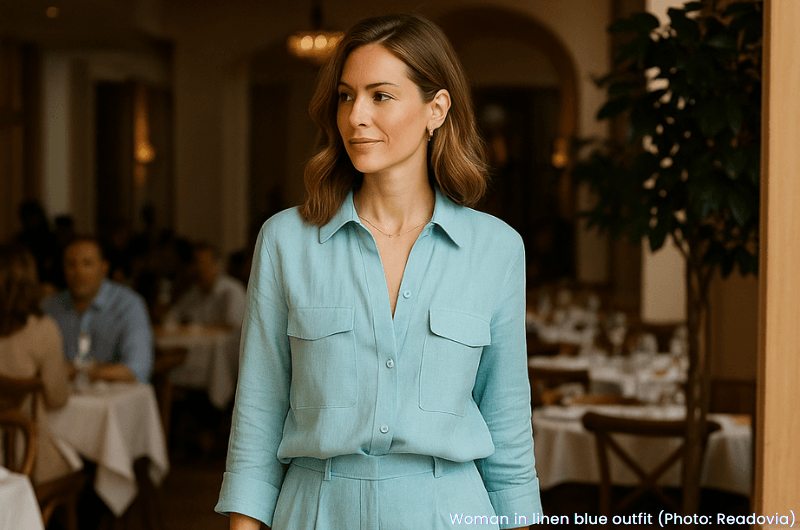
Less effort. More impact. Here’s how summer 2025 is redefining luxury. Once defined by blazers, ballet flats, and iced lattes on the go, the “rich mom” aesthetic has quietly evolved — and we’re here for it. The term first took off on TikTok and Instagram, where creators poked fun at effortlessly stylish women who looked like they owned lake houses and had strong opinions about almond milk. But somewhere between the memes and the manicures, the look became aspirational — and now, in 2025, it’s fully formed and fashion-backed. Today’s version trades flashy status symbols for flowy co-ords, buttery fabrics, and just-woke-up hair that somehow still looks perfect. Think linen sets in warm neutrals, vintage designer handbags, and delicate gold jewelry worn like she didn’t think about it twice — even though she absolutely did. Her vibe? Luxe, low-key, and completely unfazed. She shops in-person, reads hardcover books, and has three shades of tinted SPF in her tote at all times. She doesn’t need logos to signal status. Her glow speaks volumes. What sets this version apart is confidence and curation — a kind of inherited aesthetic intuition that says, “I know what I’m doing, and I’m not here to convince you.” It’s elegance without the performance. And it’s everything right now. The Author
What Americans Need to Know About the 2025 Tax Law Changes
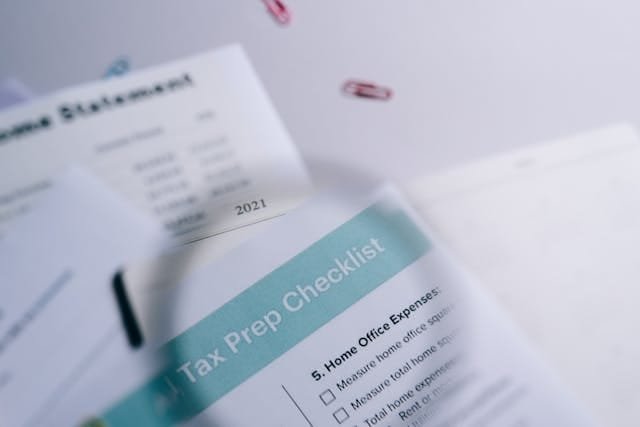
As 2025 tax season begins, a wave of new tax law changes is rolling in—and for millions of Americans, understanding these updates is crucial for smart financial planning. Whether you’re a wage earner, a small business owner, or preparing for retirement, here’s a breakdown of the most important shifts in the U.S. tax landscape this year. 1. The Standard Deduction Has Increased The IRS has raised the standard deduction again to adjust for inflation. For the 2025 tax year: Single filers can now deduct $15,000, up from $13,850 in 2024. Married couples filing jointly can deduct $30,000, up from $27,700. Heads of household can deduct $22,500. This change means fewer people may itemize their deductions, simplifying the filing process for many. 2. Child Tax Credit Adjustments The Child Tax Credit has been updated to provide continued support to families. For 2025: The maximum credit is $2,000 per qualifying child under age 17. The refundable portion (Additional Child Tax Credit) is up to $1,700. Phase-out thresholds begin at $200,000 for single filers and $400,000 for joint filers. 3. Changes for Gig and Freelance Workers Self-employed individuals and gig economy workers should take note of 1099-K reporting thresholds: The reporting threshold for third-party platforms (like Venmo, Etsy, or Uber) is $5,000, delayed from the originally planned $600 implementation. More people will receive 1099-K forms and must report that income. The IRS has also released updated guidance on how to categorize and deduct expenses related to freelance work. 4. Retirement Contribution Limits Have Increased To help Americans save more for retirement, contribution limits have gone up: 401(k): You can now contribute up to $23,500. Catch-Up (Age 50+): Additional $7,500. Special Catch-Up (Ages 60–63): Additional $11,250. IRA: The limit remains at $7,000 for those under 50, and $8,000 for those 50 and older. These increases are part of the Secure 2.0 Act changes. 5. EV and Green Energy Incentives Expanded If you’re going green in 2025, the tax code has some perks for you: Electric vehicle (EV) credits offer up to $7,500 for new EVs. Used EVs may qualify for up to $4,000, or 30% of the sale price. Home energy upgrades such as solar panels, efficient windows, and heat pumps may qualify for credits up to 30% of the cost. 6. Capital Gains and Investment Income While capital gains tax rates remain unchanged, the income thresholds have increased: 0% rate: Applies to taxable income up to $47,025 (single) or $94,050 (married filing jointly). 15% rate: Applies to income between $47,025 and $518,900 (single) or $94,050 and $583,750 (joint). 20% rate: Applies to income above those thresholds. The Net Investment Income Tax (NIIT) of 3.8% still applies to individuals earning more than $200,000 and couples over $250,000. 7. Expiring Provisions to Watch Several provisions from the 2017 Tax Cuts and Jobs Act (TCJA) are set to expire after 2025. Though these changes aren’t effective yet, experts suggest planning ahead: Individual income tax rate reductions Doubling of the standard deduction Increased estate tax exemption If Congress doesn’t act, many Americans could see higher tax bills in 2026. Navigating tax season can be tricky, but staying informed is half the battle. With these 2025 tax changes in mind, now’s the time to adjust your withholdings, revisit your deductions, and make sure you’re not leaving money on the table. As always, consult a trusted tax professional for personalized advice. Stay tuned to Readovia for more essential financial updates and smart money insights all year long.