


Mortgage Rates Fall to Lowest Levels Since 2022, Offering Buyers Fresh Relief

Mortgage rates have dropped to their lowest point since 2022, offering a welcome shift for homebuyers and homeowners after years of elevated borrowing costs. The average 30-year fixed mortgage rate has now fallen to 6.06%, marking a notable decline from the 7%-plus levels that dominated much of 2024 and early 2025. According to data from Freddie Mac, this marks the lowest reading in more than three years. The 15-year fixed rate has also eased, giving borrowers additional flexibility as affordability pressures begin to soften, even if modestly. The decline reflects a broader cooling in financial markets, driven by easing inflation trends and expectations that interest rates may remain stable or trend lower in the months ahead. Mortgage rates typically track long-term Treasury yields, which have fallen as investors grow more confident that the most aggressive phase of rate tightening is behind us. Early signs suggest buyers are responding. Mortgage application activity has picked up, and some real estate agents report renewed interest from buyers who had been sidelined by higher monthly payments. Refinancing interest is also beginning to return, particularly among homeowners who purchased or refinanced near recent rate peaks. Still, today’s rates remain well above the historic lows seen earlier in the decade, and housing affordability remains strained by elevated home prices and limited inventory. Whether this rate drop marks the beginning of a sustained trend or a temporary pause will depend on economic conditions in the months ahead — but for now, borrowers are getting their first real taste of relief since 2022.
How More Americans Are Quietly Recalibrating Their Lives in 2026

For a growing number of Americans, 2026 isn’t about chasing “the next big thing.” It’s about recalibrating how they live — quietly, intentionally, and on their own terms. Rising living costs, job uncertainty, and burnout from years of instability have pushed many people to reassess priorities. Instead of dramatic career leaps or flashy lifestyle changes, more Americans are opting for smaller resets: simplifying schedules, reevaluating commitments, and creating space for what feels sustainable. Mental health professionals say the shift reflects a deeper cultural recalibration. People are redefining success around stability, flexibility, and peace rather than constant upward momentum. Remote work, side income streams, and intentional downtime are increasingly seen as tools for balance rather than indulgence. This quieter approach doesn’t signal a loss of ambition. Instead, it points to a growing awareness that long-term well-being depends as much on clarity and alignment as it does on progress.
The Rise of “Second Christmas”: Why More Families Are Embracing an Extended Holiday Tradition

While Christmas Day often carries the weight of expectation — family schedules, long drives, crowded homes, and carefully choreographed moments — a quieter holiday tradition is gaining fresh attention in the United States: Second Christmas. Long celebrated across Europe and observed in some American communities, including Amish households, Second Christmas (traditionally December 26th) offers something rare in modern life: a built-in pause. It’s a day meant for slower gatherings, relaxed meals, casual visits, winter walks, and time with extended friends and family who didn’t fit into the intensity of Christmas Day. A Softer Follow-Up to a Busy Holiday Unlike the high-pressure rhythm of December 25th, Second Christmas shifts the focus away from gifts, travel, and time slots — and toward connection. Families who observe it describe it as the “exhale” of the holiday season, a day where no one rushes, the meal is simple, and the goal is to enjoy the moments that didn’t fit into the first celebration. For many, it’s a way to stretch the meaning of Christmas rather than the commercial side of it. Instead of repeating the intensity of the holiday, the day is used for something gentler: leftovers, card games, calling old friends, or hosting another round of family who couldn’t make the main event. A Tradition Rooted in History Second Christmas has deep cultural roots. In countries such as Germany, the Netherlands, and the Nordic region, the “Second Day of Christmas” is a national holiday built into the calendar. In the U.K., it aligns with Boxing Day, and in parts of the Christian world, it coincides with St. Stephen’s Day. While practices differ, the central idea is the same: one day isn’t enough to fully celebrate or fully rest. Why It’s Resonating in America Today Modern family life is more complex than ever — blended households, long-distance relatives, competing schedules, and the rise of remote work have all stretched the traditional holiday calendar. Second Christmas is emerging as a natural solution. Instead of packing every obligation into a single 24-hour window, families are spreading the holiday over two days, making room for: Multiple households Easier travel Reduced stress More meaningful time with loved ones Less pressure on Christmas Day itself For some, it simply means waking up on the 26th with nowhere they have to be — a rare gift in itself. A Tradition Finding New Momentum Whether celebrated formally or improvised out of necessity, Second Christmas offers something undeniably modern: permission to slow down. At a time when the holidays can feel busy, loud, and overstuffed, the idea of an intentional, peaceful follow-up day is resonating with more families each year. In a world that rarely pauses, Second Christmas is becoming a small but meaningful way to reclaim a bit of rest — and a bit of joy — before the year ends.
How Social Media and Shopping Are Quietly Rewiring Gen Z Spending Habits

For years, Gen Z was framed as the generation most likely to spend impulsively, driven by social media trends and viral shopping culture. But new patterns suggest a shift is underway. While platforms like TikTok and Instagram still influence what young consumers buy, they are also reshaping how and why Gen Z spends — often in more cautious and intentional ways. Social media remains a powerful discovery engine, exposing users to products, brands, and lifestyles at unprecedented speed. But unlike earlier generations, Gen Z consumers are increasingly resistant to pressure-driven splurging. Many are blending inspiration with restraint, using social platforms to research purchases, compare alternatives, and delay buying rather than act immediately. Economic realities are playing a role in that recalibration. Higher living costs, student debt concerns, and job-market uncertainty have made younger consumers more selective. Instead of frequent impulse purchases, many are prioritizing versatility, resale value, and long-term usefulness. Thrift culture, secondhand marketplaces, and “no-buy” or “low-buy” challenges have gained traction alongside influencer marketing. At the same time, Gen Z is redefining what counts as a worthwhile purchase. Experiences, wellness, digital tools, and self-improvement products often outrank traditional status symbols. Social media reinforces this shift by elevating narratives around financial transparency, budgeting, and lifestyle sustainability — content that resonates with a generation navigating adulthood under economic pressure. The result is a quieter but meaningful rewiring of consumer behavior. Gen Z hasn’t rejected shopping culture, but it has reshaped it, blending influence with skepticism and aspiration with caution. As social platforms continue to evolve, so too will the spending habits of a generation learning to balance visibility, value, and financial survival in real time. ————– Related: No-Buy 2025: How Gen Z Is Redefining Spending in a Volatile Economy
A Toyota Legend Might Be Returning

Rumors that Toyota may revive the iconic MR2 are slowly igniting the auto world, sparking fresh excitement among enthusiasts who’ve waited decades for its return. Even without official confirmation, the reaction alone shows how deeply nostalgia runs in modern car culture. A recent Yahoo report renewed speculation about the MR2’s comeback, amplifying a wave of industry chatter that Toyota could be preparing to tap one of its most beloved performance legacies. Toyota hasn’t commented on the reports, but the buzz fits a broader pattern: legacy automakers increasingly reaching into their archives to shape what comes next. In an era dominated by SUVs, hybrids, and electrification mandates, the return of a performance-forward sports car would be a striking brand move for Toyota. It would signal that even as the company pushes hard into EVs and next-generation powertrains, it still recognizes the emotional power of enthusiast vehicles. The halo effect of a revived sports car — whether Supra-adjacent or a resurrection of something even more storied — can reinforce identity, draw younger buyers, and reconnect a brand with the passionate communities that shaped its rise. Auto history shows why revivals matter. Ford reignited global interest when it brought back the Bronco. General Motors transformed the Corvette into a mid-engine icon. Even Nissan’s Z car proved that legacy nameplates can thrive in a modern market when they respect heritage while embracing current design and tech. When done well, a comeback car becomes more than a nostalgic throwback — it becomes a brand statement of confidence. A revived Toyota sports model would also create ripple effects in collector markets. Legacy performance cars typically see a surge in value and cultural relevance when their modern counterparts arrive. The release of a new version often redefines the entire lineage, prompting enthusiasts to reevaluate earlier generations, aftermarket communities to expand, and automakers to leverage merchandising, licensing, and motorsport tie-ins. It becomes a full-cycle brand ecosystem, not a one-off product launch. Whether Toyota ultimately confirms the revival or lets the speculation simmer, the excitement reveals something bigger: the auto world isn’t done with emotional driving. Consumers may want efficiency, safety, and software — but they also want soul. If Toyota steps back into its sports-car heritage, it will be tapping into a cultural memory that still carries weight, value, and the power to redefine a brand’s future.
Thanksgiving Costs Are Rising — But Families Are Tweaking Tradition, Not Canceling It

Thanksgiving dinner is feeling a little different this year, and not just because turkey prices are climbing. Families across the country are adjusting their holiday plans — rethinking menus, scaling back portions, and leaning into shared creativity instead of big-ticket shopping lists. While many households will still put a turkey at the center of the table, more people are choosing smaller birds, inviting collaborative cooking, or replacing pricey dishes with crowd-pleasing alternatives. Grocery stores are offering strategic discounts to keep customers loyal, but shoppers are quickly discovering that the real savings come from flexibility and teamwork, not waiting for a last-minute deal. The shift is also reshaping expectations. Instead of the pressure to deliver a magazine-perfect feast, hosts are embracing simpler menus, potluck-style gatherings, and honoring recipes passed down through generations. It’s a move away from perfectionism and toward connection — a reminder that the heart of Thanksgiving isn’t the scale of the spread, but the people seated around it. For many, this year is becoming a master class in thoughtful planning. Buying ingredients earlier, comparing options and splitting responsibilities among family members isn’t new — but this year, it’s quickly becoming the strategy of choice. And in homes across America, the real luxury is time spent together — not whether the table looks like last year’s Instagram post. Thanksgiving has always been about gratitude, but this season feels especially intentional. A year of economic uncertainty is teaching families how resilient they really are, proving that tradition isn’t defined by price tags, but by love, laughter, and the stories shared long after the dishes are cleared.
The Re-Emergence of Phones That Do Less
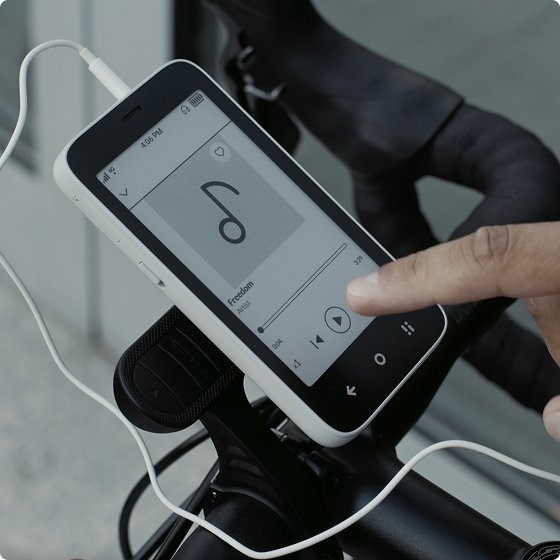
A growing number of consumers are trading in feature-packed smartphones for minimalist “digital-detox” devices designed to reduce constant stimulation and reclaim focus. Instead of high-resolution displays, infinite apps, and algorithm-driven feeds, these deliberately simple phones prioritize calling, texting, and basic tools — offering an escape from the flood of notifications that define modern digital life. The appeal is rooted in fatigue. After years of screen-time overload, remote work culture, and the mental strain of life lived through apps, many users are seeking technology that supports intentional living rather than dominating it. Minimalist phones often use E-Ink displays that mimic paper, limit app availability, and remove social-media platforms entirely. For some buyers, the shift is less about abandoning technology and more about creating healthier boundaries with it. Advocates of the movement say the benefits are measurable: more face-to-face interaction, deeper concentration, better sleep, and a renewed sense of calm without the constant pull to check a screen. Some users describe minimalist devices as a way to regain control, noting that modern smartphones often function more as attention-capture machines than productivity tools. Where owning the newest high-powered phone once symbolized status, the new luxury is the freedom to step away from digital noise. The trend is not without compromise. Minimalist phones can be expensive for what they offer, often costing more than mid-range smartphones while delivering a fraction of the features. Navigation, banking, email access, and photography may still require a separate full-function device, and the shift can feel jarring for those who rely on smartphones for work or travel. For that reason, many adopters choose a hybrid lifestyle — using a minimalist phone during evenings, weekends, or intentional break periods. Whether the movement becomes mainstream or remains a niche lifestyle choice is still unclear. But as more people prioritize mental health, time sovereignty, and real-world presence, digital-detox devices are becoming a symbol of a new kind of aspiration: technology that intentionally steps out of the way. In a world wired for constant connection, the ability to disconnect — even temporarily — may be the most valuable feature of all.
Cashmere, Coffee, and Calm: The Rise of Restorative Style

This winter, fashion is slowing down. After years of high-speed trend cycles and social-media styling frenzies, consumers are embracing what industry watchers call “restorative style” — a movement built around comfort, calm, and quietly elevated pieces that feel as good as they look. Retail data from Vogue Business and WWD show a surge in sales of cashmere, brushed wool, and knit accessories, with soft neutrals replacing loud logos. Designers are marketing not only the look but the feeling of luxury — warm textures, grounding palettes, and unhurried silhouettes meant to reset overstimulated wardrobes. It’s part fashion, part self-care. Brands like Totême, Khaite, and Loro Piana are leading the shift with tactile collections that invite touch and promise longevity. Even fast-fashion chains are dialing down excess, highlighting “mindful edit” capsules and investment basics. Color trends follow suit: cream, mocha, slate, and heather gray dominate runways and streetwear alike — shades that pair effortlessly with a latte and a slow Saturday. Jewelry trends echo the same restraint, with thin gold bands and sculpted silver pieces replacing statement chains. The result is a quieter kind of elegance — one that prioritizes how clothing feels, not just how it photographs. In a world still catching its breath, restorative style reminds us that calm can be couture.
The Holiday 100: Google Reveals the Gifts Everyone’s Searching for This Season

Google today released its Holiday 100 — the annual list of the most-searched gift ideas in America — and this year’s results say as much about the nation’s mood as they do about what will be under the tree. Built from billions of Google Shopping searches, the list highlights the products and categories seeing the biggest surges in interest, from red-light therapy masks to retro video game consoles. Unlike traditional gift guides, Google’s ranking isn’t editorially curated — it’s entirely powered by search data. That makes it one of the clearest reflections of consumer intent heading into the 2025 holiday season. Early standouts include movie projectors, which saw searches skyrocket by more than 900%, along with a surge in home fitness gear, fragrance sets, and AI-powered kitchen gadgets. The top fashion searches lean toward nostalgia, with “drop-waist dresses” and “crescent bags” making a comeback. The underlying theme: consumers are leaning toward comfort, creativity, and personal improvement — items that make everyday life feel a little more elevated or entertaining, even amid economic strain. Analysts say this signals a desire for “meaningful luxury” — affordable indulgences that balance practicality with joy. Retailers and marketers will be watching closely. The Holiday 100 captures what people want, and shapes what they’ll buy. As Google Shopping’s director of insights noted, “search trends are now the first indicator of retail momentum.” For brands and buyers alike, the list offers a snapshot of where culture — and commerce — are heading next.
Beauty’s Truth Era: Beyond the Filter, Real Skin Wins in 2025

After years of airbrushed perfection and algorithmic beauty standards, a new wave is reshaping the industry — one built on authenticity, transparency, and truth. Across runways, campaigns, and social feeds, real skin is back — pores, freckles, and all. The Great Unfiltering Consumers are tired of impossible ideals. What began as a quiet rebellion against hyper-filtered influencer culture has evolved into a global movement redefining what beauty looks like — and what it means. From major luxury houses to emerging indie brands, the industry is being challenged to step into what insiders call the “truth era.” Models appear makeup-free. Campaigns showcase diverse skin tones, textures, and ages. Even the language around beauty is shifting — from “perfect” and “flawless” to “healthy,” “radiant,” and “real.” What’s happening is anti-illusion. The Shift in Consumer Psychology The psychology behind this movement is as compelling as its aesthetic. After years of social media saturation, filters, and facial-editing apps, consumers — especially Gen Z and Millennials — are gravitating toward authenticity as a form of self-care. According to McKinsey’s State of Beauty 2025 report, 72% of consumers now say they value honesty and transparency from brands more than image-driven perfection. This shift aligns with the rise of skin-positive communities, minimalist routines, and ingredient-driven formulas that prioritize results over marketing promises. In short, consumers no longer want to look retouched — they want to feel restored. How Brands Are Adapting Leading beauty and skincare brands are taking note: Dove continues to set the tone with its “Real Beauty” campaigns, now entering their third decade. Glossier has embraced unfiltered skin photography and models who visibly glow rather than conceal. Estée Lauder Companies and L’Oréal are pivoting their marketing to emphasize efficacy, health, and emotional confidence. Luxury houses such as Chanel and Dior are featuring older models and relaxed skin textures in editorial photography — signaling that refinement doesn’t require retouching. The most successful brands are blending science and sincerity — merging dermatological credibility with emotionally intelligent storytelling. The New Luxury: Confidence Over Concealment Luxury beauty is evolving beyond formulas and price points. In the new landscape, luxury is not about excess — it’s about self-trust. Minimalist routines, clean ingredients, and time-efficient rituals are now status symbols. Consumers are drawn to products that empower rather than conceal, that feel personal rather than performative. In this context, confidence has become the new couture. Between the Lines The “truth era” is redefining artistry. Authenticity can coexist with aspiration. What’s changing is the lens: beauty now reflects humanity, not perfection. For brands, influencers, and media alike, the message is clear — real skin wins.