


BREAKING NEWS: Former Virginia Lt. Gov. Justin Fairfax and Wife Dead in Apparent Murder-Suicide
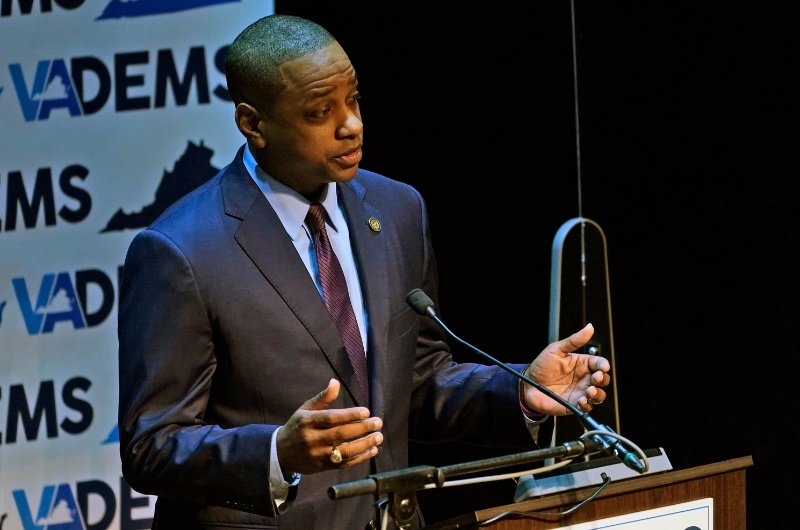
Former Virginia Lt. Gov. Justin Fairfax and his wife, Cerina Fairfax, were found dead Thursday inside their Annandale, Virginia home in what authorities are investigating as an apparent murder-suicide. Police said Fairfax is believed to have fatally shot his wife before taking his own life. Officials said the couple’s children were inside the home during the incident. The tragedy has stunned many across Virginia, where Fairfax once held one of the state’s highest offices and was widely viewed as a rising political figure. Fairfax was elected lieutenant governor in 2017 and later became a prominent name during a turbulent period in Virginia politics. His political rise was severely damaged in 2019 after two women publicly accused him of sexual assault in separate incidents. Fairfax denied the allegations, but the controversy triggered calls for his resignation, led to his departure from a major law firm, and shadowed his later campaign for governor. He left office in 2022. The Readovia Lens Beyond the headlines is a devastating reminder that private turmoil can carry public consequences. It is also a sobering moment about family trauma, unresolved conflict, and the unseen crises that can unfold behind closed doors. The deeper lesson is clear: seek professional help, create distance, or part ways before a situation spirals out of control.
Trump Administration to Launch Tariff Refund Portal as Billions Could Flow Back to Businesses
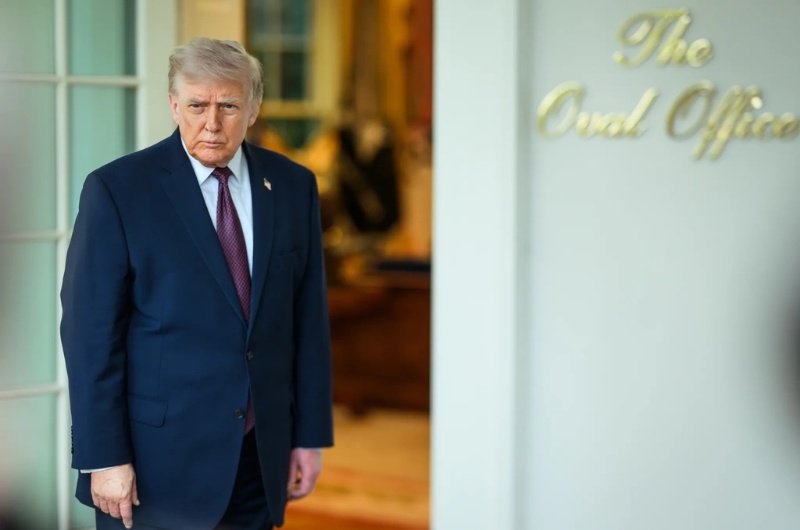
The Trump administration is preparing to launch a new tariff refund portal on April 20, opening the door for billions of dollars in repayments to U.S. businesses that paid tariffs later ruled unlawful. The platform is expected to streamline claims and allow eligible importers to seek electronic refunds through a centralized system. More than 330,000 importers were impacted across millions of shipments, with total repayments potentially reaching into the hundreds of billions. Officials are expected to begin with simpler claims first, while more complex cases could take longer to review and process. For many companies, the refunds could provide a meaningful financial boost at a time when higher operating costs and economic uncertainty continue to weigh on margins. Smaller businesses may face a different calculation, deciding whether the time and expense of filing claims is worth the potential payout. The Readovia Lens This policy update is a reminder that trade decisions can ripple through the economy for years, influencing prices, supply chains, and business stability long after the headlines fade. It is also a reminder that justice prevails — even though it may sometimes arrive late. And it underscores the enduring power of the Supreme Court to enforce policy, reshape markets, and help preserve a healthy business landscape with a single ruling. ——————– Related: $166 Billion Tariff Refund Expected as New U.S. System Prepares to Launch
Federal Student Loan Rules Are Changing in 2026 — What Borrowers Need to Know

Millions of Americans with federal student loans may soon face a very different repayment system. Beginning July 1, 2026, new borrowers are expected to enter a simplified structure built around fewer repayment options and updated borrowing limits for certain graduate programs. At the center of the shift is a new income-driven model known as the Repayment Assistance Plan (RAP), designed to align monthly payments more closely with income while reducing the risk of runaway balances. Supporters say the goal is to make repayment easier to understand and more manageable over time. Advertisement The changes also tighten borrowing rules for many future graduate students. New annual and lifetime caps are expected to apply to several advanced degree programs, while the Grad PLUS loan pathway will be phased out for future borrowers. Undergraduate federal loan limits are expected to remain unchanged. Current borrowers with loans taken out before the new rules begin may have more flexibility, but experts say now is the time to review repayment plans, understand deadlines, and avoid being caught off guard by future transitions. The Readovia Lens Student debt has shaped major life decisions for an entire generation. When repayment rules change, the impact can reach far beyond monthly bills — influencing careers, homeownership, family planning, and how people move through adulthood. Caption: New federal student loan rules set to begin in 2026 could reshape repayment options and borrowing limits for millions of Americans.
Birthright Citizenship Fight Returns to Supreme Court in High-Stakes Legal Clash
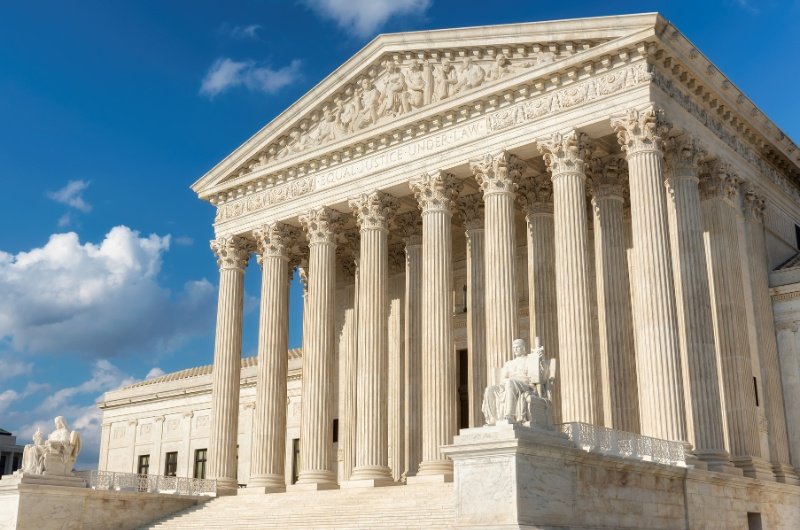
The U.S. Supreme Court is once again at the center of a high-stakes legal fight over birthright citizenship, placing one of the nation’s most debated constitutional questions back in the national spotlight. The case has renewed attention on whether citizenship granted by birth on U.S. soil can be limited through executive action or whether such a change would require a broader constitutional path. At the center of the debate is the Fourteenth Amendment, which has long been understood to guarantee citizenship to most people born in the United States. Supporters of that interpretation argue the language is clear and foundational, while critics say the amendment has been applied too broadly in the modern era. Any ruling or major development tied to the issue could carry sweeping consequences for immigration policy, federal authority, and future legal challenges. It could also shape the national conversation heading into a heated political season, where border security and citizenship remain defining issues for many voters. For now, the broader policy remains unchanged. But the renewed focus from the nation’s highest court ensures the debate over who becomes an American citizen at birth is far from settled. The Readovia Lens Some court cases resolve disputes. Others reopen questions the country thought were already answered. This one may do both.
United Pitches American Airlines Deal That Could Redraw the Friendly Skies

United Airlines CEO Scott Kirby reportedly raised the idea of merging with American Airlines during discussions with Trump administration officials — a move that could dramatically reshape the U.S. airline industry if it ever advanced beyond the exploratory stage. No formal deal has been announced, and it remains unclear whether conversations moved beyond the concept itself. If such a merger were pursued, it would create one of the largest airlines in the world and significantly expand the combined carrier’s domestic and international reach. Supporters could argue scale matters in a global market where U.S. airlines compete with large foreign carriers on premium international routes. The timing is notable, as airline executives have also warned that rising fuel costs tied to Middle East tensions could eventually push fares higher and pressure profitability. Advertisement But the political and regulatory obstacles would be enormous. U.S. airline consolidation has already reduced the field to a handful of dominant carriers, and any tie-up between two major legacy airlines would likely trigger fierce antitrust scrutiny over fares, routes, airport gates, and consumer choice. For travelers, the immediate impact is zero. Flights, loyalty programs, and schedules remain unchanged. Right now, this is a story about possibility. The Readovia Lens Even rumors of mega-mergers can move markets and shift expectations. For consumers, fewer competitors can mean less pricing pressure. For investors, bigger often sounds better — at least at first glance.
Millions on Medicaid Could Face New Work Rules as States Await Federal Guidance

A major Medicaid policy shift is moving closer to reality, with states across the country waiting for federal instructions on how to implement new work requirements that could affect millions of Americans who rely on the program for health coverage. The changes are scheduled to begin in 2027, but many of the most important details are still unresolved. Under the new framework, some adults may need to document a set number of monthly hours through employment, job training, volunteer service, or other qualifying activities in order to remain eligible. Exemptions are expected for certain groups, but states and insurers say they still need clearer rules on who qualifies and how verification should work. The challenge may go beyond policy. State agencies are expected to update computer systems, train staff, launch outreach campaigns, and process additional paperwork on tight timelines. Health policy experts warn that when systems become more complex, eligible people can lose coverage over reporting errors, missed notices, or confusion rather than true ineligibility. For families, the biggest question may be simple: what happens next? Because Medicaid is administered jointly by states and the federal government, the experience could look different depending on where someone lives. Some states may move quickly, while others may seek delays or phased rollouts. The Readovia Lens When healthcare rules change, uncertainty often arrives before the policy itself. For millions of households, the real issue may be whether they can keep the coverage they already depend on.
U.S. Begins Naval Blockade of Iranian Ports as Oil Prices Surge and Ceasefire Strains

The United States has begun a naval blockade aimed at ships entering and leaving Iranian ports after diplomatic efforts over the weekend failed to produce a breakthrough. The move marks a sharp escalation in an already tense conflict zone tied to one of the world’s most important energy corridors. Officials said the operation is focused on Iranian port activity and nearby coastal access points, while broader commercial movement through the Strait of Hormuz is expected to continue for now. Earlier, two U.S. warships sailed through the Strait of Hormuz to help establish a new route for merchant vessels, signaling a more active American role in protecting commercial traffic as tensions with Iran remained high. Even so, the announcement has raised fresh concerns about how long normal shipping can continue if tensions deepen. Earlier two U.S. warships sailed through the Strait of Hormuz to help establish a new route for merchant vessels, signaling a more active American role in protecting commercial traffic as tensions with Iran remain high. Security analysts warn the blockade could trigger retaliation from Tehran, increase pressure on U.S. military assets in the region, and create new uncertainty for cargo routes already on edge. What begins as a targeted action can quickly become more complicated if the standoff expands. Markets responded immediately. Oil prices moved sharply higher as investors weighed the possibility of supply disruptions and slower shipping traffic. Because so much of the world’s energy trade moves through the region, even limited interference can send prices upward. For Americans, the effects may not stay overseas. Rising oil costs can filter into higher gasoline prices, more expensive deliveries, and renewed inflation pressure for households already managing tight budgets.
U.S. Considers Automatic Draft Enrollment as Military Readiness Concerns Grow
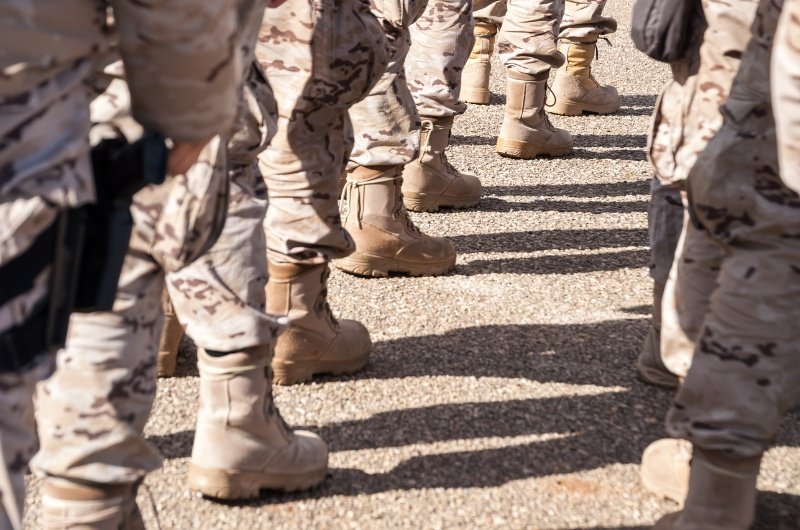
The Selective Service System is requesting a significant change to how the United States prepares for potential military mobilization, proposing a system that would automatically register young men for the draft. The move would eliminate the current requirement for individuals to sign up at age 18, shifting instead to automatic enrollment through existing government records. The proposal comes as the U.S. military continues to navigate ongoing recruitment challenges, after missing enlistment targets by tens of thousands in recent years. At the same time, the pool of eligible and willing recruits has narrowed, with fewer young Americans meeting service requirements or expressing interest in joining. While there is no active draft in place, Selective Service registration remains a legal requirement designed to ensure the government can quickly mobilize personnel if needed. Supporters of the change argue that automatic registration would modernize an outdated system and improve compliance, as thousands of eligible individuals fail to register each year. By streamlining the process, officials believe the U.S. could maintain a more accurate and complete database without relying on individual action, particularly at a time when long-term recruitment trends remain uncertain. At the same time, the proposal is likely to spark debate over privacy, government authority, and the broader implications of expanding automated systems tied to civic obligations. Questions may also arise about whether such a system could eventually be expanded or adapted in the future, especially as military planning evolves in response to global tensions. The Readovia Lens This moment reflects a subtle but meaningful shift in how the U.S. approaches national preparedness. Rather than asking individuals to opt in, the system may begin moving toward automatic inclusion — a change that signals both technological evolution and a more proactive stance on readiness. Even without an active draft, the infrastructure behind it is quietly being reshaped for a different era.
Up 1,000% in One Year: The Stock That’s Turning Heads on Wall Street

Shares of Lumentum have surged dramatically over the past year, climbing as much as 1,000% and capturing the attention of investors across the market. The rapid rise has been fueled by growing demand tied to artificial intelligence infrastructure, where high-speed optical and networking technologies play a critical role. As companies race to expand data capacity and support increasingly complex AI systems, firms positioned within this ecosystem have seen significant investor interest. Lumentum, which specializes in optical and photonic products, has found itself at the center of that trend. Its technology is used in data transmission systems that help power the backbone of modern digital communication, an area that has become increasingly important as AI workloads continue to grow. LITE stock chart by TradingView Earlier this year, Lumentum was added to the S&P 500, marking a milestone that underscores its growing relevance in the market. The stock’s surge reflects a broader shift in market focus. Investors are looking at software companies driving AI innovation, but also at the underlying hardware and infrastructure that make it possible. This has created new opportunities for companies operating behind the scenes, where demand is rising quickly but has historically received less attention. At the same time, such rapid gains often come with increased volatility. Stocks that experience sharp upward moves can also be prone to equally sharp pullbacks, particularly as expectations evolve and market sentiment shifts. The Readovia Lens This is what early positioning looks like. The biggest gains are rarely found in the most obvious names. They often emerge in the infrastructure supporting the trend, before it becomes widely understood. But the speed of this rise introduces a familiar tension. When a stock moves this far, this fast, the story becomes less about discovery and more about timing. ——————– Related: Why AI Infrastructure Stocks Are Surging Oil Prices Plunge After Ceasefire Deal — A Sudden Reversal Ripples Across Global Markets Beyond Nvidia: 4 Under-the-Radar AI Stocks Analysts Are Watching for 2026
Pope Leo XIV Calls Trump’s Iran Threat “Truly Unacceptable” as Global Tensions Peak

Pope Leo XIV delivered a sharp rebuke Tuesday following President Donald Trump’s warning that an entire civilization could be wiped out if Iran failed to meet a U.S. deadline tied to the Strait of Hormuz. Speaking to reporters outside his residence in Castel Gandolfo, Italy, the pope described the threat as “truly unacceptable,” pointing not only to concerns under international law but to the broader moral consequences of escalating conflict. “There are certainly issues of international law here, but even more so a moral issue for the good of the whole, entire population,” he said, urging leaders to consider the human cost. He specifically referenced innocent civilians, including children and the elderly, who would bear the brunt of any military escalation. The remarks came just hours after Trump issued a stark warning tied to an 8 p.m. Eastern deadline for Iran to reopen the vital shipping route. The president has also indicated that the United States has a plan targeting critical infrastructure, including power plants and bridges — actions that legal experts have warned could raise serious concerns under the laws of war. The pope’s comments add a powerful moral voice to a rapidly unfolding geopolitical crisis, highlighting the widening gap between strategic military calculations and humanitarian concerns as the situation intensifies. The Readovia Lens This is where the story shifts. The conflict is now about how far world leaders are willing to go, and who ultimately pays the price. When a global religious leader enters a conversation this directly, it signals something deeper. The focus shifts from strategy to conscience, as the world begins to question the morality behind the decisions being made. ——————– Related: Trump Warns “A Whole Civilization Will Die Tonight” as Iran Deadline Approaches