

Hurricane Melissa made landfall in eastern Cuba early Wednesday, striking the island’s southern coast with maximum sustained winds of about 120 mph (195 kph), just hours after devastating Jamaica with record-breaking intensity.
Cuban authorities said more than 735,000 people were evacuated from coastal towns and flood-prone areas before the storm came ashore near Guamá in Santiago de Cuba province. State media reported widespread flooding, power outages, and landslides across eastern provinces, while communications were disrupted in several areas.
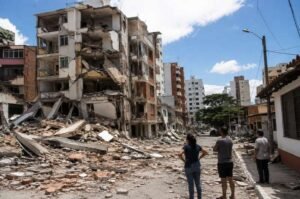
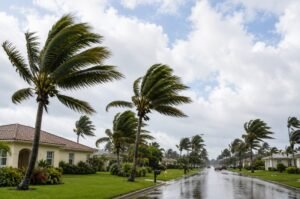
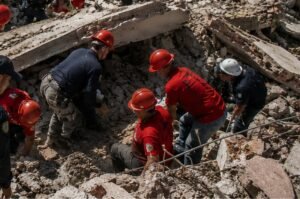
On Tuesday, Melissa pummeled Jamaica with winds up to 185 mph, flattening homes, uprooting trees, and cutting power to more than half a million residents. Officials described the hurricane as the strongest ever to hit the island, and rescue teams are still searching for people missing in the aftermath.
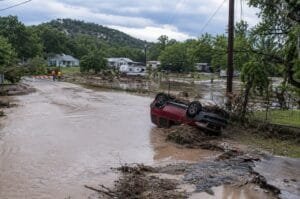
In Cuba, early images showed flooded streets, damaged roofs, and debris strewn across neighborhoods already coping with chronic shortages of fuel, food, and electricity. Emergency crews worked through the morning to clear blocked roads and restore communication lines as torrential rain continued to fall.
The U.S. National Hurricane Center warned that Melissa will continue moving north across the Caribbean Sea on Wednesday, bringing life-threatening storm surge, flash flooding, and landslides to parts of Cuba and the Bahamas before gradually weakening later in the week.
Meteorologists say unusually warm ocean temperatures helped intensify the storm, making it one of the most powerful late-season hurricanes on record in the region.
Readovia Insights
Hurricane Melissa’s back-to-back strike on Jamaica and Cuba highlights the escalating force of tropical systems fueled by warming seas. The twin disasters have left tens of thousands displaced and both nations facing a long recovery, as the wider Caribbean braces for what could become one of its costliest hurricane seasons in recent years.