


Oil Prices Plunge After Ceasefire Deal — A Sudden Reversal Ripples Across Global Markets

Oil markets moved sharply lower Wednesday, reversing days of intense upward pressure after a ceasefire agreement between the United States and Iran eased fears of a prolonged supply disruption. Crude prices dropped significantly, falling back below the $100 mark after surging in recent sessions. The decline marks one of the most notable pullbacks in recent years, driven largely by renewed confidence that oil will continue flowing through the Strait of Hormuz — a critical artery for global energy supply. Advertisement The shift was immediate. As tensions cooled, the urgency that had pushed prices higher began to unwind just as quickly. What had been priced in as a potential supply crisis was suddenly replaced by expectations of stabilization, triggering a rapid selloff across energy markets. The impact extended well beyond oil. Global stock markets moved higher in response to easing geopolitical pressure, with investors rotating into sectors that benefit from lower energy costs, including travel, technology, and industrials. At the same time, energy stocks moved in the opposite direction, reflecting the speed and scale of the reversal. Despite the relief, the situation remains fluid. The ceasefire is temporary, and any breakdown in negotiations could quickly send prices higher again. Even with the drop, oil remains elevated compared to pre-conflict levels, underscoring how fragile the balance still is. The Readovia Lens Markets do not move on what is happening. They move on what might happen next. For days, the fear was disruption, scarcity, and escalation. That fear was priced into every barrel. Then, almost instantly, it was not. What this moment reveals is how tightly global markets are tied to perception. The same uncertainty that sent prices soaring is now pulling them lower as that uncertainty begins to fade. Nothing about the underlying risk has fully disappeared. The system did not stabilize. It paused. ——————– Related: U.S. and Iran Reach Ceasefire Deal, Pulling Back From the Brink of War This Stock Is Climbing Fast — And Here’s Why
Michigan Wins NCAA Men’s Basketball Championship — A Title Years in the Making

The Michigan Wolverines men’s basketball are back on top of college basketball. In a tightly contested championship matchup, Michigan defeated the UConn Huskies men’s basketball 69–63 to capture the 2026 NCAA Men’s Basketball National Championship, marking the program’s first title since 1989. From the opening tip, the game carried the weight of the moment. UConn, coming off a dominant tournament run, looked poised to repeat. But Michigan controlled the tempo, leaning on disciplined defense and timely scoring to keep the Huskies just out of reach. The difference came down to execution. Michigan’s ability to slow the pace, limit second-chance opportunities, and convert in key moments ultimately sealed the win. It was controlled, composed, and championship-level basketball. For Michigan, this title signals a return to national prominence for one of college basketball’s most recognized programs. For UConn, it’s a reminder of how narrow the margin is at the top, even for a team that entered the game with momentum and confidence. And for millions watching, the championship game delivered exactly what March is known for—pressure, unpredictability, and a final moment that defines a season.
Trump Warns “A Whole Civilization Will Die Tonight” as Iran Deadline Approaches
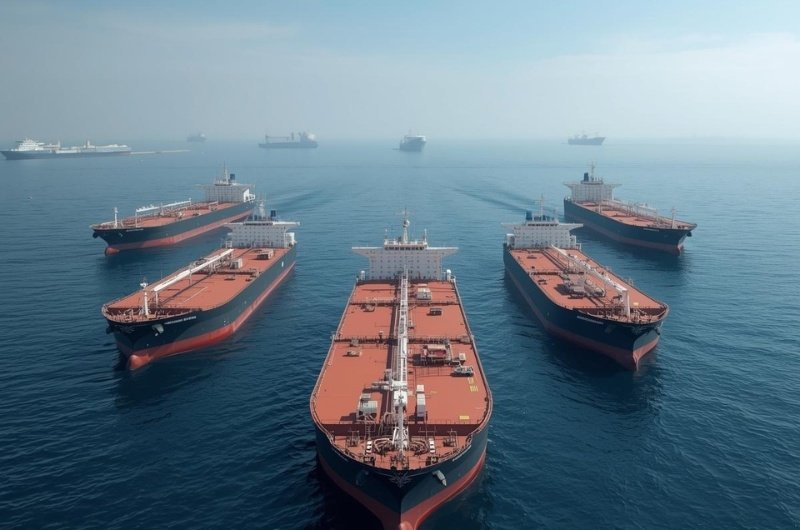
A dramatic escalation in tensions between the United States and Iran is unfolding as President Donald Trump issued a stark warning ahead of a critical deadline tied to the Strait of Hormuz. In a social media post, Trump stated that “a whole civilization will die tonight, never to be brought back again,” adding that while he does not want that outcome, “it probably will.” He continued, “We will find out tonight, one of the most important moments in the long and complex history of the World,” underscoring the gravity of the situation as the clock ticks toward an 8 p.m. Eastern deadline he has set for Iran to reopen the vital shipping route. The Strait of Hormuz remains one of the most strategically important waterways in the world, serving as a major channel for global energy supply. Its closure has already disrupted markets and raised concerns about broader economic fallout. At the same time, military activity in the region is intensifying. Strikes targeting infrastructure and key locations have increased pressure on both sides, with Iran signaling it will not comply with the deadline without significant concessions. The situation is now entering a critical window. With only hours remaining, the risk of further escalation is rising sharply, and the outcome could have far-reaching implications for global stability, energy markets, and geopolitical relations. The Readovia Lens Moments like this rarely unfold quietly. What begins as a geopolitical standoff can quickly evolve into something far more consequential, especially when deadlines, military action, and public warnings intersect. The language being used matters. In this case, it suggests the situation may be nearing a critical threshold, where decisions made within hours could shape global events in ways that are difficult—or even impossible—to reverse. Markets are already responding to the uncertainty, with energy-linked assets moving sharply as the situation continues to unfold.
DHS Funding Standoff Keeps Government Shutdown in Place as Disruptions Grow

The partial U.S. government shutdown remains in place as lawmakers continue to clash over funding for the Department of Homeland Security (DHS), extending the standoff into its eighth week. At the center of the dispute are disagreements over immigration enforcement and agency priorities, which have prevented a funding agreement from moving forward. With Congress currently on recess, negotiations have slowed, leaving little immediate path to resolution. The effects are becoming more visible across federal operations. While essential services remain active, delays are beginning to surface in administrative processes, travel-related functions, and other public-facing services. Federal employees and contractors continue to face uncertainty as the shutdown stretches on. The longer the impasse continues, the more pressure builds on both sides to reach a compromise. Each additional week increases the likelihood of broader disruptions, particularly in areas tied to security, transportation, and federal processing systems. The Readovia Lens DHS sits at the center of systems people interact with every day—from travel to border operations. When funding uncertainty affects those systems, the impact extends beyond Washington. Delays and disruptions tend to surface gradually, then all at once, making the effects more noticeable over time. This moment underscores how closely tied government operations are to everyday routines—and how quickly those connections become visible when funding stops.
LIVE: Trump Addresses Escalating U.S.–Iran Conflict in Press Conference
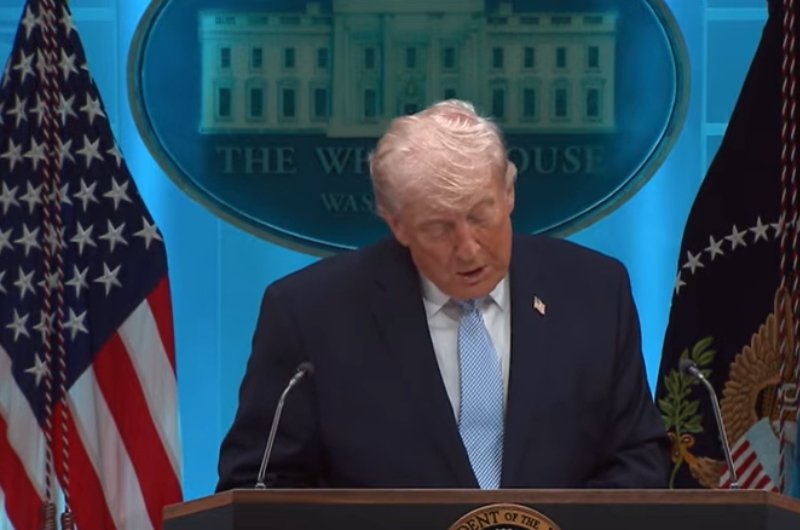
President Donald Trump is speaking now in a closely watched afternoon address as attention intensifies around the U.S.–Iran conflict. The remarks come at a pivotal moment, with policymakers, markets, and the public all watching for signals on what may come next. Watch the full press conference below. This is a developing story, and key points are emerging in real time. We are monitoring the speech as it unfolds and will continue updating this story with confirmed details, direct statements, and analysis.
Hiring Surges in March — But the Labor Market Story Is More Complicated

The U.S. labor market delivered a surprise in March, adding 178,000 new jobs and outperforming expectations after a softer showing the month before. On the surface, the numbers point to continued resilience in the economy. Much of that strength came from healthcare and social assistance, which once again led hiring gains. The sector has quietly become a stabilizing force in the labor market, accounting for a significant share of new jobs as demand for care and services continues to rise. Advertisement But the broader picture is more uneven. Federal government payrolls declined by roughly 18,000 jobs, offsetting some of the gains seen elsewhere. Other areas of the economy are also showing signs of slowing, suggesting that hiring momentum is not as widespread as the headline number might imply. Wage growth continues, but at a more measured pace, and labor force participation has softened slightly. Together, these trends point to a labor market that is still functioning — but gradually losing some of its earlier strength. The Readovia Lens The uneven nature of March’s job growth — strong gains in healthcare alongside declines in government roles and slower momentum elsewhere — helps explain the disconnect between headlines and everyday experience. Jobs are still being created, but they are increasingly concentrated in specific sectors. The labor market remains intact, but for some workers, it’s becoming more selective — and more uncertain.
U.S. Strikes Iran’s Largest Bridge Marking New Phase in Escalating Conflict
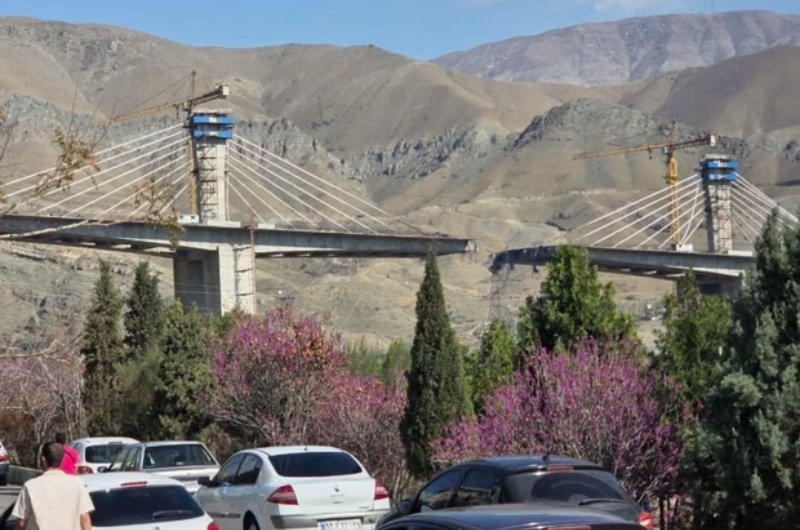
A U.S. airstrike targeting one of Iran’s most significant infrastructure points has sharply escalated tensions in an already intensifying conflict. The strike destroyed a major bridge near Tehran, signaling a shift in how this confrontation is unfolding—and how far it could go. President Donald Trump confirmed the operation and warned that additional actions could follow if Iran does not move toward de-escalation. The message was direct: the current phase of the conflict is not contained, and further strikes remain on the table. The destruction of a key transportation link marks a notable turning point. Earlier actions had largely focused on military capabilities, but this move expands the scope to infrastructure that supports daily movement and economic activity. It reflects a broader strategy aimed at applying pressure beyond the battlefield. The ripple effects are already being felt. Markets reacted quickly, with renewed concerns about energy supply and regional stability pushing oil prices higher. As tensions rise, the risk of wider disruption—both economically and geopolitically—continues to grow. What began as a targeted military response is now evolving into something more complex, with both sides signaling they are prepared to continue. The question is how far it will extend. The Readovia Lens When infrastructure becomes part of the target list, the nature of conflict changes. The impact moves beyond strategy and into daily life—affecting movement, markets, and stability on a global scale.
Trump Declares Operation Epic Fury Nearing Completion in Primetime Address
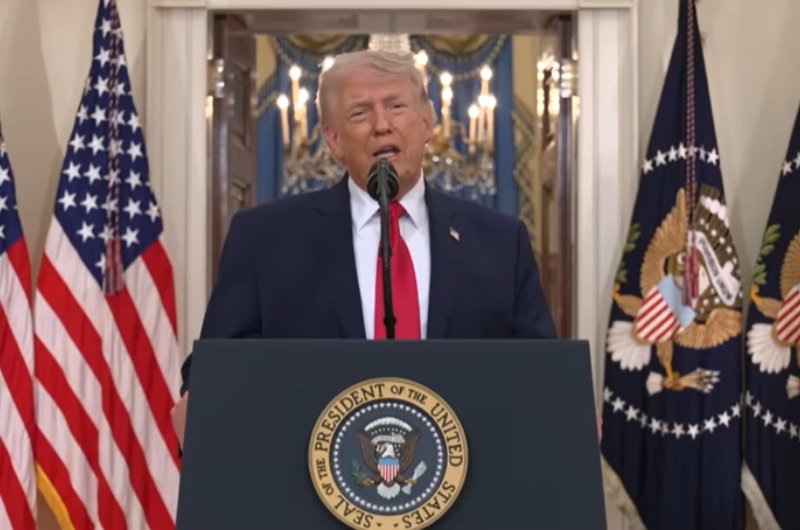
In a primetime address to the nation Wednesday night, President Donald J. Trump said the U.S. military campaign known as Operation Epic Fury is entering its final phase, describing the operation’s core objectives as “nearing completion” after weeks of intense fighting in Iran. Speaking from the White House, Trump outlined what he called significant battlefield gains, including widespread damage to Iran’s military infrastructure, missile systems, and leadership structure. He framed the operation as a decisive move to eliminate long-standing threats, particularly Iran’s nuclear ambitions, which he described as a central justification for the campaign. The president signaled that the most aggressive phase of the operation may continue for another two to three weeks, with additional strikes expected before any potential drawdown. While suggesting the conflict is winding down, he did not provide a clear timeline or strategy for a full U.S. exit from the region. Trump also indicated that Iran may be seeking a ceasefire, though no formal agreement has been confirmed. At the same time, tensions remain high, with warnings of possible retaliation and continued instability across the region. The address comes amid growing global scrutiny and mixed reactions at home, as the administration attempts to define both the outcome of the operation and what comes next in a rapidly evolving geopolitical landscape.
Magnitude 4.6 Earthquake Rattles Central California, Shaking Felt Across Wide Region

A magnitude 4.6 earthquake struck central California early Thursday morning, jolting residents awake across a wide stretch of the state and serving as a sharp reminder of the region’s constant seismic activity. The quake hit around 1:40 a.m., centered near Boulder Creek in the Santa Cruz Mountains, with shaking reported across a broad area, including parts of the San Francisco Bay Area. While the tremor was brief, many residents described a sudden jolt strong enough to rattle homes, shift objects, and trigger mobile earthquake alerts. Despite the widespread impact, there were no immediate reports of serious damage or injuries. Some residents closer to the epicenter reported minor disruptions, including items knocked from shelves and startled pets, but overall the event appeared to pass without major incident. Seismologists note that while California experiences frequent small earthquakes, quakes in the mid-4 magnitude range are less common and often serve as a wake-up call for residents living along active fault lines. The latest tremor reinforces a reality Californians know well: even when damage is minimal, the ground can move without warning.
Trump Weighs High-Stakes Decision on Ground War as Iran Conflict Escalates
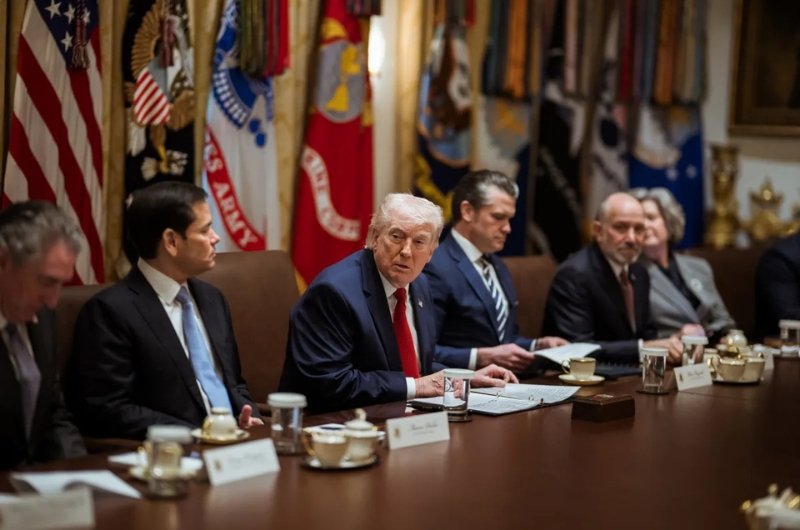
President Trump is facing one of the most important decisions of his presidency as tensions with Iran continue to rise. So far, the conflict has been driven by airstrikes and growing military pressure. Now, the conversation is shifting. Officials are increasingly considering whether to move beyond strikes and send U.S. forces into Iran for limited ground missions. These would likely focus on targeted operations, not a full-scale invasion — but it would still mark a major escalation. The risks are serious. Deploying ground troops would put American forces directly in harm’s way, facing advanced weapons and strong defenses. Even a limited mission could quickly become more complicated, pulling the U.S. deeper into conflict in an already unstable region. At the same time, there is still a possibility of avoiding that path. Diplomatic options remain on the table, and leaders are weighing whether continued pressure could lead to some form of agreement. The challenge is whether that window is still open — or closing fast. The decision is also being watched closely at home and around the world. Many Americans are hesitant about another overseas ground war, while global markets and allies are reacting to every shift in tone from Washington. For now, no final decision has been announced. But with pressure building and options narrowing, the next move could carry real consequences — for this conflict, for U.S. troops, and for America’s role moving forward.