


Colon Cancer Is Rising in Younger Americans — And Doctors Don’t Fully Know Why

A growing number of younger Americans are being diagnosed with colorectal cancer, a disease once largely associated with older adults — and the shift is raising new concerns across the medical community. In recent years, doctors have reported a noticeable increase in cases among people in their 20s, 30s, and 40s. While colorectal cancer remains more common in older populations, the rise among younger adults has been steady enough to change how the disease is being understood. What makes the trend more concerning is how often it goes undetected early. Many younger patients don’t expect to be at risk, and early symptoms — such as persistent stomach pain, changes in bowel habits, or rectal bleeding — are sometimes overlooked or dismissed. That delay can allow the disease to progress before it is caught. At the same time, the underlying cause is still not fully clear. Researchers are examining possible links to modern lifestyle factors, including diet, processed foods, and environmental exposures. But so far, no single explanation has emerged, leaving doctors to track a pattern they don’t yet fully understand. Screening guidelines have begun to adjust in response, with recommendations now starting earlier than in the past. Still, awareness remains a critical gap, particularly among younger adults who may not see themselves as at risk. The rise in cases is a shift that challenges long-held assumptions about age and health. And as the data continues to evolve, one thing is becoming clear: early attention to symptoms and increased awareness may be just as important as advances in treatment.
U.S. Deploys 3,500 Troops to Middle East — Iran Threatens Retaliation for Ground Invasion
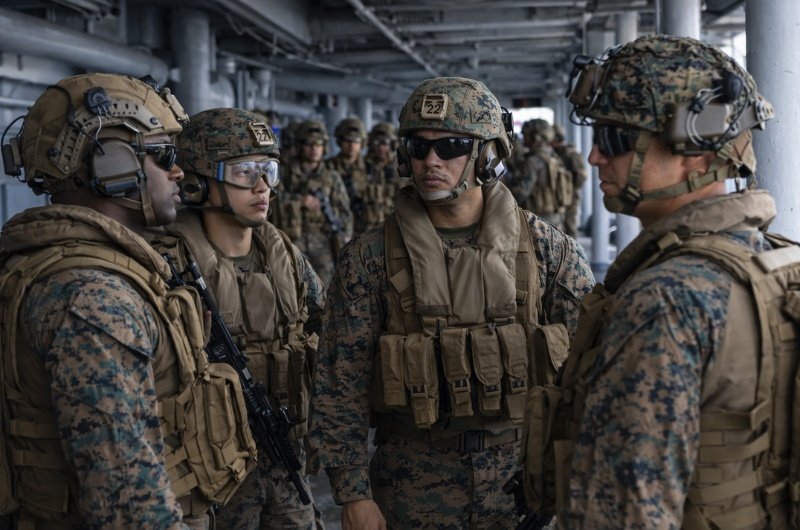
One month into a growing conflict with Iran, the United States has deployed more than 3,500 troops to the Middle East, signaling a significant escalation in its military posture. The amphibious assault ship USS Tripoli, carrying roughly 2,500 Marines along with aircraft and combat assets, has arrived in the region under U.S. Central Command. The deployment adds to an expanding U.S. presence as the conflict enters a more intense and uncertain phase. Military officials say the force brings a wide range of capabilities, including fighter jets, transport aircraft, and amphibious assault units designed for rapid-response operations. Additional ships and Marine units have also been ordered to the region, increasing operational flexibility and readiness. The buildup comes amid an ongoing wave of strikes tied to the broader conflict, with thousands of targets reportedly hit since operations began. The scale and pace of activity have raised new concerns about how far the situation could escalate. Iran has also issued a stark warning against any potential ground invasion. Officials say U.S. troops entering Iranian territory would face immediate and severe retaliation, with one senior leader declaring that American forces would be “set on fire” if they attempt to advance on the ground. While U.S. officials have not confirmed plans for a full-scale ground operation, the arrival of a Marine expeditionary force — capable of conducting raids, evacuations, or sustained combat missions — is fueling speculation about what could come next. The move reflects a clear shift toward preparedness as tensions remain high.
A Major Shift Could Be Coming to 401(k)s — What It Means for Your Money

A major shift could be coming to one of America’s most important retirement tools — and it may change how millions of people invest for the future. Federal regulators are weighing changes that would allow 401(k) plans to include alternative investments like private equity, real estate funds, and even cryptocurrency. These types of assets have traditionally been reserved for institutional investors and the ultra-wealthy, but the door could soon open to everyday retirement accounts. Advertisement Supporters say the move could give Americans access to higher returns and better diversification, especially in a market where traditional stocks and bonds don’t always deliver consistent growth. For workers looking to build long-term wealth, that kind of flexibility could be appealing. But the shift also comes with real risks. Alternative investments are often more complex, less transparent, and harder to sell quickly. They can also carry higher fees, which can quietly eat into long-term returns — something many retirement savers may not fully understand. For now, no final decision has been made. But if these changes move forward, the typical 401(k) could look very different in the years ahead — giving Americans more options, but also more responsibility when it comes to managing their money. The Readovia Lens This shift is about new investment options. It’s also about who gets access to opportunity. For decades, high-return alternative assets have been largely out of reach for everyday workers. Opening the door could level the playing field — but it also shifts more risk onto individuals who may not have the time or expertise to navigate it.
Federal Contractors Face New DEI Limits Under White House Order
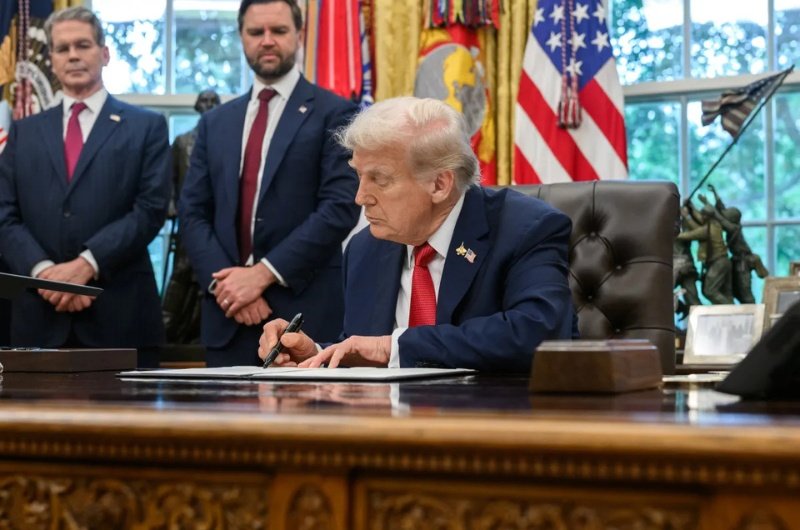
The White House is moving to reshape federal contracting rules after President Donald Trump signed a new executive order on March 26 restricting diversity, equity, and inclusion (DEI) practices among companies that do business with the federal government. The policy introduces new requirements that contractors must follow — with real consequences for those who don’t. At its core, the order requires federal contracts to include a clause prohibiting what it defines as “racially discriminatory DEI activities.” That includes practices tied to hiring, promotions, contracting decisions, and the allocation of resources based on race or ethnicity. The new rule is expected to move quickly, with agencies directed to update contract requirements within weeks. For companies, the stakes are significant. Contractors must provide records and compliance information if requested, and they are expected to report potential violations. Failure to comply could lead to contracts being suspended or terminated — and in some cases, companies could be barred from doing future business with the federal government. The White House says the policy is designed to promote merit-based hiring and improve efficiency in federal contracting. According to a related fact sheet, the administration argues that certain DEI programs can increase costs, limit the labor pool, and create inefficiencies that ultimately affect taxpayers. The order also introduces stronger accountability measures to ensure compliance is enforced and verifiable. The move is part of a broader shift in federal policy aimed at reducing the role of DEI across government operations and contracting. For businesses, it signals a changing landscape — one that could influence how companies approach hiring, training, and internal programs if they want to remain eligible for federal work. The Readovia Lens This is less about a single policy and more about direction. Federal contracting touches some of the largest companies in the country, and changes at this level tend to ripple outward. As requirements evolve, businesses may find themselves adjusting not just for compliance, but for competitiveness. ——————– Related: Target Caught in the Crossfire as Boycotts Grow Over DEI and ICE Response Cyber Monday Boycott Targets Amazon, Target, and Home Depot Over DEI Rollbacks and Political Ties
Target Caught in the Crossfire as Boycotts Grow Over DEI and ICE Response
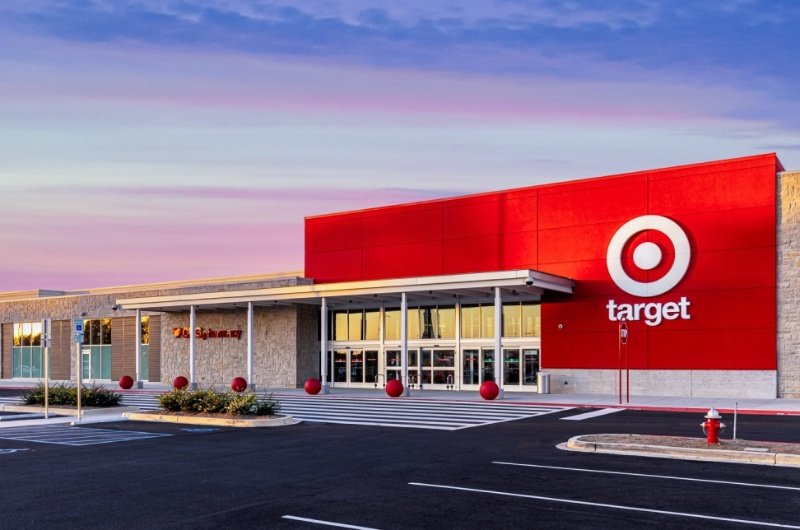
Target is being pulled from both sides of America’s biggest debates, as the retail giant faces renewed boycott calls tied to its response to immigration enforcement activity in Minneapolis — adding to existing backlash over its evolving stance on diversity, equity, and inclusion (DEI). The latest pressure follows reports of increased federal immigration enforcement in the Minneapolis area, where Target is headquartered. Critics say the company has not taken a clear enough position in response to the situation, prompting calls for a new boycott from activists who want corporations to speak out more forcefully on immigration-related issues. At the same time, Target has already been navigating a separate wave of consumer backlash tied to its handling of DEI initiatives. Earlier criticism emerged after the company scaled back or adjusted certain diversity-focused programs, leading to boycott efforts from customers who viewed the changes as a step away from prior commitments. Now, those two dynamics are colliding — placing Target in a difficult position. Responding more aggressively to one side risks alienating the other, while staying neutral may continue to draw criticism from both. For a national brand with a broad customer base, that balance is becoming increasingly difficult to maintain. The situation reflects a broader shift in how companies are expected to operate in today’s environment. Corporate decisions are no longer judged solely on products or pricing, but on how businesses respond to social, political, and cultural issues in real time. Despite the growing backlash, investors appear to be taking a different view. Shares of Target were up more than 3% in midday trading today, suggesting that markets may be focusing more on the company’s broader performance than the current wave of public pressure. The Readovia Lens This is what pressure looks like in the modern marketplace. When national debates intensify, companies don’t sit on the sidelines — they become part of the story. And as expectations rise from every direction, neutrality itself is starting to carry a cost. ——————– Related: Federal Contractors Face New DEI Limits Under White House Order Cyber Monday Boycott Targets Amazon, Target, and Home Depot Over DEI Rollbacks and Political Ties
U.S.–Iran Tensions Rise as Ceasefire Efforts Stall and Conflict Intensifies

Efforts to ease the growing conflict in the Middle East are breaking down. Iran has rejected a U.S.-backed ceasefire proposal, and fighting across the region is continuing to escalate. What once looked like a possible pause is now turning into a deeper and more uncertain phase. At the center of the breakdown is a clear divide. Iran is pushing for terms that would shift the balance in its favor, while U.S.-aligned efforts are focused on stabilizing the situation without major concessions. With neither side willing to move, diplomacy has stalled — and the conflict continues. On the ground, military activity is increasing. Israeli forces have intensified strikes on Iranian-linked positions and key figures tied to regional operations. These moves are designed to weaken Iran’s reach, but they also raise the risk of retaliation, adding pressure to an already fragile situation. The impact is beginning to spread beyond the battlefield. Global energy markets are reacting to growing concerns over key supply routes. Even the threat of disruption is enough to create volatility, with ripple effects that could extend well beyond the region. In the United States, the situation is becoming more complex. Officials continue to frame involvement as necessary for stability, but questions are growing about how far the U.S. is willing to go — and what the long-term plan looks like. With no clear resolution in sight, this is shifting from a fast-moving crisis to a longer, more difficult test. The Readovia Lens With ceasefire efforts off the table, the path forward becomes more uncertain. Continued escalation raises the risk of a broader conflict — and increases the pressure on the United States to decide how far it is willing to go. ——————– Related: As U.S. Forces Move Closer, Washington Pushes Back on a Deeper Iran War Trump Issues Iran Ultimatum, Then Delays Strikes as Conflict Nears Breaking Point Top U.S. Counterterrorism Chief Resigns, Says Iran Posed “No Imminent Threat” Iran Closes Strait of Hormuz After Strikes, Threatening Global Oil Supply BREAKING NEWS: U.S. and Israel Strike Iran; Supreme Leader Reported Dead as Region Erupts
As U.S. Forces Move Closer, Washington Pushes Back on a Deeper Iran War
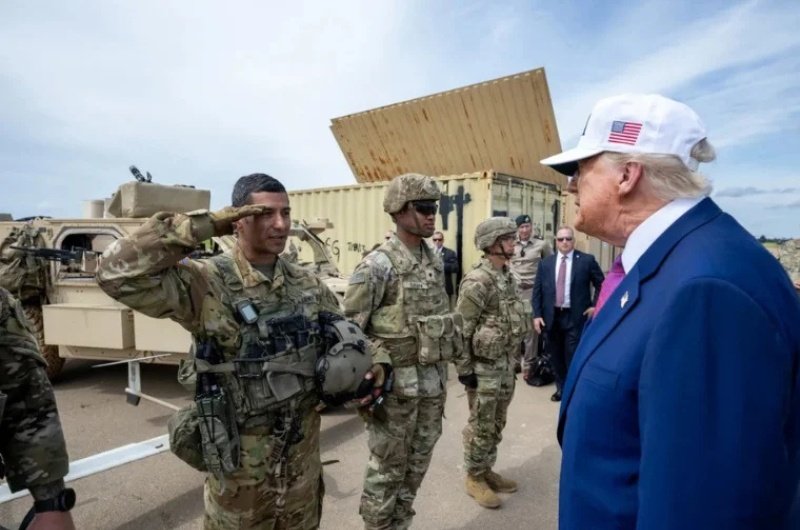
Washington is entering a new phase of tension over the Iran conflict as the United States moves additional troops and military assets into the Middle East, even as resistance to a deeper war grows at home. The question is how far the U.S. is willing to go without losing support in Congress and among the public. The military buildup is becoming increasingly visible. Additional Marines, paratroopers, and naval forces are being positioned across the region, giving the United States greater flexibility as the situation evolves. While officials have not committed to a ground war, the movement of forces is expanding the range of options — and raising new concerns in Washington. Those concerns are beginning to surface more openly. Lawmakers from both parties are questioning whether the current trajectory could lead to deeper involvement, particularly without a clearly defined end goal. Some are emphasizing the need for Congressional oversight, signaling that any significant escalation could trigger a broader debate over war powers and executive authority. Public sentiment is also playing a role. Many Americans remain wary of entering another prolonged conflict, and support for sending ground troops appears limited. That hesitation is shaping the political environment, making it more difficult for leaders to justify any major expansion of military involvement. Even within traditionally supportive circles, there are signs of restraint. Backing remains stronger for targeted military actions, but support drops when the conversation turns to boots on the ground. That divide reflects a broader reality: while there may be agreement on applying pressure, there is far less consensus on committing to a larger war. As the conflict continues, the United States is trying to balance two competing pressures — maintaining a strong position abroad while managing growing caution at home. But as more forces move into place and the situation becomes harder to contain, that balance is becoming increasingly difficult to hold. ——————– Related: U.S.–Iran Tensions Rise as Ceasefire Efforts Stall and Conflict Intensifies Trump Issues Iran Ultimatum, Then Delays Strikes as Conflict Nears Breaking Point Top U.S. Counterterrorism Chief Resigns, Says Iran Posed “No Imminent Threat” Iran Closes Strait of Hormuz After Strikes, Threatening Global Oil Supply BREAKING NEWS: U.S. and Israel Strike Iran; Supreme Leader Reported Dead as Region Erupts
Democrats Flip Seat in Trump’s Backyard, Signaling Potential Shift Ahead of Midterms
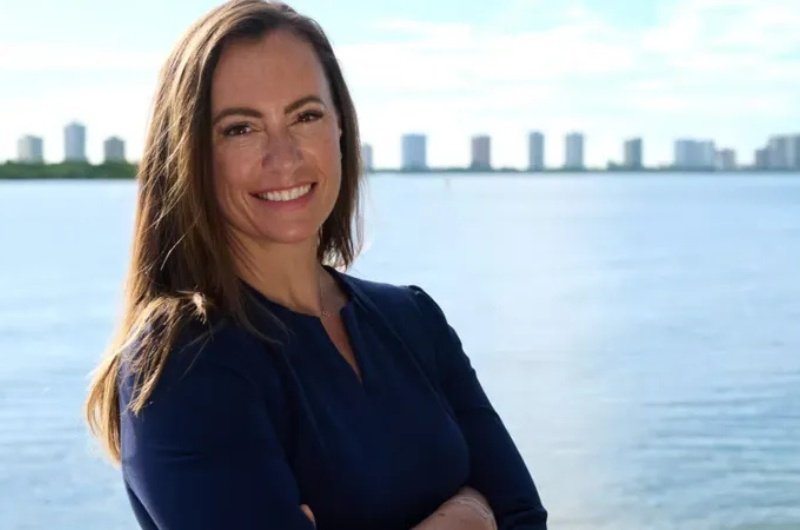
A closely watched special election in Florida is drawing national attention after Democrats flipped a state House seat in a district that includes former President Donald Trump’s Mar-a-Lago residence. Democratic candidate Emily Gregory, a first-time contender and small business owner, defeated Republican Jon Maples, who had been endorsed by Trump. The result marks a notable shift in a district that had previously been considered reliably Republican, with the GOP winning the seat by a wide margin just two years ago. While the outcome does not change the balance of power in Florida’s legislature, it carries symbolic weight. The district’s connection to Trump — both politically and geographically — has made the result a focal point for early signals ahead of the 2026 midterm elections. The race also highlights a broader trend. Democrats have now flipped multiple seats in special elections since Trump returned to office, suggesting that local races may be becoming more competitive in areas once viewed as politically settled. At the same time, Republicans have downplayed the significance of the result, pointing to the state’s overall political landscape, where the party still maintains strong control. The Readovia Lens Special elections rarely change power overnight — but they often reveal where momentum is building. A shift in a high-profile district signals that voter sentiment may be more fluid than expected, even in areas closely associated with national political figures. As the midterms approach, results like this are likely to be watched closely because they hint at where the political ground may be moving next.
Instagram Locks Teen Accounts by Default — Parents Now Play a Bigger Role

Instagram is rolling out stricter protections for teens — and this time, they’re built in by default. The platform’s new “Teen Account” system automatically applies privacy and safety settings to users under 18, marking a shift away from optional safeguards. Younger teens must get parental approval before loosening these protections, while older teens can adjust certain settings on their own unless supervision is enabled. Under the new system, teen accounts are set to private by default, giving users control over who can follow them. Messaging is also limited, allowing contact only from people they follow or are already connected to. Sensitive content is filtered automatically, and built-in tools encourage healthier usage habits, including reminders to take breaks and optional nighttime restrictions. Parents now have the option to supervise their teen’s account through a linked dashboard. From there, they can view activity insights, set screen time limits, and approve changes that would reduce built-in protections. Rather than requiring constant monitoring, the system is designed to act as a guardrail — allowing teens to use the platform while limiting exposure to potential risks. The update reflects a broader shift in how social media platforms approach younger users. Instead of relying on families to discover and activate safety tools, Instagram is making those protections the default experience — adding friction only when users attempt to remove them. The Readovia Lens This teen account system is a strategic shift. Social media companies are facing increasing pressure from lawmakers, parents, and regulators to better protect younger audiences. By embedding restrictions directly into the platform and requiring parental involvement to override them, Instagram is reducing both user risk and corporate exposure. More importantly, this Instagram move signals a new era of platform design — one where behavior is guided by default settings, not just user choice. And for advertisers, it opens the door to something the industry has been chasing for years: a digital environment that feels stable, predictable, and brand-safe — the kind of environment emerging across a new generation of premium publishers…such as Readovia.
Trump Signals Openness to DHS Deal as Shutdown Pressure Mounts
After weeks of gridlock, there are early signs that a deal to fund the Department of Homeland Security (DHS) may be within reach. Lawmakers familiar with ongoing negotiations say President Trump is now open to a compromise that could reopen the agency, marking a notable shift from his earlier stance. The potential breakthrough comes as the shutdown enters a critical phase, with mounting pressure from both parties to restore normal operations. Behind the scenes, negotiators are exploring a path forward that would fund DHS in the short term while allowing more contentious immigration measures to be addressed separately in future legislation. At the center of the dispute are disagreements over immigration enforcement policies, which have stalled funding for weeks. Democrats have pushed for reforms tied to enforcement practices, while Republicans have sought to preserve broader authority and funding structures. The standoff has exposed deep divisions in Washington, with both sides facing increasing pressure to deliver a resolution. The impact of the shutdown is becoming harder to ignore. Key federal functions tied to homeland security have been strained, and workforce disruptions are beginning to ripple across critical systems. Lawmakers now face growing urgency to act as operational challenges continue to build.