


Primary Night 2026: Iowa Delivers a Surprise as California Awaits a Winner
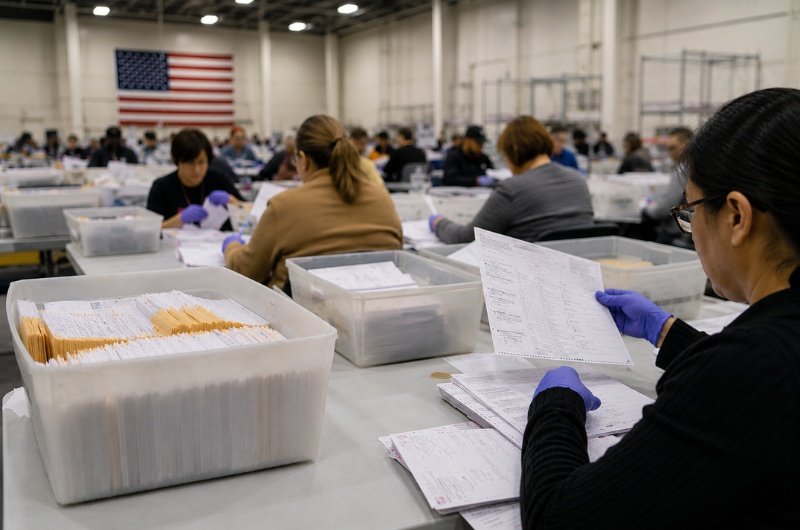
Voters in Iowa and California delivered two very different political stories Tuesday night, producing both a surprise result and an unresolved contest that could shape the months ahead. In Iowa, Republican voters handed President Donald Trump one of the rare primary setbacks of the 2026 election cycle by rejecting his endorsed candidate for governor. Businessman Zach Lahn defeated U.S. Representative Randy Feenstra in the Republican primary, setting up a general election contest against Democratic State Auditor Rob Sand. Advertisement Meanwhile, California voters left one of the nation’s most closely watched races without a clear conclusion. Early returns showed Republican Steve Hilton and Democrat Xavier Becerra among the leading candidates in the state’s open gubernatorial primary, but ballot counting continued Wednesday morning with final results still pending. The contrasting outcomes highlighted the complexity of the 2026 political landscape. In Iowa, voters demonstrated a willingness to break from expectations and chart their own course despite a late endorsement from Trump. In California, voters delivered a fragmented result in a crowded field, leaving questions about the shape of the November contest unanswered. Both races carry significance beyond state borders. Iowa’s governor’s race will test competing visions for the future of a state that has become increasingly important in national politics, while California’s contest will determine who succeeds term-limited Governor Gavin Newsom and leads the nation’s largest state economy. The Readovia Lens Primary elections often reveal less about who will ultimately win and more about where voters stand at a particular moment in time. Tuesday’s results offered a reminder that endorsements, fundraising, and polling remain influential, but they are not always decisive. Iowa voters delivered an unexpected result, while California voters left one of the country’s most important races unresolved. Together, the outcomes suggest that many of the biggest political questions of 2026 may take longer to answer than either party anticipated. ——————– Related: Primary Day 2026: California and Iowa Voters Offer Early Clues to America’s Political Mood
Primary Day 2026: California and Iowa Voters Offer Early Clues to America’s Political Mood
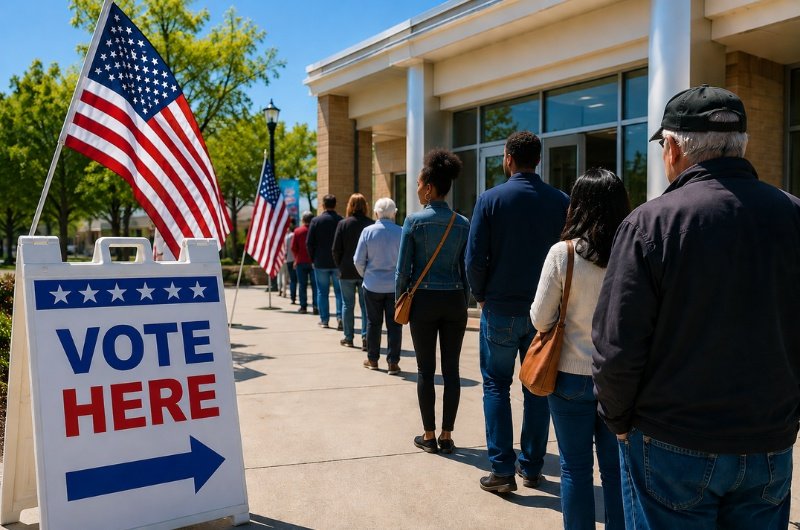
Voters across California, Iowa, and several other states head to the polls Tuesday in one of the most consequential primary election days of the year, as candidates compete in races that could offer important clues about voter priorities ahead of the 2026 midterm elections. While primary elections typically attract less attention than November contests, political strategists, candidates, and party leaders will be studying the results closely. From California’s race to succeed Gov. Gavin Newsom to competitive congressional contests in multiple states, today’s outcomes may provide important signals about where voters stand as the 2026 midterm elections draw closer. In California, voters are helping narrow the field in the race to become the state’s next governor, while several congressional races are drawing national attention because of their potential impact on the balance of power in Washington. Economic concerns, housing affordability, public safety, immigration, and the cost of living have emerged as recurring themes throughout the campaign season. Iowa’s contests offer a different but equally important snapshot of the political environment. Long regarded as a key political bellwether, the state’s races are expected to provide additional insight into voter sentiment across the Midwest and help both parties gauge enthusiasm among their core supporters. The results may not dramatically alter the political landscape overnight, but they could reveal important trends that carry into November. Strong turnout, unexpected victories, or signs of voter dissatisfaction often become early indicators of larger movements that emerge later in the election cycle.
U.S. Strikes Iranian Sites After Tehran Downs American Drone

Tensions between the United States and Iran escalated sharply Monday after Iran shot down an American drone, prompting U.S. strikes on Iranian radar and drone facilities. Iran later launched missiles toward U.S. forces in Kuwait, according to U.S. officials, who said the missiles were intercepted and no casualties were reported. U.S. officials said the military action was a direct response to the drone incident, which marked one of the most serious confrontations between the two countries in recent months. The strikes targeted radar installations and drone-related infrastructure that U.S. officials say were connected to Iran’s military operations. Iran responded by firing missiles toward American positions in Kuwait, though U.S. officials said air defense systems successfully intercepted the incoming projectiles before they could cause damage. Both sides have accused the other of increasing tensions in the region, which remains one of the world’s most strategically important areas for energy production and international shipping. The latest exchange underscores the fragile security environment across the Middle East, where U.S. forces, Iranian military assets, and key energy infrastructure operate in close proximity. Military incidents involving drones, missiles, and naval assets have repeatedly raised concerns about the potential for broader regional instability. While no casualties were immediately reported, the rapid exchange of military action highlights how quickly tensions between Washington and Tehran can escalate. For global markets and policymakers alike, developments in the region remain closely watched because of their potential impact on energy supplies, shipping routes, and broader geopolitical stability.
Meta Employees Push Back Against AI Training Tool That Tracks Workplace Activity
A growing debate over artificial intelligence and workplace privacy is unfolding inside Meta, where employees are raising concerns about an internal system designed to collect workplace activity data to help train AI models. According to reports, the initiative tracks various forms of employee computer activity, including clicks, mouse movements, navigation patterns, and other interactions. Meta says the information is being used to improve AI systems and train more capable digital assistants. Some employees, however, argue that the program crosses privacy boundaries and raises questions about how workplace data should be used. The controversy highlights a broader challenge facing many organizations as artificial intelligence becomes increasingly integrated into business operations. Training advanced AI systems often requires large amounts of real-world data, but workers may be uncomfortable when that data comes directly from their daily activities. For some employees, the concern extends beyond privacy to the possibility that their work could be helping build systems that eventually automate portions of their jobs. Meta has defended the initiative as an important part of its AI development efforts and says safeguards are in place to protect employees. The company continues to invest heavily in artificial intelligence as competition intensifies among major technology firms seeking to build more capable AI platforms. The Readovia Cut The debate unfolding at Meta may offer an early glimpse into a workplace challenge many companies will eventually face. As AI systems become more sophisticated, organizations will increasingly look for ways to gather real-world human behavior data to improve them. But will employees view those efforts as innovation, surveillance, or something in between? How companies answer that question could shape the next phase of AI adoption in the workplace.
Trump’s Face Could Appear on a New $250 Bill as Treasury Prepares for Potential Approval
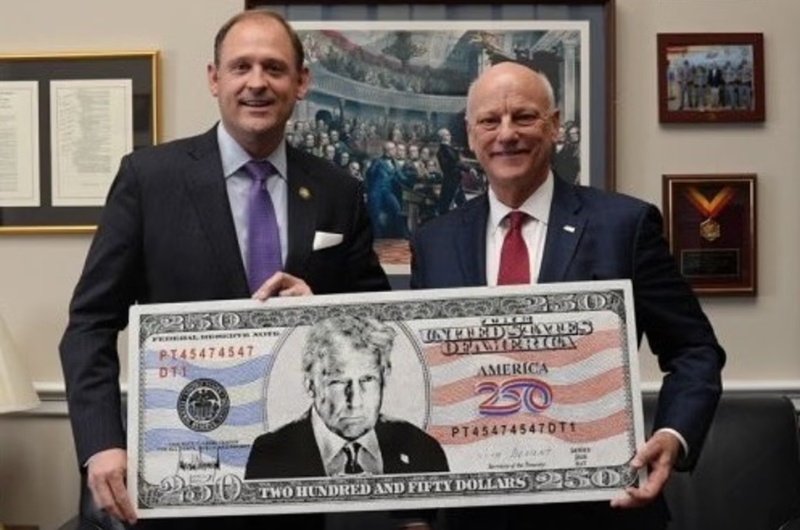
A proposal that once seemed unlikely is moving closer to reality after Treasury officials confirmed preparations for a potential $250 bill featuring President Donald Trump. The development follows growing support among some lawmakers and allies of the president who argue that Trump’s influence on modern American politics warrants consideration for a new denomination tied to the nation’s upcoming 250th anniversary celebration. Recent reports indicate the Treasury Department has already prepared preliminary designs should Congress ultimately authorize the move. The proposal faces a significant hurdle. Current federal law generally prohibits living individuals from appearing on U.S. currency, meaning Congress would need to change longstanding rules before any such bill could be issued. Supporters view the idea as a way to commemorate a president they believe reshaped American politics, while critics argue that placing a living political figure on U.S. currency would break with long-established traditions intended to keep the nation’s money above contemporary political disputes. The discussion comes as the United States prepares for a series of events marking the country’s 250th anniversary. The semiquincentennial celebration has become a major priority for the administration, with officials emphasizing patriotism, national heritage, and America’s founding story. In that context, the proposed $250 bill has evolved from a symbolic political idea into a broader debate about how the nation chooses to recognize influential leaders and historic moments. Even if Congress were to approve the proposal, a new denomination would represent a significant departure from modern U.S. currency practices. The highest denomination currently circulated is the $100 bill, and economists have long questioned whether larger notes would serve a practical purpose in an increasingly digital economy. Still, the proposal has succeeded in capturing national attention, ensuring that the debate extends far beyond the design of a single piece of currency. Whether the idea ultimately becomes reality or remains a political symbol, the conversation highlights a larger question: how should America honor the figures who shape its history? As the nation’s 250th birthday approaches, that debate is likely to continue well beyond the halls of Congress.
America Prepares for Historic 250th Birthday Celebration
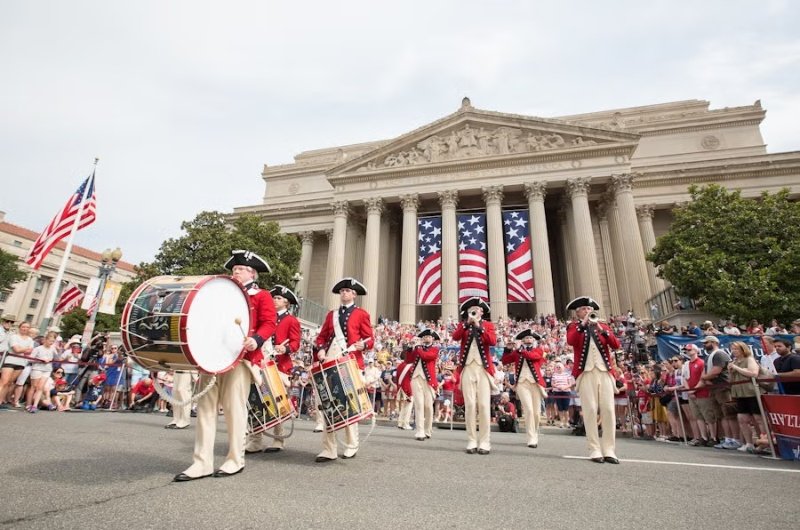
On July 4, 2026, the United States will mark a milestone few nations ever reach: the 250th anniversary of the signing of the Declaration of Independence. While the date itself is still months away, preparations are already underway as federal officials, community organizations, and historical institutions begin planning what is expected to be one of the most significant national commemorations in modern American history. Earlier this year, the White House established Task Force 250, a federal initiative designed to coordinate planning efforts across government agencies ahead of the anniversary. The broader effort, often referred to as “America 250,” aims to recognize the nation’s founding, celebrate its achievements, and encourage Americans to reflect on the people, events, and ideas that have shaped the country over the past two and a half centuries. The anniversary is expected to include a wide range of events, educational programs, historical exhibitions, community celebrations, and patriotic activities taking place across the country. From major cities to small towns, organizations are beginning to develop plans that highlight local history while connecting communities to the larger story of America’s founding and evolution. For many Americans, the celebration may also provide an opportunity to revisit the nation’s origins. The Declaration of Independence, adopted on July 4, 1776, marked the formal separation of the thirteen colonies from Great Britain and laid the foundation for what would become the United States. Nearly 250 years later, the anniversary offers a moment to reflect not only on the country’s history, but also on its continuing journey. While much of the planning is still taking shape, one thing is already clear: America’s 250th birthday will be more than a single day of celebration. It is shaping up to be a nationwide reflection on the nation’s past, present, and future — a rare milestone that will connect generations of Americans to one of the most important moments in the country’s history.
Costco’s Strong Quarter Highlights America’s Ongoing Search for Value

Costco’s latest earnings report offered a fresh look at how Americans are spending their money in 2026. The warehouse retailer reported quarterly revenue of approximately $70.5 billion, up roughly 12% from a year ago, as shoppers continued turning to bulk purchases, discounted fuel, and everyday essentials. The results suggest that even as economic conditions evolve, value remains a powerful force shaping consumer behavior. Behind the strong quarter is a trend that has become increasingly visible across the retail industry: consumers are still spending, but they are paying closer attention to value. Rather than eliminating purchases altogether, many households appear to be seeking out retailers that can help stretch their budgets further. For Costco, that strategy has long been central to its business model. Founded on a membership-based warehouse concept, Costco has built its reputation around offering quality merchandise at competitive prices. Today, the company operates hundreds of warehouse locations worldwide and serves millions of members who pay annual fees for access to its stores, services, and exclusive pricing. The model has helped create a loyal customer base that often returns for both necessities and discretionary purchases. The company’s continued growth may also reflect a broader shift in how consumers shop. Bulk buying, once associated primarily with large families and small businesses, has increasingly become part of mainstream household budgeting. As food, transportation, and everyday living costs remain important considerations for many Americans, warehouse clubs continue to offer an alternative to traditional retail shopping. While economic forecasts remain mixed, Costco’s latest quarter suggests that value-driven retailers remain well positioned. In an environment where consumers are carefully weighing every dollar, companies that can consistently deliver savings and convenience may continue to hold a competitive advantage.
Inflation Is Rising Again — And Americans Are Starting to Feel It

The annual inflation rate climbed to roughly 3.8% in April — its highest level in nearly three years — as rising energy and food costs pushed consumer prices higher across the United States, according to newly released economic data. The increase marked an acceleration from the 3.3% annual inflation rate recorded in March and is raising fresh concerns about the direction of the U.S. economy heading into summer. According to data from the Bureau of Labor Statistics, surging energy and food prices — fueled in part by ongoing conflict and instability in the Middle East — were among the primary drivers behind the latest increase. After months of cautious optimism surrounding cooling inflation and a resilient stock market, the new figures suggest price pressures may once again be building across key parts of the economy. Gas prices, grocery costs, and household expenses remain major concerns for many consumers even as Wall Street continues climbing on the back of strong artificial intelligence and technology investment. The latest inflation report also adds new pressure on the Federal Reserve, which has been closely watching whether inflation would continue easing after years of elevated prices. Persistent inflation could complicate expectations for future interest rate cuts and increase uncertainty for borrowers, businesses, and financial markets alike. At the same time, investors remain heavily focused on the booming AI economy, which continues fueling optimism across technology and infrastructure sectors. Companies tied to artificial intelligence, semiconductors, cloud infrastructure, and energy demand have helped push major market indexes toward record territory despite broader economic concerns. The growing divide between Wall Street optimism and everyday economic pressure is becoming one of the defining financial stories of 2026. For some Americans, investment portfolios and retirement accounts may be benefiting from the market rally. But for others, the rising cost of groceries, utilities, insurance, and transportation continues to shape daily financial decisions in ways that are becoming increasingly difficult to ignore.
Supreme Court Sides With Trump in High-Stakes Immigration Speech Dispute

The U.S. Supreme Court delivered a significant legal victory to the Trump administration Tuesday in a closely watched case involving speech restrictions placed on federal immigration judges, adding new momentum to the broader national debate surrounding immigration policy, executive authority, and constitutional rights. The dispute centered on a policy requiring immigration judges to seek approval before making certain public comments connected to immigration matters or their official roles. Critics argued the restrictions violated First Amendment protections and raised concerns about judicial independence inside the nation’s immigration court system. Rather than issuing a sweeping ruling on free speech itself, the Supreme Court focused primarily on procedural issues tied to how the case was handled in lower courts. The justices determined that an appeals court relied too heavily on arguments that were not directly presented by the plaintiffs, sending the case back for further review. While the ruling does not fully settle the broader constitutional questions surrounding the policy, it gives the Trump administration a major legal advantage for now and preserves the restrictions as the case continues moving through the judicial system. Supporters of the policy argue the rules help maintain neutrality and professionalism within immigration courts, while opponents view the restrictions as government overreach that limits open discussion on issues of public importance. The decision arrives at a time when immigration remains one of the most politically charged issues in the country, with legal disputes over border enforcement, deportation policies, and federal authority continuing to intensify ahead of the next election cycle. The Readovia Lens Immigration battles are increasingly evolving into larger constitutional fights involving executive power, federal oversight, and the limits of speech within government institutions. Cases like this reflect how deeply immigration policy is now intertwined with broader questions about transparency, accountability, and authority inside the American legal system.
Anthropic Says AI Could Help Unlock a Nobel Prize-Level Discovery Within a Year

Artificial intelligence may be approaching a turning point that extends far beyond chatbots and productivity tools. According to Anthropic co-founder Jack Clark, AI systems could help humans achieve a Nobel Prize-level scientific breakthrough within the next year — a prediction that is fueling growing debate across the technology and research communities. Clark made the remarks during a recent lecture discussing the rapid pace of AI advancement and the expanding role these systems may soon play in scientific discovery. The prediction reflects a broader belief among some AI leaders that advanced models are beginning to move beyond information retrieval and coding assistance into areas involving scientific reasoning, hypothesis generation, and complex research support. The idea may sound ambitious, but recent developments are already beginning to reshape how researchers view AI’s capabilities. Advanced reasoning models have shown increasing potential in mathematics, biology, chemistry, and data analysis, leading some scientists to believe artificial intelligence could eventually accelerate discoveries that might otherwise take humans years to uncover. At the same time, AI companies are aggressively expanding into scientific research itself. Major firms are investing heavily in AI-assisted drug discovery, biological research, and advanced laboratory workflows as the race to commercialize scientific AI accelerates. Still, skepticism remains. Critics argue that AI-generated breakthroughs continue to rely heavily on human interpretation, validation, and scientific direction. Others warn that growing dependence on AI systems for intellectual work could eventually weaken human creativity and independent problem-solving. The Readovia Lens The real story may not be whether artificial intelligence helps produce a Nobel Prize-level discovery within a year. It may be that humanity is entering an era where AI increasingly participates in the discovery process itself. If that shift continues, artificial intelligence could evolve from being a tool humans use into an active collaborator in some of humanity’s most important scientific advances.