


U.S.-Iran Peace Talks Postponed as Markets Watch for Next Diplomatic Move
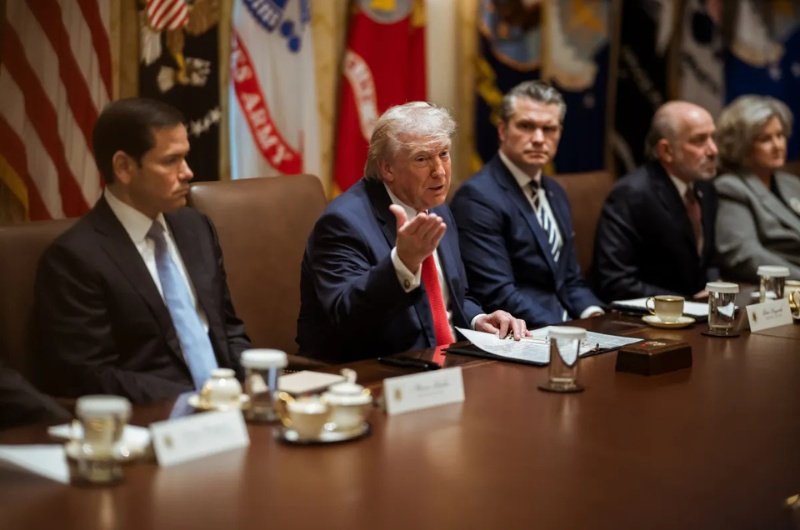
Efforts to build on this week’s U.S.-Iran peace agreement encountered an unexpected hurdle Friday after planned technical talks in Switzerland were postponed, creating uncertainty about the path toward a longer-term settlement. The discussions were expected to begin the next phase of negotiations following the recently announced memorandum aimed at reducing tensions and establishing a more durable framework for peace. Swiss officials confirmed that the meeting would not take place as scheduled, although they indicated they remain ready to facilitate future talks. The postponement comes after changes to travel plans by senior U.S. officials and questions surrounding the timing of the Iranian delegation’s participation. While neither side has suggested that diplomacy has ended, the delay highlights the complexity of turning a broad agreement into a detailed and lasting peace agreement. Despite the setback, recent progress has helped stabilize one of the world’s most strategically important regions. Commercial shipping has resumed through the Strait of Hormuz, easing concerns about disruptions to global energy supplies and international trade. Financial markets are now watching closely for signs that negotiations will resume. Even modest delays in diplomatic efforts can influence investor sentiment, particularly when they involve a region that plays a central role in global oil production and shipping. For now, officials from both countries continue to signal interest in pursuing negotiations, leaving open the possibility that technical discussions could be rescheduled in the coming days. The Readovia Lens Diplomacy is rarely a straight line. While Friday’s postponement introduces uncertainty, the broader framework for continued negotiations remains in place. The focus remains on whether both sides can return to the negotiating table and build on recent progress toward a more stable and peaceful future.
Trump Reshapes Intelligence Leadership as Administration Refocuses National Security Team
The Trump administration is making changes at the highest levels of the U.S. intelligence community as it works to shape the team responsible for advising the president on some of the nation’s most sensitive security issues. The leadership adjustments reflect the White House’s broader effort to ensure that key agencies are aligned with its priorities on global threats, intelligence gathering, and national defense. While changes in senior positions are common during a presidential term, they often attract attention because of the important role intelligence officials play behind the scenes. Advertisement The U.S. intelligence community is made up of multiple agencies that collect information, assess risks, and provide decision-makers with analysis on developments around the world. Those responsibilities can range from monitoring military activity and cyber threats to tracking terrorism and geopolitical tensions. The latest moves come as the administration navigates a rapidly changing international landscape, including ongoing developments in the Middle East and other regions where U.S. interests are closely tied to diplomatic and security decisions. Supporters say a leadership refresh can bring new ideas and help ensure agencies are working toward a common strategy. Others argue that experience and continuity are especially valuable in positions that require long-term planning and coordination. Regardless of perspective, the appointments underscore how much influence senior intelligence leaders have in shaping the information that reaches policymakers and informs decisions affecting national security both at home and abroad.
Intel Shares Rise After Trump Says Apple Will Partner on U.S. Chip Production

Intel shares climbed Thursday after President Donald Trump announced that Apple plans to work with the U.S. chipmaker on semiconductor production, fueling investor optimism about domestic manufacturing and the future of the American technology industry. In a post on Truth Social, Trump said Apple had agreed to collaborate with Intel to design and manufacture chips in the United States. The announcement quickly drew attention on Wall Street, where investors viewed the reported partnership as a potentially significant boost for Intel’s long-term growth prospects. Advertisement While additional details about the arrangement have not yet been released, the news arrives as the United States continues efforts to strengthen domestic semiconductor production and reduce reliance on overseas manufacturing. The semiconductor industry plays a critical role in powering everything from smartphones and personal computers to artificial intelligence systems and data centers. For Intel, a partnership with one of the world’s largest technology companies could reinforce its strategy of expanding advanced chip manufacturing capabilities in the United States. The company has invested heavily in modernizing its fabrication facilities and positioning itself as a leading contract manufacturer for other chip designers. Apple has not publicly outlined the scope or timeline of the reported collaboration, and further information is expected as the project develops. Investors will be watching closely for additional announcements that could clarify how the partnership may affect production plans, supply chains, and the broader semiconductor market.
Hope Has a Home: The Obama Presidential Center Opens Its Doors in a Star-Studded Chicago Celebration
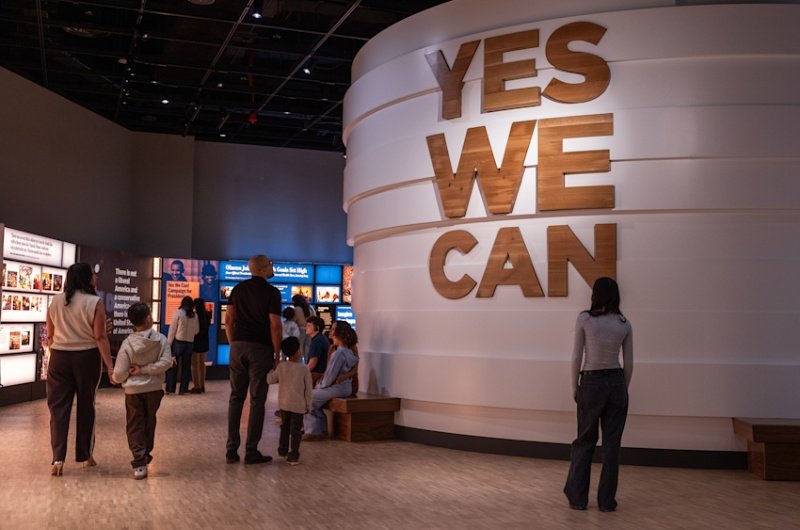
On Thursday, June 18, 2026, one of the most anticipated cultural milestones in American history will unfold on the South Side of Chicago. The Obama Presidential Center Grand Opening Ceremony brings together a who’s-who of musical icons, global leaders, artists, and changemakers for a celebration that honors not just a presidency, but a promise — that ordinary people, working together, can accomplish extraordinary things. “Hope has a home, and it’s time to open its doors,” reads the welcome message from the Obama Foundation. And what a home it is. A Campus Built for Community Nestled in Chicago’s Jackson Park at 6001 S. Stony Island Ave., the Obama Presidential Center is far more than a traditional presidential library. The sweeping 19.3-acre campus was designed by Tod Williams Billie Tsien Architects, in partnership with Interactive Design Architects, with landscape architecture by Michael Van Valkenburgh Associates — and every corner of it was conceived with the surrounding South Side community in mind. The campus includes a world-class museum, a branch of the Chicago Public Library, lush gardens and plazas, an athletic facility called Home Court (which features an NBA regulation-size basketball court), and open gathering spaces like the John Lewis Plaza and the expansive Great Lawn. Much of the campus is free and open to the public, though museum entry — which includes access to all four levels, a re-creation of the Oval Office, and the breathtaking Sky Room overlooking the city — requires a timed ticket. In a particularly striking architectural touch, words from Barack Obama’s 2015 Selma speech — “You Are America” — are carved into the exterior façade of the museum tower, allowing light to pass through the lettering and into interior spaces. Standing in the Sky Room, visitors will literally look out at the Chicago skyline through those words. A Grand Opening Worthy of the Moment The Grand Opening Ceremony on June 18 begins at 11:00 a.m. CT (12:00 p.m. ET) and will be livestreamed globally on Obama.org and the Obama Foundation’s social media channels. The in-person event is invitation-only, though fans unable to secure an invitation can gather at a free public watch party at the Midway Plaisance Park near the Center. The ceremony is more than a ribbon-cutting — it’s a full-scale cultural event, described by the Obama Foundation as bringing together “global leaders, artists, changemakers, and citizens for an inspiring celebration of the values that shaped the Obama presidency and continues to inspire people everywhere to believe in their power to create change.” The Performers: A Once-in-a-Generation Lineup Perhaps the most talked-about element of the grand opening is its jaw-dropping musical lineup — an all-star roster that spans genres, generations, and global stages. The Obama Foundation announced the performers through a clever Instagram reveal: a mock group chat in which former President Barack Obama personally “adds” each performer to the conversation. It’s the kind of warm, culturally savvy touch that has always defined the Obamas’ public presence. Here’s who will take the stage: Bruce Springsteen — The Boss himself, whose music has long championed the working class and the American dream. Bono and The Edge (U2) — Two-thirds of rock’s most iconic band, bringing their signature anthemic energy to Chicago. Stevie Wonder — A living legend whose music transcends time, genre, and generation. Christina Aguilera — The powerhouse vocalist and multi-Grammy winner. Common — Chicago’s own, a Grammy, Oscar, and Emmy-winning rapper and activist whose roots run deep on the South Side. Eddie Vedder — Pearl Jam’s legendary frontman, known for both his raw intensity and his commitment to causes larger than himself. Jennifer Hudson — Oscar, Grammy, and Tony Award-winning Chicago native, returning home in triumphant style. John Legend — EGOT-winning singer-songwriter and longtime advocate for justice and equality. Marc Anthony — The reigning king of salsa, bringing Latin soul to the celebration. The Roots — The acclaimed Philadelphia hip-hop band and house band for The Tonight Show, bringing live musicianship to the forefront. Tems — The Nigerian Afrobeats superstar who has taken the world by storm. Marsai Martin — Actress and producer, representing the next generation of changemakers. The Heart of It All: The Obamas as Hosts Of course, the Obamas themselves — former President Barack Obama and former First Lady Michelle Obama — will be present for what is, in many ways, a deeply personal homecoming. Timed for Juneteenth — and the Future The timing of the opening is no accident. The Center officially opens to the public on June 19, 2026 — Juneteenth — a holiday commemorating the emancipation of enslaved African Americans. For the nation’s first Black president to open his presidential center on this date, in the community where his story began, carries profound symbolic weight. Opening Weekend festivities continue through June 20 and 21, with a full array of public celebrations welcoming visitors from the South Side and from around the world. More Than a Monument Presidential centers can sometimes feel like monuments to the past. The Obama Presidential Center is designed to be something different — a living, breathing campus oriented toward the future. It offers programs rooted in mentorship, civic engagement, and community wellness. Its library gives residents free access to knowledge. Its gardens provide green space in a neighborhood that has long deserved more of it. As the Obama Foundation puts it, this is “a new space of possibilities” — built on the South Side “where the Obamas’ journey began,” and designed for every person who believes they have the power to make a difference. On June 18, with Bruce Springsteen, Stevie Wonder, Bono, Jennifer Hudson, and so many others sharing a stage in Chicago, that belief will be hard to argue with. The Grand Opening Ceremony livestreams Thursday, June 18 at 11:00 a.m. CT at obama.org. The Obama Presidential Center opens to the public on June 19, 2026, at 6001 S. Stony Island Ave., Chicago, IL 60637.
Key Primary Elections Underway in Georgia, Oklahoma, and Washington, D.C.
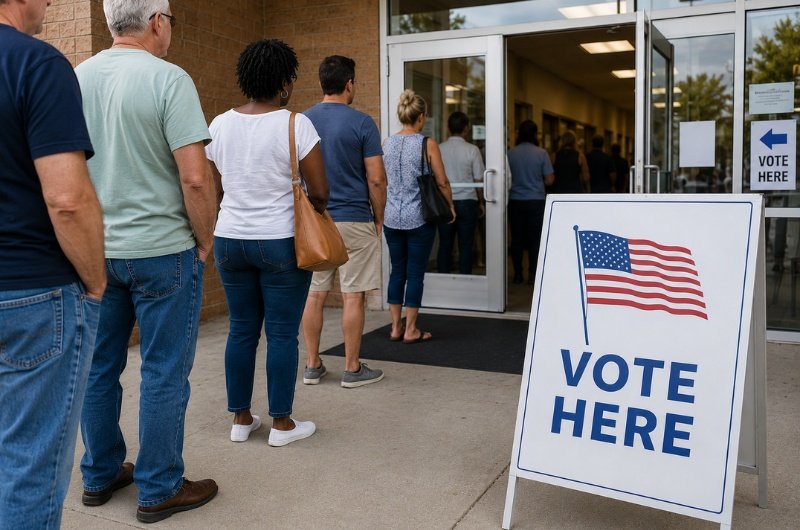
Voters across Georgia, Oklahoma, and Washington, D.C., are heading to the polls Tuesday in a series of closely watched primary elections and runoff contests that could help shape the political landscape leading into the November general election. One of the day’s highest-profile races is Georgia’s Republican U.S. Senate runoff, where voters are choosing a nominee to challenge Democratic Senator Jon Ossoff later this year. The contest gained additional national attention after President Donald Trump endorsed U.S. Representative Mike Collins in the closing days of the campaign, setting up a closely watched test of the president’s influence in a competitive Republican primary. Advertisement Georgia’s runoff is one of several races expected to draw interest from political observers as both parties prepare for a busy midterm season. Republicans view the seat as a key opportunity to expand their Senate majority, while Democrats are working to defend one of their most competitive incumbents. In Oklahoma, voters are participating in statewide primary elections for offices including governor and the U.S. Senate. The ballot also includes a proposed increase to the state’s minimum wage, giving voters an opportunity to weigh in on an issue with significant economic implications. Meanwhile, Washington, D.C., is holding primary elections for mayor and other local offices. The contests mark the beginning of a leadership transition in the nation’s capital and feature the city’s first use of ranked-choice voting in a mayoral primary, an election reform that will be closely watched by officials and election experts around the country. While each jurisdiction faces its own local issues and candidates, the elections collectively offer an early snapshot of voter priorities ahead of November. Turnout, campaign messaging, and the performance of high-profile endorsements are all expected to be closely analyzed as results begin to emerge after polls close. Election officials are expected to release vote totals throughout the evening, although final outcomes in some races may take additional time depending on local counting procedures and the closeness of the contests.
U.S.-Iran Peace Agreement Faces Key Test as Negotiations Move Forward
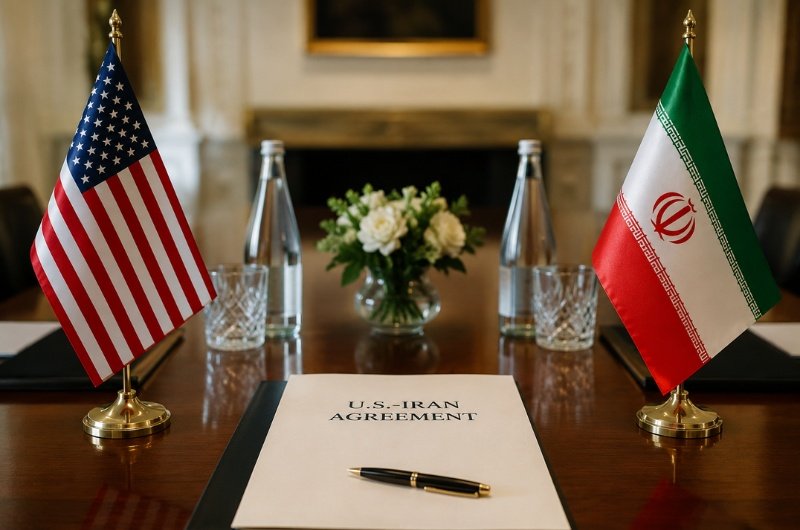
A proposed peace agreement between the United States and Iran is entering a critical phase as negotiators work through the details of a framework aimed at reducing tensions and preventing a broader regional conflict. The diplomatic effort follows weeks of heightened military activity and uncertainty across the Middle East, where concerns over security, energy supplies, and international trade routes have kept governments and financial markets on alert. While recent progress has fueled cautious optimism, the success of any agreement will depend on how its provisions are implemented in the weeks ahead. According to reports, the draft framework includes commitments designed to reduce the risk of further military escalation and create a pathway for continued dialogue between the two countries. However, several important issues remain unresolved, including verification measures, long-term security arrangements, and the timeline for carrying out key obligations. The negotiations also carry significant implications beyond the region. Any sustained easing of tensions could help stabilize global energy markets and reduce concerns about disruptions to shipping through the Strait of Hormuz, one of the world’s most important corridors for transporting oil and other goods. Financial markets have responded positively to signs of diplomatic progress, with investors viewing the prospect of greater regional stability as a welcome development after weeks of uncertainty. At the same time, observers caution that negotiations remain fluid and that unexpected setbacks could still emerge before a final agreement is reached. For now, the focus remains on whether both sides can translate diplomatic momentum into lasting commitments. The coming days are expected to provide a clearer picture of whether the proposed agreement can serve as the foundation for a more durable period of stability in the Middle East.
Investors Cheer Iran Peace Deal as Stocks Rise and Oil Prices Fall

Investors reacted enthusiastically Monday after President Donald Trump announced a peace agreement with Iran, sending major stock indexes higher and pushing oil prices lower as markets bet that reduced tensions in the Middle East could support economic growth and ease inflation pressures. The agreement, which includes plans to reopen the Strait of Hormuz, removes a major source of uncertainty that has weighed on global energy markets in recent months. The strategically important waterway serves as one of the world’s most critical routes for oil shipments, making stability in the region important to businesses, consumers, and investors around the world. As news of the agreement spread, investors moved back into stocks while oil prices declined, reflecting expectations that energy supplies could become more stable and less vulnerable to disruption. Markets generally favor certainty, and the prospect of a calmer Middle East was welcomed by traders looking for signs of reduced geopolitical risk. Lower energy costs can have a ripple effect throughout the economy. Fuel prices influence transportation expenses, shipping costs, manufacturing operations, and ultimately the prices consumers pay for goods and services. When energy prices move lower, inflation pressures often ease as well. For consumers, any meaningful decline in oil prices could eventually translate into lower gasoline prices and reduced costs across a range of products and services. While changes at the pump rarely happen overnight, markets are clearly signaling optimism that a more stable energy environment could benefit households and businesses alike. Investors are also watching for broader economic effects. Reduced geopolitical tensions can encourage business investment, strengthen consumer confidence, and create a more favorable environment for economic growth. The stock market’s positive reaction suggests many investors believe the agreement could help remove one of the major uncertainties facing the global economy. While many details of the agreement are still emerging, economists and market analysts will be closely monitoring energy prices, inflation data, and market performance in the weeks ahead. The long-term impact will depend on how successfully the agreement is implemented and whether stability in the region holds. The Readovia Lens Investors are often quick to look beyond the headline and focus on what comes next. In this case, markets appear to be betting that a more stable Middle East could lead to lower energy costs, easing inflation pressures and creating a friendlier environment for economic growth. While the long-term success of the agreement remains to be seen, Wall Street’s initial reaction suggests investors view the development as a meaningful step toward greater global stability. For consumers, that could eventually translate into benefits that extend well beyond the stock market.
SpaceX Goes Public in Record-Breaking Debut, Opening a New Era for the Space Economy
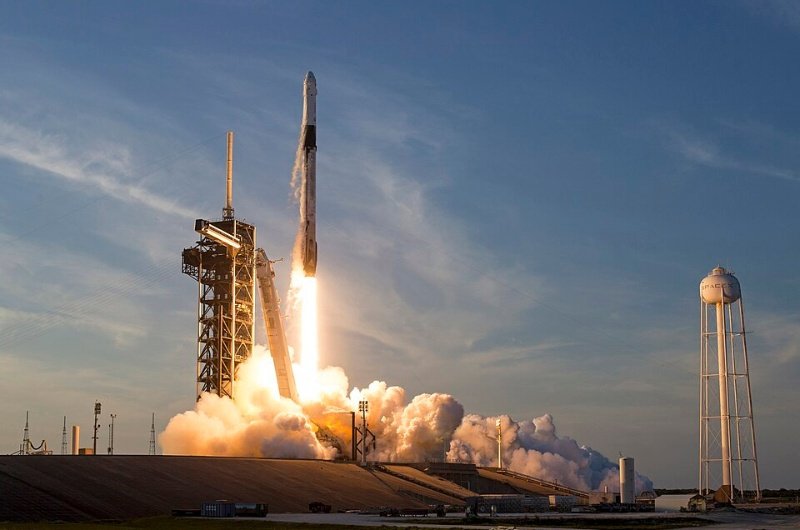
For years, SpaceX was one of the world’s most valuable private companies. On Friday, that changed as the aerospace and communications giant began trading on Nasdaq under the ticker symbol SPCX after completing the largest initial public offering in market history. The IPO priced at $135 per share, raised approximately $75 billion, and valued the company at roughly $1.77 trillion, instantly placing it among the most valuable publicly traded companies in the United States. Founded by Elon Musk in 2002, SpaceX transformed the commercial space industry through reusable rockets and a growing portfolio of launch services. Over the past two decades, the company has become synonymous with innovation, helping reshape how governments, businesses, and consumers think about access to space. Investor interest in the offering was exceptionally strong, reflecting enthusiasm for a company that now sits at the intersection of space, communications, artificial intelligence, and global connectivity. Many Americans still think of SpaceX primarily as a rocket company. While reusable rockets remain at the heart of its business, the company has steadily expanded into several other industries over the past decade. Today, SpaceX operates across multiple sectors, including commercial space launches, satellite internet, government and defense contracts, communications infrastructure, and advanced technology initiatives tied to the future of global connectivity. One of the company’s most important businesses may be one that many consumers already recognize: Starlink. The satellite internet service has become a major driver of SpaceX’s growth and is increasingly viewed as one of the key reasons investors are paying such close attention to the company. The satellite internet service has grown rapidly by providing broadband access to rural communities, travelers, businesses, and remote locations around the world. Starlink has also been used to restore connectivity during natural disasters and emergencies, highlighting the growing importance of satellite-based communications. For many investors, Starlink represents something especially valuable: recurring subscription revenue. Unlike rocket launches, which occur periodically, internet customers generate ongoing monthly revenue, helping diversify SpaceX’s business model and reduce its dependence on launch activity alone. The result is a company that increasingly resembles a broad technology and infrastructure platform rather than a traditional aerospace firm. That evolution helps explain why investors have been willing to assign such a massive valuation to the company as it enters public markets. Beyond rockets, SpaceX now sits at the center of several powerful trends shaping the modern economy, including communications networks, satellite technology, advanced manufacturing, artificial intelligence infrastructure, and global connectivity. The company’s public debut also represents a milestone for the broader commercial space industry. What was once considered a niche sector has evolved into a growing market attracting interest from governments, businesses, and investors around the world. Whether SpaceX can ultimately justify its enormous valuation remains a subject of debate on Wall Street. Even so, Friday’s debut marks an historic moment for both investors and the space economy, opening a new chapter for a company that spent nearly a quarter-century operating outside public markets. For many investors, the IPO is about more than a single stock. It is a bet on a future where space, communications, artificial intelligence, and global connectivity become increasingly intertwined — and where SpaceX hopes to play a leading role in all of them.
Anthropic Puts $200 Million Behind Research on AI and the Future of Work

Anthropic, the company behind the Claude AI assistant, has announced a $200 million initiative to study how artificial intelligence could reshape jobs, wages, and the broader economy as AI adoption accelerates across industries. The investment will support research into labor markets, workforce transitions, and the long-term economic effects of increasingly capable AI systems. Researchers, economists, policymakers, and nonprofit organizations are expected to participate in the effort. Advertisement The announcement arrives as businesses continue experimenting with AI tools that can write content, analyze data, generate software code, conduct research, and perform a growing number of workplace tasks. While many organizations view AI as a productivity booster, concerns remain about how rapidly advancing systems could affect employment across both blue-collar and white-collar professions. What makes Anthropic’s announcement notable is that it comes from one of the companies helping drive the AI revolution itself. Rather than focusing solely on technological progress, the company is also investing in understanding the economic and social changes that may accompany it. For much of the past two years, the AI conversation has centered on capabilities — what the technology can create, automate, or improve. Increasingly, attention is shifting toward the people affected by those changes. Some analysts believe AI will unlock new industries, increase productivity, and create jobs that do not yet exist. Others warn that certain administrative, customer-service, and knowledge-based roles could face significant disruption as AI systems become more sophisticated. Anthropic’s investment reflects a growing recognition that the future of artificial intelligence will be measured not only by technological breakthroughs, but also by how successfully workers, businesses, and governments adapt to the changes those breakthroughs may bring. The workplace transformation many experts once discussed as a future possibility is already beginning to take shape. As AI capabilities continue to expand, understanding their impact on careers, wages, and economic opportunity may become one of the most important challenges of the decade.
Investigation Continues After U.S. Diplomat Found Dead in Myanmar
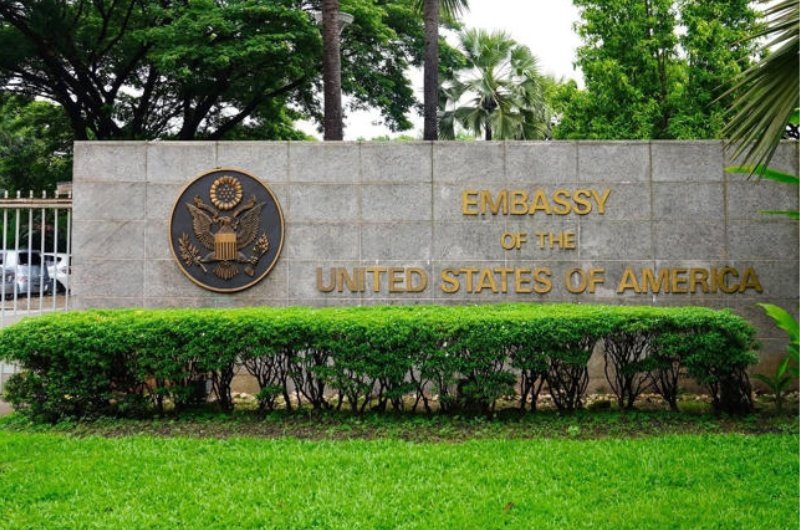
Authorities in Myanmar are continuing to investigate the death of a U.S. diplomat after a Thai national was charged in connection with the case, drawing international attention to an incident that remains surrounded by unanswered questions. The American diplomat was found dead on May 11 at a hotel in Yangon, Myanmar. Local authorities have since filed charges against a Thai national as investigators continue to examine the circumstances surrounding the case. The case has attracted interest both because of the victim’s diplomatic role and because many aspects of the investigation have not yet been made public. Officials have not disclosed a full account of what occurred, and authorities continue to examine evidence as the case moves forward. The diplomat was assigned to the U.S. Embassy in Yangon, Myanmar’s largest city and former capital. The embassy has acknowledged the diplomat’s death and has said it is cooperating with local authorities while respecting the ongoing investigation. Myanmar has remained a focus of international diplomatic attention in recent years following political unrest and continuing instability within the country. While there is currently no indication that the diplomat’s death was connected to official duties or broader political developments, investigators have not publicly ruled on a final motive or sequence of events. The filing of criminal charges marks a significant development in the case, but many details remain unclear. Authorities have not released extensive information about the relationship between the suspect and the victim, nor have they provided a complete timeline of the events leading up to the diplomat’s death. For now, investigators appear focused on determining exactly what happened while diplomatic officials from multiple countries continue to monitor developments closely. As the case proceeds through Myanmar’s legal system, additional information may emerge that helps clarify the circumstances surrounding the death of the American diplomat and the charges that have now been filed.