


Trump Delays Signing of Bipartisan Housing Bill Amid Election Bill Standoff
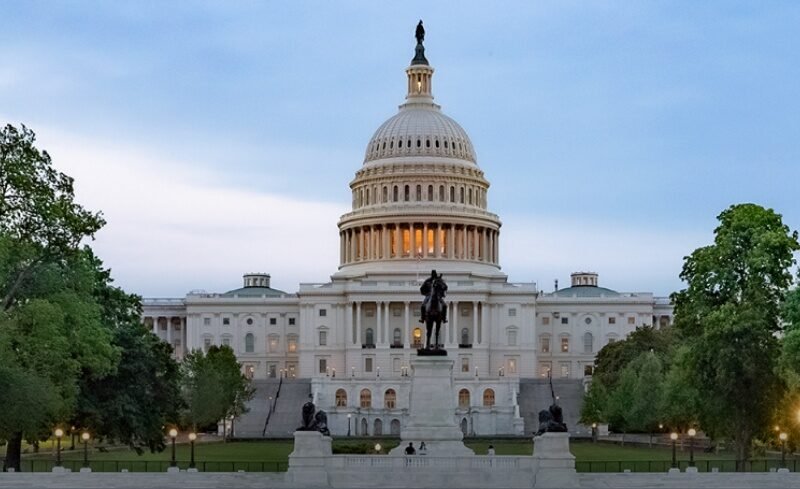
A bipartisan housing bill that cleared Congress with overwhelming support is facing an unexpected delay after President Trump postponed signing the legislation, saying he wants lawmakers to first approve separate election-related legislation. The measure, known as the 21st Century ROAD to Housing Act, passed the Senate by an 85-5 vote before receiving broad bipartisan approval in the House. The legislation is designed to encourage the construction of more affordable homes, reduce regulatory barriers, and expand the nation’s housing supply at a time when affordability remains one of the biggest financial challenges facing American families. President Trump announced Wednesday that he would delay signing the bill until Congress passes the SAVE America Act, legislation that would require proof of U.S. citizenship for voter registration in federal elections. Although the decision has sparked debate in Washington, congressional leaders have indicated they still expect the housing measure to become law. Why Housing Remains a National Issue The legislation arrives as many Americans continue to struggle with high home prices, elevated mortgage rates, and a limited supply of available homes. Supporters say the bill could help encourage new residential construction by streamlining certain federal reviews, modernizing housing policies, and reducing barriers that have slowed development in many parts of the country. Housing experts caution that the legislation is unlikely to produce immediate relief, but many believe it represents one of the most significant bipartisan efforts to address housing affordability in years. What Happens Next? Under the U.S. Constitution, legislation can still become law if a president neither signs nor vetoes a bill within the required time period while Congress remains in session. Congressional leaders have suggested the current housing bill is still expected to move forward even as negotiations continue over unrelated legislation. For homebuyers, renters, builders, and investors, the larger issue remains unchanged: increasing the nation’s housing supply is widely viewed as an important step toward improving long-term affordability. As Washington debates the next steps, millions of Americans continue watching for signs that meaningful progress on housing costs may finally be within reach.
Could This Mission Change the Future of Satellites? NASA Is About to Find Out

NASA is preparing for a mission that could help reshape how spacecraft are managed in orbit, potentially extending the lives of valuable satellites instead of retiring them when their missions end. The agency has awarded a contract to aerospace company Katalyst Space Technologies to raise the orbit of NASA’s Neil Gehrels Swift Observatory, a space telescope that has spent more than two decades studying some of the universe’s most powerful events, including gamma-ray bursts, black holes, and neutron stars. The effort, known as Swift Boost, aims to demonstrate whether commercial spacecraft can successfully rendezvous with and reposition satellites already operating in orbit. If successful, the mission could provide a glimpse into a future where spacecraft are serviced, upgraded, or repositioned rather than replaced. NASA officials say Swift’s orbit has gradually declined as increased solar activity has expanded Earth’s upper atmosphere, creating additional drag on the spacecraft. While the observatory remains operational and continues to produce scientific data, the changing orbital conditions have prompted NASA to explore ways to extend its mission. To accomplish that goal, Katalyst Space has developed a spacecraft known as LINK, which is designed to locate Swift in orbit, rendezvous with the observatory, and raise it to a higher altitude. Preparations for the mission have already advanced significantly. According to NASA, a Northrop Grumman Stargazer aircraft recently departed NASA’s Wallops Flight Facility carrying a Pegasus XL launch vehicle integrated with the LINK spacecraft as teams move closer to launch. The mission represents more than an effort to support a single observatory. Aerospace experts view orbital servicing as one of the industry’s most promising emerging capabilities. A successful demonstration could help satellite operators extend mission lifespans, reduce costs, and make better use of spacecraft already deployed in orbit. For decades, most satellites have been designed with a limited operational lifespan. Once fuel runs low or orbital conditions change, many are retired even if their instruments remain functional. Missions such as Swift Boost seek to challenge that model by proving that spacecraft can receive a second life through on-orbit servicing. For NASA, the mission could preserve the scientific contributions of one of its most successful observatories. For the broader aerospace industry, it could provide an early look at a future where maintaining spacecraft becomes as important as launching them. The Readovia Lens The commercial space industry is increasingly moving beyond launches and satellite deployment into a new phase focused on servicing, maintenance, and sustainability in orbit. If Swift Boost succeeds, it could help demonstrate that satellites and space telescopes no longer need to be discarded simply because their original missions are nearing an end. Instead, they may become part of a new generation of spacecraft designed to be maintained, repositioned, and kept in service for years beyond their original expectations.
Supreme Court Nears Final Decisions in Cases Testing Presidential Power

The U.S. Supreme Court is entering one of the most closely watched periods of its current term as the justices prepare to release several remaining decisions that could shape the balance of power between the presidency, Congress, and federal agencies for years to come. With only a handful of major cases still awaiting rulings, attention has increasingly focused on disputes involving the scope of executive authority and the ability of presidents to direct or remove officials within the federal government. Several of the pending cases stem from legal challenges connected to actions taken by President Donald Trump’s administration. The cases touch on issues ranging from immigration policy and federal appointments to the independence of government agencies and the limits of presidential power. Legal analysts say the decisions could provide important guidance on how future administrations exercise authority across a wide range of policy areas. One of the most closely watched disputes involves questions surrounding birthright citizenship and the authority of lower federal courts to block presidential actions nationwide. Another centers on the ability of presidents to remove officials from certain independent agencies, a long-running constitutional debate that could have implications far beyond the current administration. Additional cases involve immigration programs and humanitarian protections, areas that have frequently generated legal challenges and national debate. The Supreme Court traditionally releases many of its most significant decisions near the end of its term, often drawing intense attention from lawmakers, legal experts, advocacy groups, and the public. Because the Court’s rulings establish binding legal precedent, their impact often extends well beyond the immediate parties involved in a case. For Americans, the outcomes could influence how future presidents implement policies, how federal agencies operate, and how courts review executive actions. While the justices have already issued hundreds of opinions during the current term, several of the most consequential cases remain unresolved. As decisions are released in the coming days, they are expected to generate significant discussion in Washington and across the country. The final rulings could help define the relationship between the executive branch and the judiciary at a time when questions surrounding presidential authority continue to play a central role in American politics.
Pentagon Requests Additional $80 Billion to Cover Iran Conflict Costs
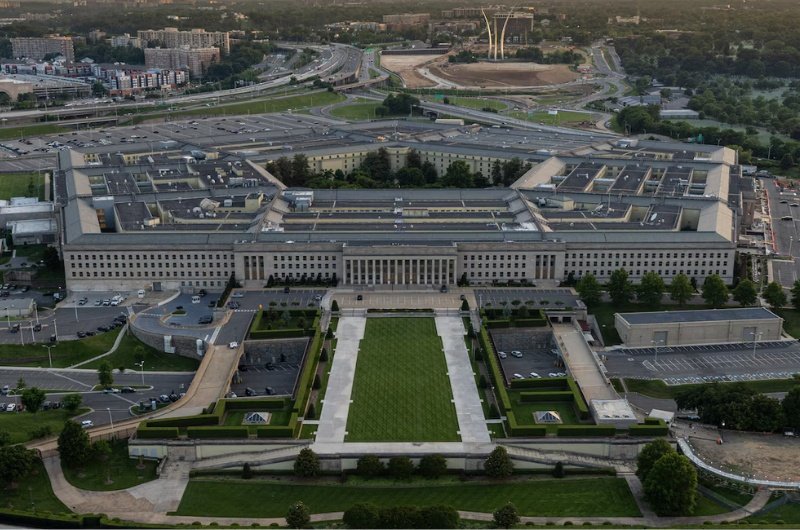
The Pentagon is seeking roughly $80 billion in additional funding from Congress to cover costs associated with the conflict involving Iran, adding another major spending request to an already expansive defense budget proposal. Defense officials have informed lawmakers that the funding would help pay for military operations tied to the Iran conflict, along with other defense-related expenses. The proposed funding package is expected to face close scrutiny on Capitol Hill. Lawmakers from both parties have raised questions about the overall cost of the conflict, how the additional funds would be allocated, and the impact on the federal budget. Some members of Congress have also called for greater transparency regarding future military spending plans. The Pentagon’s request would come on top of a broader defense spending proposal already under consideration. Defense officials argue that maintaining military readiness, replenishing equipment and munitions, and supporting ongoing operations remain essential national security priorities. The funding request arrives at a pivotal moment following the recent peace framework announced between the United States and Iran. While both sides have expressed support for continued negotiations, significant differences remain regarding long-term security arrangements and the future of Iran’s nuclear program. For now, lawmakers will be tasked with weighing the Pentagon’s request against competing priorities as Congress considers the next phase of federal spending negotiations. The Readovia Lens The proposed $80 billion request highlights the financial realities of modern military conflicts. Even as diplomatic efforts advance, governments often face substantial costs tied to military operations, equipment replacement, troop readiness, and long-term strategic commitments. The funding proposal serves as a reminder that military operations can carry financial consequences long after the immediate crisis has passed.
AI Stock Sell-Off Sends Shockwaves Through Markets as Investors Reassess Spending Boom

Artificial intelligence-related stocks fell sharply Tuesday, as investors took profits following a powerful rally that has driven many technology companies to record highs over the past year. The sell-off affected a range of companies tied to the AI boom, including chipmakers, data center operators, and technology firms that have benefited from growing demand for artificial intelligence infrastructure. The decline also weighed on broader market indexes as investors moved money out of some of the market’s biggest winners. While concerns about valuations and future spending levels contributed to the pullback, many analysts pointed to profit-taking as a major factor behind the decline. After months of strong gains, some investors appeared eager to lock in profits while reassessing the pace of future growth. Advertisement The recent AI boom has fueled massive investments in data centers, advanced semiconductors, cloud computing infrastructure, and energy resources needed to support increasingly sophisticated artificial intelligence systems. Those investments have helped drive significant gains across the technology sector, but they have also raised questions about costs and how quickly companies will generate returns on those expenditures. Despite the market decline, many analysts continue to view artificial intelligence as one of the most important long-term technology trends. Supporters argue that demand for AI infrastructure remains strong and that periodic market pullbacks are a normal part of any sustained rally. For investors, the latest downturn serves as a reminder that even the market’s strongest sectors can experience periods of volatility as traders adjust expectations and take profits after significant gains. The Readovia Lens Market pullbacks often attract attention, especially after periods of rapid growth. While AI-related stocks faced selling pressure this week, a broader view suggests the pullback may have more to do with investors taking profits after a remarkable rally than with any fundamental shift in the long-term outlook for artificial intelligence. Long-term trends are rarely defined by a single trading session. Even so, the sell-off highlights how quickly market sentiment can shift when expectations and valuations rise faster than investors are willing to support.
U.S., Iran Enter Next Phase of Peace Agreement With Technical Talks Underway
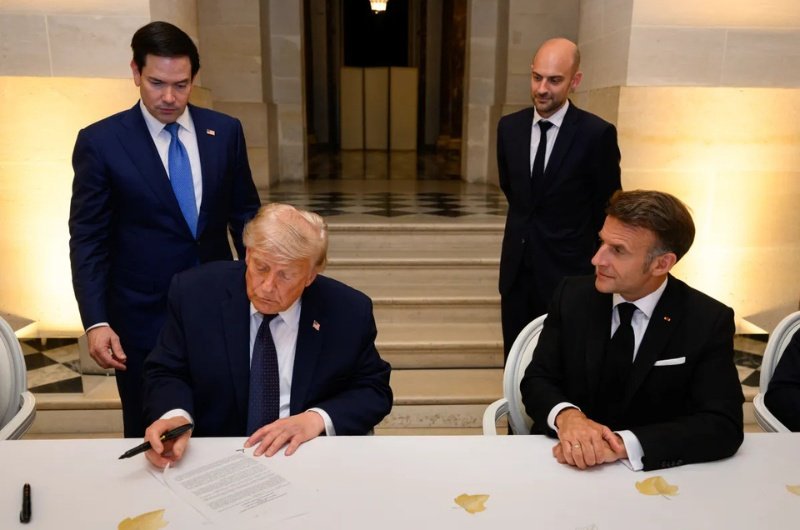
The United States and Iran have entered a new phase of diplomacy following last week’s interim peace agreement, with negotiators launching technical discussions aimed at turning broad commitments into a more detailed and lasting framework. Officials involved in the talks described the latest round of negotiations as encouraging, saying both sides have agreed to continue working toward a roadmap for a broader agreement while addressing key implementation issues. Mediators also indicated that technical teams will remain engaged as discussions continue in the coming days. The latest developments follow an interim accord announced after months of heightened tensions in the Middle East. While the agreement marked a significant diplomatic breakthrough, many of the most complex issues—including long-term security arrangements and other outstanding policy matters—remain under negotiation. According to reports, the parties have established a framework for continued talks and are pursuing a timetable intended to advance discussions over the weeks ahead. The negotiations are also expected to include mechanisms designed to reduce the risk of renewed regional instability and support the safe movement of commercial shipping through the strategically important Strait of Hormuz. Financial markets have responded positively to signs of diplomatic progress. Oil prices eased as concerns over potential supply disruptions diminished, reflecting investor optimism that continued negotiations could reduce geopolitical risks in one of the world’s most important energy corridors. The White House has characterized the agreement as a major foreign policy achievement, while international observers have emphasized that the success of the initiative will ultimately depend on sustained cooperation and the ability of both sides to translate preliminary commitments into a durable long-term settlement. For now, the focus has shifted from announcing the agreement to implementing it. As technical talks move forward, diplomats will be working to resolve remaining differences and determine whether the current momentum can produce a more comprehensive and lasting peace.
Could Your Next Cell Signal Come From Space? New Satellites Bring That Future Closer

Dropped calls in remote areas and dead zones far from the nearest cell tower could one day become much less common. A new generation of satellites is bringing that possibility closer to reality, as companies race to build networks capable of connecting directly with everyday smartphones. Instead of relying entirely on ground-based towers, the technology aims to beam cellular service from low Earth orbit, extending coverage to places where traditional infrastructure is limited or unavailable. One of the companies leading that effort is AST SpaceMobile, which is developing a constellation of satellites designed to provide broadband connectivity directly to standard mobile phones. Unlike many satellite communication systems that require specialized equipment, AST SpaceMobile’s vision is to work with devices people already carry in their pockets. Advertisement The latest milestone came with the successful deployment of additional BlueBird satellites, launched aboard a SpaceX Falcon 9 rocket. Each new satellite expands the company’s growing network and moves the project one step closer to offering broader direct-to-cell coverage. The potential applications extend well beyond convenience. Satellite-based cellular service could help people stay connected in rural communities, national parks, offshore locations, and disaster zones where ground infrastructure has been damaged or simply doesn’t exist. Emergency responders, travelers, and businesses operating in remote regions could all benefit from more reliable communications. For consumers, the biggest appeal may be simplicity. The long-term goal is to allow compatible smartphones to connect without bulky satellite accessories or dedicated terminals, making space-based connectivity feel much like using a traditional mobile network. The technology is still evolving, and widespread service will depend on additional satellite deployments, regulatory approvals, and partnerships with mobile carriers. Even so, recent progress suggests the idea of receiving a cell signal directly from space is moving from science fiction toward everyday reality. As more satellites enter orbit and companies continue to invest in next-generation communications, the line between terrestrial and space-based networks may become increasingly difficult to see. The next time your phone searches for a signal, it might not just be looking for the nearest tower—it could be reaching toward the sky.
Billions in New U.S. Investments Target Aerospace, Technology, and Manufacturing

A wave of newly announced investment commitments is directing billions of dollars toward aerospace, technology, manufacturing, and infrastructure projects in the United States. Leading the way is JetZero, which announced plans to invest $4.7 billion in next-generation aircraft development and production. The project is expected to expand manufacturing capabilities and support future innovation in the aerospace industry. Advertisement Several other companies also unveiled new investments. Lunar Resources Inc. plans to commit $85 million to space-based technologies, while Nokia announced a $30 million investment in U.S. network infrastructure. Vulcaflex and Rideout Arsenal also revealed projects aimed at strengthening manufacturing and defense-related operations. Together, the announcements represent nearly $4.9 billion in planned investment across industries that are helping shape the future of the American economy. From aerospace and communications to advanced manufacturing and space technology, companies continue to expand in sectors expected to drive growth in the years ahead. Although many of the projects are still in the early stages, they could create jobs, increase production capacity, and encourage additional investment in the communities where they are built. For businesses and investors, the announcements are another sign that long-term confidence remains strong in industries focused on innovation, infrastructure, and next-generation technology.
Juneteenth 2026: Nation Celebrates Freedom as Obama Presidential Center Opens in Chicago

Communities across the United States are marking Juneteenth today with parades, educational programs, cultural events, and moments of reflection honoring the end of slavery in America and the continuing pursuit of freedom and opportunity. The federal holiday commemorates June 19, 1865, when Union troops arrived in Galveston, Texas, and informed enslaved people that they had been freed—more than two years after the Emancipation Proclamation was issued. Since becoming a federal holiday in 2021, Juneteenth has grown into a nationwide observance recognizing both history and progress. This year’s celebration also coincides with the public opening of the Obama Presidential Center on Chicago’s South Side. The new campus, dedicated to the legacy of former President Barack Obama and former First Lady Michelle Obama, includes a museum, educational spaces, public gathering areas, and exhibits designed to encourage civic engagement and community involvement. The opening on Juneteenth adds symbolic significance to a day centered on freedom, history, and the ongoing American story. Across the country, local governments, museums, churches, and nonprofit organizations are hosting events that celebrate African American history and culture while encouraging conversations about the nation’s past and future. Many Americans also use the day to volunteer, support local businesses, and spend time with family and their communities. As flags fly and celebrations unfold from coast to coast, Juneteenth serves as both a commemoration of a pivotal chapter in U.S. history and a reminder of the enduring importance of liberty, resilience, and hope.
U.S.-Iran Peace Talks Postponed as Markets Watch for Next Diplomatic Move
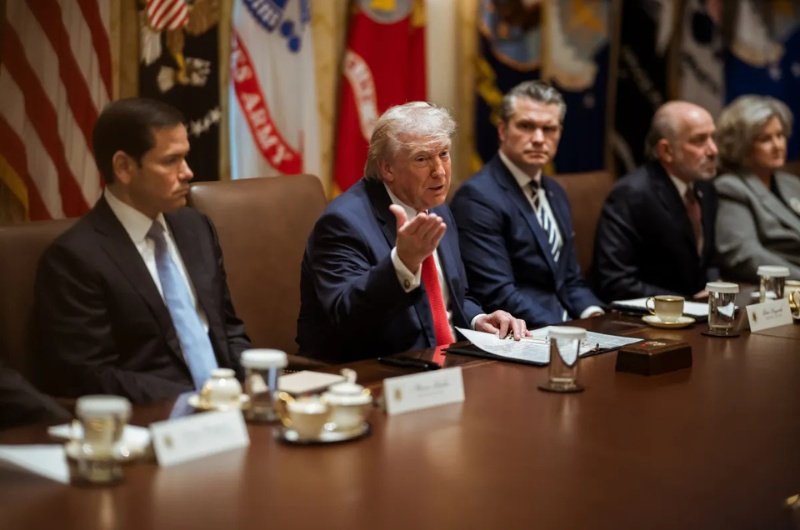
Efforts to build on this week’s U.S.-Iran peace agreement encountered an unexpected hurdle Friday after planned technical talks in Switzerland were postponed, creating uncertainty about the path toward a longer-term settlement. The discussions were expected to begin the next phase of negotiations following the recently announced memorandum aimed at reducing tensions and establishing a more durable framework for peace. Swiss officials confirmed that the meeting would not take place as scheduled, although they indicated they remain ready to facilitate future talks. The postponement comes after changes to travel plans by senior U.S. officials and questions surrounding the timing of the Iranian delegation’s participation. While neither side has suggested that diplomacy has ended, the delay highlights the complexity of turning a broad agreement into a detailed and lasting peace agreement. Despite the setback, recent progress has helped stabilize one of the world’s most strategically important regions. Commercial shipping has resumed through the Strait of Hormuz, easing concerns about disruptions to global energy supplies and international trade. Financial markets are now watching closely for signs that negotiations will resume. Even modest delays in diplomatic efforts can influence investor sentiment, particularly when they involve a region that plays a central role in global oil production and shipping. For now, officials from both countries continue to signal interest in pursuing negotiations, leaving open the possibility that technical discussions could be rescheduled in the coming days. The Readovia Lens Diplomacy is rarely a straight line. While Friday’s postponement introduces uncertainty, the broader framework for continued negotiations remains in place. The focus remains on whether both sides can return to the negotiating table and build on recent progress toward a more stable and peaceful future.