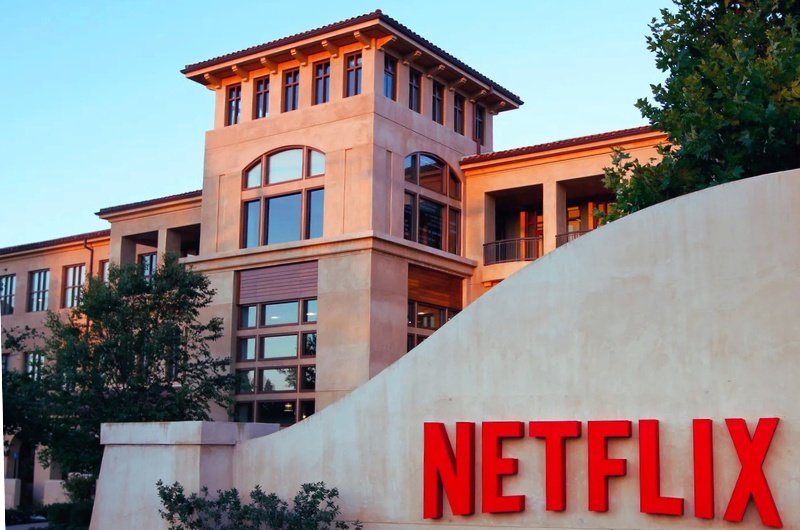
Netflix announced this morning that it will acquire Warner Bros. Discovery’s studio and streaming divisions — including HBO, Warner Bros. Pictures, DC Studios, and one of the richest back-catalog libraries in the world — in a deal valued at roughly $72 billion in equity and more than $82 billion in total enterprise value.”
The transaction, still subject to regulatory approval, would give Netflix control of nearly a century of blockbuster franchises and put unprecedented pressure on traditional movie studios and cable networks already fighting to stay relevant.
Under the plan, Warner Bros. Discovery will split itself in two: its cable networks such as CNN, TNT, and TBS will be spun off into a separate company, while the storied Warner Bros.–HBO content engine will go to Netflix. WBD shareholders will reportedly receive just under $28 per share in cash and stock, a premium over rival bids from Paramount and Comcast. For Netflix, which outbid both competitors with a cash-heavy offer, the acquisition represents something Hollywood insiders have long speculated about — the moment Netflix stops competing with legacy studios and starts becoming one.
For consumers, this consolidation could change the entertainment landscape almost overnight. With HBO’s premium catalog and Warner Bros.’ global production machine folded into its platform, Netflix would gain total control of content pipelines stretching from theatrical releases to streaming premieres. The company has signaled it intends to preserve major theatrical runs for flagship films, but the long-term future of cinemas becomes far less certain when the industry’s most influential distributor also owns one of its most powerful studios. If the old model of theaters, cable networks, and weekend TV premieres wasn’t already fading, this deal pushes it firmly into yesterday.
The move also underscores a broader, irreversible shift: the era of “Hollywood as we knew it” is ending. Streaming is no longer a lane in entertainment — it is the highway. Traditional TV has been declining for years, and studios that once relied on cable revenue are facing a world where viewers expect everything on-demand. The Amazon–MGM merger signaled the start of this transition, but Netflix–WBD marks a tipping point. The companies that own the content libraries will not just participate in the future of entertainment; they will define it.
Regulators, filmmakers, and independent producers are already voicing concerns. A group of prominent film producers has urged Congress to apply the highest level of antitrust scrutiny, warning that a single distributor controlling so much of the market could limit creative diversity and reduce opportunities for mid-budget and independent films. Still, if the deal proceeds, Netflix will emerge as the first true global entertainment superpower — part studio, part streamer, part cultural gatekeeper. And for better or worse, the industry will reorganize around whatever Netflix becomes next.