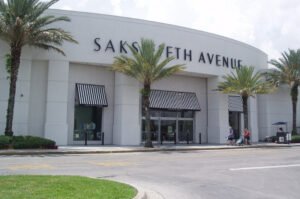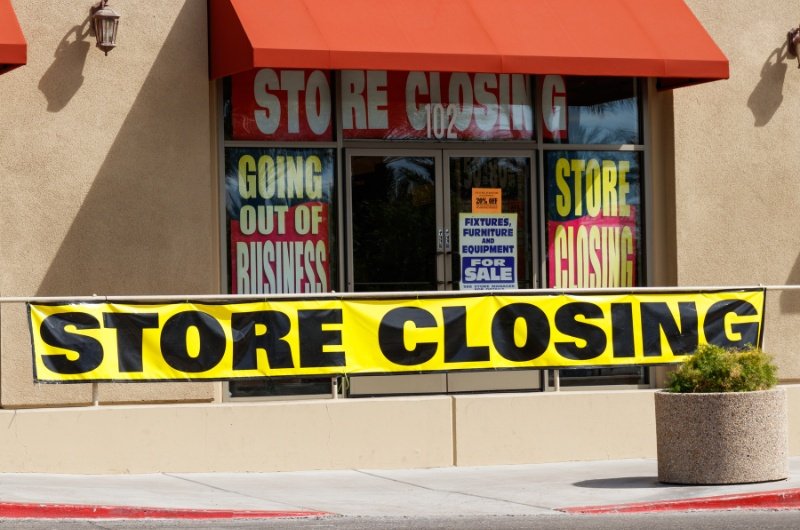
Across the United States, a wave of store and restaurant closures is shaping the early retail landscape of 2026, underscoring enduring changes in consumer habits, economic pressures and corporate strategies. In recent months, a growing number of well-known chains have announced plans to shutter locations, restructure operations or pivot away from traditional brick-and-mortar footprints in favor of digital and experience-driven models.
Industry tracking shows that hundreds of stores and restaurants are slated to close their doors this year as companies seek to improve profitability and respond to declining foot traffic. The closures span a wide range of sectors, from clothing and department stores to pharmacies and eateries, reflecting broader shifts in how Americans shop and dine.
Some major grocery and drugstore chains have confirmed plans to reduce underperforming locations, a move aligned with long-term efforts to streamline operations and focus resources on stronger markets. Meanwhile, fast-casual and sit-down restaurant brands are also adjusting their portfolios in response to rising costs and changes in consumer spending patterns.
Experts say the trend is driven by a confluence of economic forces: continued expansion of e-commerce, tightening consumer budgets, and the increasing importance of omnichannel retail strategies that blend online and physical experiences. For many retailers, this moment is less about retreat and more about rebalancing where and how they connect with customers.
As 2026 unfolds, the closures highlight a fundamental transition in the U.S. retail and service sectors. Companies that adapt — by rethinking store formats, enhancing digital offerings or curating unique in-person experiences — are more likely to navigate this period of realignment successfully.
Readovia will continue tracking this evolving retail landscape as more companies outline their plans for 2026.
——————–
Related: