


Zelenskyy and Trump Signal Openness to Putin Talks After Alaska Summit

The Alaska summit wasn’t just about Donald Trump and Vladimir Putin. In a separate meeting, Trump also sat down with Ukrainian President Volodymyr Zelenskyy—an encounter that added new intrigue to an otherwise inconclusive round of diplomacy. Putin left Alaska without budging on a ceasefire. But Zelenskyy, careful with his words, signaled that he remains open to expanded discussions that could eventually bring all three leaders to the table. For Ukraine, battered and weary after more than three years of war, even a hint of trilateral talks is a lifeline worth entertaining. For Trump, the optics are powerful. One meeting with Putin, another with Zelenskyy—and suddenly he looks less like a former president and more like a self-styled dealmaker still capable of commanding global attention. For Zelenskyy, the calculus is pragmatic: keep Washington engaged, keep options alive, and keep Ukraine’s fight from slipping off the world’s radar. The Alaska sessions didn’t deliver a breakthrough—but they reshaped the narrative. Trump positioned himself as the hinge between Kyiv and Moscow, while Zelenskyy cracked open the door to talks that could one day decide the war’s fate. The Author
Trump Seizes Control of D.C. Police, Deploys National Guard in Sweeping Security Move
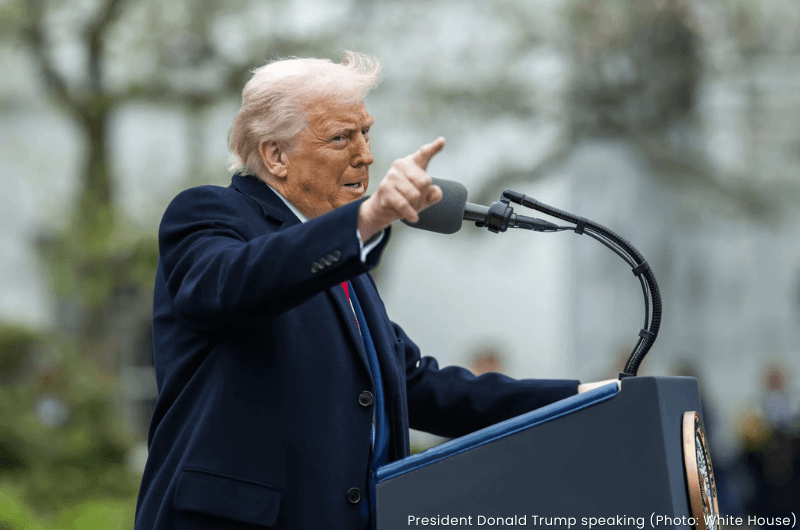
In a stunning escalation of federal authority, President Donald Trump has declared a public safety emergency in the nation’s capital, temporarily taking command of the Metropolitan Police Department and activating the D.C. National Guard. The move, which Trump says is aimed at restoring order, has placed hundreds of troops and federal agents on the city’s streets. A Federal Show of Force Roughly 800 National Guard members began deploying across Washington on Tuesday, many taking up posts near major landmarks and high-traffic areas. They are joined by an estimated 850 federal law enforcement officers from agencies including the FBI, DEA, ATF, and U.S. Marshals Service. The combined forces are carrying out arrests, seizing firearms, and increasing patrols in targeted neighborhoods. Trump’s Narrative vs. City Crime Data From the White House, Trump portrayed D.C. as being “out of control,” citing rising crime, homelessness, and a failure of local leadership. His actions echo a promise he made months earlier, on January 19, 2025: “We will rebuild our once-great cities, including our capital in Washington, D.C., making them safe, clean, and beautiful again — and we want to make this city again safe. We don’t want people coming to Washington and getting mugged, shot, killed. We’re going to stop it. Law enforcement — and they have very good police here, but they have to be allowed to do their job. We’re going to stop it. We’re going to beautify it. We’re going to make it the most beautiful capital in the world.” But official statistics tell a different story: violent crime in the District has dropped sharply in the past year and remains near three-decade lows. City officials accuse the president of manufacturing a crisis for political gain. Pushback from Local Leaders Mayor Muriel Bowser called the intervention “unsettling and unprecedented,” warning that it undermines the city’s home-rule authority. Critics argue that while D.C.’s unique legal status allows a president to take such steps, similar actions in other cities would face major constitutional challenges. What Comes Next Under current law, Trump can maintain federal control over the Metropolitan Police for up to 30 days without congressional approval. Whether the deployment will be extended — and whether the president will attempt similar moves in other Democratic-led cities — is now a central question in the unfolding political and legal battle. The Author
Trump Weighs Inviting Putin to Peace Talks—Without Zelenskyy In the Room

President Trump is eyeing a face-to-face summit with President Putin as early as next week, signaling bold diplomacy—or another strategic misstep. Here’s the lay of the land: What’s Happening? Trump says he’ll meet with Putin even if Ukraine’s President Zelenskyy isn’t at the table. The summit is being prepped following talks between Putin and Trump’s envoy, Steve Witkoff, though details on timing and venue remain vague. Between the Lines — The Readovia Cut Insight Why It’s Bigger Than a Photo Op Zelenskyy in or out? Excluding Ukraine could sideline the central conflict and alienate allies. Strategic brinksmanship Trump’s willingness to meet on his terms could undermine U.S. credibility—and embolden Putin. Credibility stakes Diplomacy without preparation is a gamble. Critics say Russia may gain more than Trump. Bottom Line Trump’s summit pitch may sound bold, but making peace on his own timeline—without inclusive talks—is risky diplomacy, not victory. No outcome looks secure yet—but it’s sure to make headlines. The Author
Trump Forms White House Task Force to Supercharge 2028 Olympics Prep
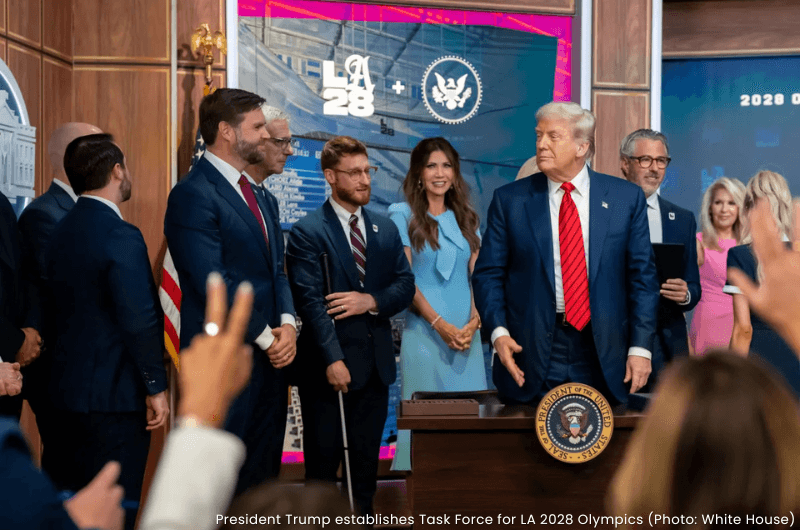
President Trump has signed an executive order to establish a formal White House Task Force to ensure America is Olympics-ready for the 2028 Summer Games in Los Angeles. Trump plans to chair the Task Force himself, with VP J.D. Vance serving as vice chair, while a designated executive director will handle day-to-day operations. According to the official White House fact sheet on the new task force: The 2028 Summer Olympics are expected to generate $18 billion in national economic activity, Support approximately 90,000 full-time equivalent jobs, Provide about $6 billion in labor income, and Contribute around $700 million in state and local tax revenue What It Means The above numbers reflect the tangible economic impact and help reinforce the strategic importance of the task force. Bottom Line This isn’t about gymnasts and gold medals—at least not yet. It’s an economic engine, a global soft power flex, and a savvy political showpiece rolled into one. And yes, it comes with stadium-sized photo ops. The Author
The U.S. Gives Russia Only 10 to 12 Days to Stop the War—or Else

Trump swapped his 50‑day grace period for a sharp, new deadline—Russia now has just 10 to 12 days to accept a ceasefire with Ukraine or face sweeping economic punishment. What Trump Said (and Why It’s a Big Deal) While visiting Scotland, President Trump doubled down on his earlier threats, saying “there’s no reason in waiting.” He gave Vladimir Putin a narrow window to agree to peace—or stock up against full-scale secondary sanctions and export tariffs. This tightening timeline sharply escalates U.S. leverage in the conflict. Ukraine Loves It; Russia Just Shrugs President Zelenskyy applauded the move, calling it a “clear stance” and commending Trump for acting “precisely in time” while urging global collaboration. Meanwhile, the Kremlin issued a low-key response. Spokesman Dmitry Peskov “took note” of the deadline and reiterated that Russia’s “special military operation” will carry on, with peace negotiations only when they align with Russian interests. What’s Actually Happening on the Ground Russian missile strikes are continuing unabated. Recent attacks hit a prison in Zaporizhzhia—killing at least 27 inmates—and struck a maternity hospital near Kharkiv. Ukrainian officials labeled the strikes war crimes, even as Trump’s new ultimatum ramped up diplomatic pressure. Why This Ultimatum Matters Diplomacy meets the clock. Trump’s tighter deadline signals impatience with what he sees as protracted talks and attempts to force real progress. Economic pressure ramped up. Beyond just Russian sanctions, the U.S. is threatening tariffs on any country trading with Russia—especially oil imports. Testing international cohesion. European leaders like UK Prime Minister Starmer and French President Macron remain supportive of Ukraine, with Starmer helping build a broader “coalition of the willing” to enforce peace guarantees. Readovia Rundown: What to Take Home Theme Why It Matters Major shift in tone U.S. goes from diplomacy to direct ultimatum. Ukraine backs U.S. resolve Zelenskyy sees it as leverage for real ceasefire. Russia keeps fighting Kremlin avoids direct rejection but shows no concession. High stakes for allies Third countries face economic pressure if they’re seen enabling Russia. Bottom Line Trump’s timeline is a calculated escalation in the U.S. strategy toward Russia. With civilians still dying and global patience thin, Trump’s ticking clock adds real urgency—but whether it brings peace or pushes things toward escalation remains anyone’s guess. The Author
White House Unveils New AI Strategy with Executive Orders Ahead
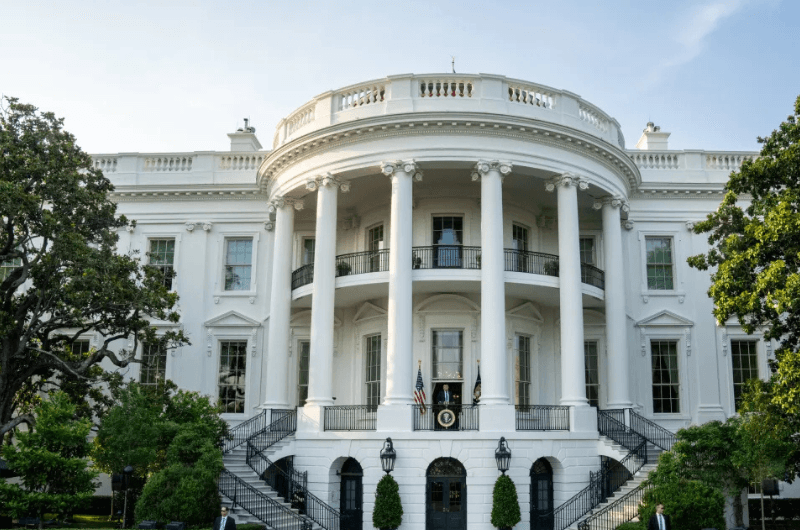
The White House has released a sweeping new AI action plan that outlines the federal government’s vision for artificial intelligence development, infrastructure, and national competitiveness. The 26-page strategy includes more than 90 policy actions designed to accelerate innovation while signaling a major shift in regulatory posture under President Trump. This federal AI playbook arrives amid intensifying global competition, with the administration pushing hard to position the U.S. as the clear leader in the next era of technological dominance. Executive Orders Coming Next According to senior officials, President Trump is preparing a series of executive orders that will accompany the strategy rollout. These directives are expected to ease federal permitting for AI-related construction projects, encourage private-sector partnerships, and establish new agency-wide benchmarks for deploying AI responsibly. “This is a statement of intent,” one administration insider said. “The White House is ready to build — data centers, talent pipelines, and public-private alliances — and to do it at speed.” What’s in the Plan? Key elements of the national AI strategy include: Streamlined permitting for AI infrastructure like chip fabs, cloud servers, and edge computing hubs. Expanded workforce development, including university partnerships and reskilling initiatives for federal employees. Federal AI ethics guidance focused on transparency, fairness, and human oversight. Interagency coordination across defense, health, energy, and intelligence sectors. Cybersecurity protocols to prepare for and defend against AI-powered threats. Responsible Acceleration The administration’s lead AI advisor, David Sacks, emphasized that the plan balances urgency with accountability. “This isn’t deregulation for its own sake,” he said. “It’s responsible acceleration.” Politics Meets Progress The plan is already drawing praise from some corners of the tech world — and criticism from watchdogs concerned about transparency and oversight. Supporters argue that the government has lagged behind private industry for too long and that this roadmap provides long-overdue direction. Critics question whether the strategy sufficiently addresses concerns around bias, surveillance, and concentration of power. One D.C.-based analyst noted, “This plan is about more than innovation — it’s about who controls the future of information, infrastructure, and intelligence.” What It Means for the 2025 Landscape As the 2025 campaign season ramps up, the strategy gives Trump a policy win to tout in both tech and economic circles. It also puts pressure on lawmakers, state officials, and federal agencies to get on board with an accelerated AI agenda — one that will require massive coordination and, potentially, public-private tensions. But one thing is certain: with this move, the U.S. government is no longer a spectator in the AI race. It’s building a launchpad. The Author
The Bromance. The Breakup. The Fallout: Inside the Trump–Musk Feud
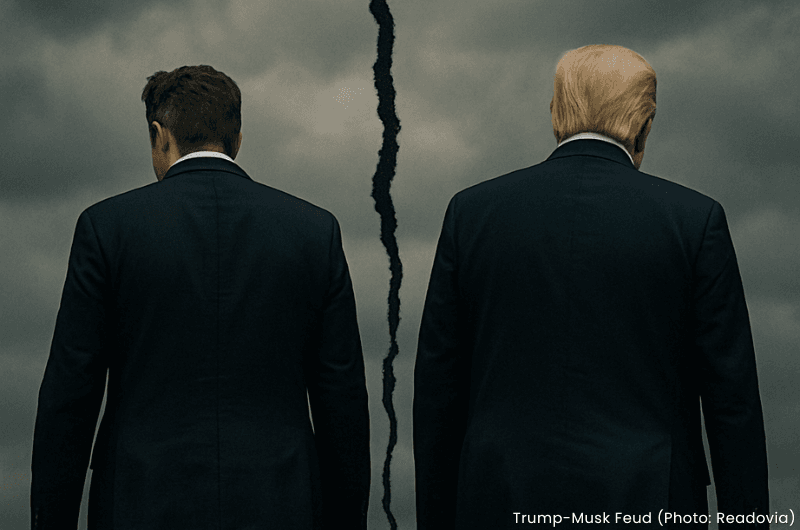
“Power rarely fractures quietly. What began as a headline-grabbing alliance between Elon Musk and Donald Trump has turned into a full-scale political rupture—with real consequences. This exclusive Readovia feature unpacks how two of the most powerful men in America went from partners to public enemies—and what it means for the future of the GOP.” – Ellis Grant, Staff WriterReadovia It started as a billionaire bromance. Now it’s a full-blown political divorce—with the future of the Republican Party hanging in the balance. Elon Musk changed his phone number. Speaker of the House Mike Johnson says no one in the Trump administration can reach him. And just weeks ago, Musk was co-leading a White House task force and publicly praising President Trump’s “visionary leadership.” Now? He’s calling Trump a fraud, threatening to gut Republican midterms with a new third party, and implying the president’s name appears in Jeffrey Epstein’s files. This isn’t just a falling out between two powerful men—it’s a rapidly escalating political rift that could split the Republican base in half ahead of the 2026 midterms. Welcome to America’s most dramatic breakup of the year. The Power Couple Phase The Trump-Musk relationship began with power and money. During Trump’s 2024 campaign, Musk quietly funneled over $277 million into conservative super PACs backing the Republican ticket. He also used his vast social media reach and behind-the-scenes lobbying to boost Trump’s narrative on everything from AI to anti-regulation. In January 2025, Musk took a formal role in the new administration, co-chairing the White House’s freshly formed Department of Government Efficiency—unironically abbreviated as DOGE. His mission? Slash spending, shake up legacy departments, and make good on Trump’s promise to “drain the swamp 2.0.” Trump called him “one of the smartest men alive.” The Big Blowup On June 5, everything changed. That morning, Musk went scorched-earth on the president’s much-hyped tax-and-spending plan—what Trump dubbed the “Big, Beautiful Bill.” Musk called it a “disgusting abomination,” slamming the budget for bloating the deficit and funneling funds to what he called “zombie departments.” Then he did what he does best: opened up the floodgates on X. “Should we start a new party? One that puts you in charge? Yes or no.”— Elon Musk, June 5, 10:47 AM The poll racked up more than 1.2 million votes in 24 hours. Over 65% said yes. And then came the nuclear tweet: a vague but unmistakable suggestion that Trump’s name appears in sealed Epstein court documents. Musk didn’t elaborate—but he didn’t walk it back either. By the end of the day, Trump’s response was furious and immediate. He called Musk “off the rails,” accused him of betrayal, and suggested revoking federal subsidies for Tesla and SpaceX. Insiders say Musk’s companies could lose billions if contracts are pulled. Fallout in Real Time Since the initial blast, the feud has only escalated. Musk began calling Trump’s bill the “Big Ugly,” a deliberate taunt. Trump called Musk a “train wreck.” And in a final act of digital defiance, Musk changed his phone number—cutting off all direct contact with Trump, according to House Speaker Mike Johnson. Meanwhile, Musk officially launched what he’s now calling the “America Party”, pledging to fund a slate of anti-establishment candidates for 2026. He’s already hired staff and claims thousands have signed up to help. Why This Matters: Impact & Consequences This isn’t just another tech mogul tantrum. The stakes are real—and rising. Tesla & SpaceX on thin ice Consequences: Trump could revoke EV credits and federal contracts. Stock volatility has already begun. Republican unity fractured Consequences: America Party could siphon off 7–10% of GOP votes, tipping control of Congress. Third-party spoiler effect Consequences: Musk’s new “America Party” movement could energize younger, libertarian-leaning voters—but at a cost to existing party margins. Conspiracy optics Consequences: Musk’s Epstein allegation, whether substantiated or not, has fueled new MAGA infighting and media scrutiny The Author
Elon Musk Launches New Political Party, Tesla Shares Tank

Elon Musk has officially launched the America Party, positioning it as a centrist alternative to Republicans and Democrats. In a flurry of posts, Musk framed the new political movement as a way to “restore freedom,” pledging to back candidates in key House and Senate races during the 2026 midterms. The party’s early platform focuses on fiscal conservatism, AI-driven national defense, and what Musk calls a “pro-family, pro-future” agenda. The move sent shockwaves through financial markets. Tesla shares plunged nearly 8%, erasing an estimated $68 billion in value within days. Investors and analysts quickly voiced concern that Musk’s growing political ambitions are distracting him from Tesla’s core business at a critical time—especially with the company’s robotaxi rollout on the horizon and sales performance under pressure. Some financial institutions have already downgraded Tesla’s outlook, citing leadership uncertainty. One analyst warned that if Musk splits his focus between running a political operation and leading Tesla, the company’s ability to execute could falter. The reaction from Washington has been equally dramatic. Musk’s decision to launch his own political party reportedly stems from his disillusionment with former allies in the GOP—particularly after recent legislative developments. In response, Trump dismissed the party as “a train wreck waiting to happen.” Critics say Musk may underestimate the logistical and legal barriers to building a viable third party, especially in states with tough ballot access laws. But supporters argue that with Musk’s brand, influence, and billions in funding, even a limited America Party showing could shake up key races. The bigger question: can Elon Musk realistically run a car company, a space company, and now, a political party—without breaking something along the way? The Author
Senate Narrowly Passes Trump’s “One Big Beautiful Bill” — Trump Pushes for House Approval by the 4th
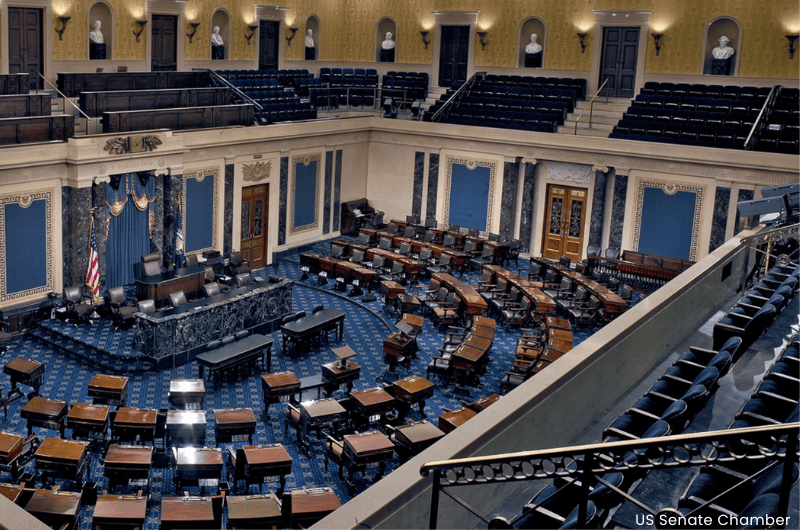
In a dramatic midnight session, the U.S. Senate narrowly passed President Donald Trump’s sweeping legislative package—dubbed the “One Big Beautiful Bill”—after weeks of internal division, fierce public debate, and mounting pressure from the White House. Vice President J.D. Vance cast the tie-breaking vote, pushing the bill through a 50–50 split in the Senate. It now heads to the House for a fast-tracked vote, with Trump reportedly urging GOP leadership to deliver final approval by July 4. The bill combines tax cuts, a $150 billion boost in military spending, major immigration crackdowns, and the elimination of federal funding for programs like Medicaid expansion, SNAP benefits, and Planned Parenthood. Supporters say the bill strengthens the economy and border security. Detractors call it a direct assault on the social safety net—and a potential trigger for long-term economic instability. A last-minute change saw the removal of a controversial provision that would have prevented individual states from regulating artificial intelligence. That reversal is being celebrated as a win for tech oversight advocates and state sovereignty. Despite the bill’s passage, deep fractures have formed within the GOP. Fiscal conservatives warned about the skyrocketing federal deficit, while populist hardliners praised the bill’s stance on immigration and its unapologetic re-centering of “America First” values. As the House prepares to vote, Democrats are expected to oppose the measure in full, while moderate Republicans remain on edge. Trump, meanwhile, has already declared victory online—calling the bill “a new American revolution.” The Author
The Price of Beautiful: What Trump’s Big Bill Could Really Mean for Everyday Americans
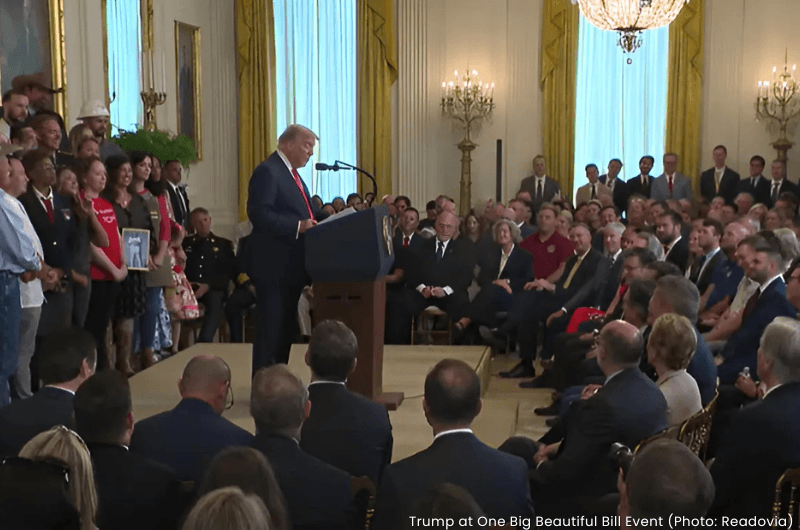
President Trump calls it the “One Big Beautiful Bill.” His administration says it’s the most pro-worker, pro-growth, and pro-America legislation in history. But for millions of Americans, especially those relying on public health care or food assistance, the beauty may come at a brutal cost. Proposed Work Requirements The bill proposes new work requirements for Medicaid and SNAP (food stamps), aimed at what Republicans call “able-bodied adults without dependents.” The White House frames this as common sense—“If you can work, you should”—but critics warn the reality isn’t so tidy. According to projections from the nonpartisan Congressional Budget Office (CBO), over 10.9 million people could lose Medicaid coverage under the new rules. Many of them are low-income workers juggling part-time jobs without benefits. Others are caregivers, people with undiagnosed disabilities, or those living in states without the infrastructure to verify employment quickly. And for some, losing coverage won’t just mean skipping a doctor’s visit—it could mean dying. The CBO estimates the bill could lead to over 51,000 avoidable deaths within a decade. “This isn’t fiscal policy—it’s a slow-motion public health crisis,” said Dr. Lila Fenwick, a rural hospital administrator in Georgia. “We’re already at the edge. These cuts could push us over.” A Gut Punch to Rural Health Care The bill touts protections for “rural hospitals,” but that’s cold comfort to health systems that rely on Medicaid reimbursements to stay afloat. Without them, many rural hospitals—especially in red states—face the risk of closure. For residents in these areas, that could mean driving hours for basic care. In emergencies, it could mean no care at all. “The same communities that cheered for Trump may be the ones hit hardest by this bill,” said policy analyst Tanya Ruiz. “It’s poetic, but not in a good way.” Food on the Line The bill’s new SNAP rules are likely to leave hundreds of thousands without access to food assistance. And while the White House says “jobs, not handouts” is the goal, employment doesn’t always guarantee food security—especially in low-wage sectors. For families living paycheck to paycheck, even a temporary loss of benefits could be catastrophic. And with no added funding for job training or placement services, critics say the bill sets people up to fail. A Tale of Two Narratives President Trump has taken to social media, calling the bill “a win for workers, a loss for waste, and a BEAUTIFUL day for America.” The White House insists the bill will increase take-home pay by $10,000 for the average worker, unleash $11 trillion in economic growth, and prevent the “largest tax hike in American history.” But none of those talking points erase the sobering truth: for millions of Americans, this bill isn’t about prosperity—it’s about survival. Why It Matters The debate over the One Big Beautiful Bill isn’t just about policy. It’s about priorities. Tax relief for some, hardship for others—and a country still reckoning with who gets left behind. As the Senate races to vote before the July 4th deadline, one thing is clear: this bill may be beautiful to some, but for others, it’s shaping up to be devastating. The Author